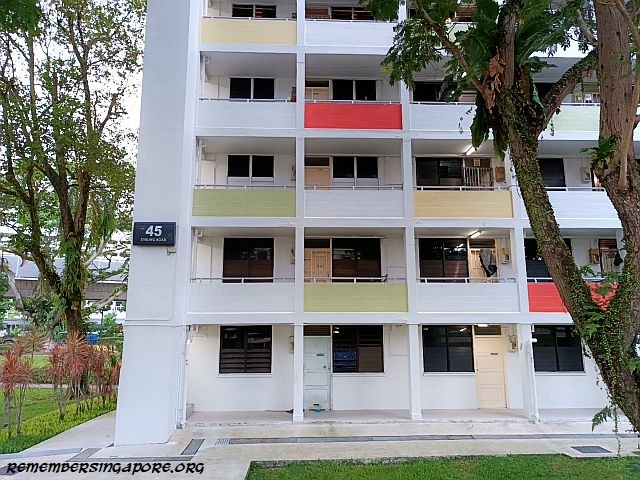
For the longtime residents at Stirling Road, more than six decades have passed in a blink of eye.
Prior to the fifties, this area was made up of swampland, plantations and burial ground. Then came development when the Singapore Improvement Trust (SIT) embarked on the construction of Queenstown estate, filling up the swamps and clearing the plantations. The former Cheang Hong Lim cemetery, bounded by Stirling Road, Anggora Close and Queensway, was acquired by the government in 1965 and cleared for more public housing.
The early SIT flats built in the fifties at Stirling Road, Margaret Drive and Redhill were of low quality. Cracks soon appeared on the walls and the main and bedroom doors were so flimsy that they could easily be forced open by burglars. This led to many complaints by the residents. A bigger issue, however, occurred in 1959 when Block 7 of Stirling Road tilted and slowly sank into the ground. At least two families were trapped by the jammed doors.
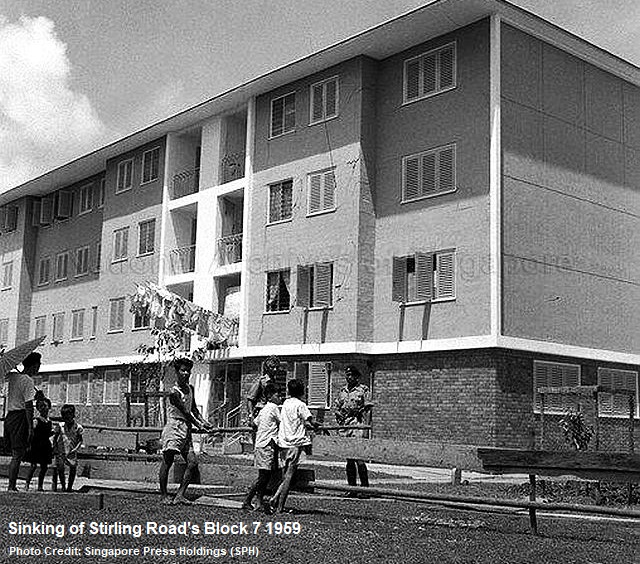
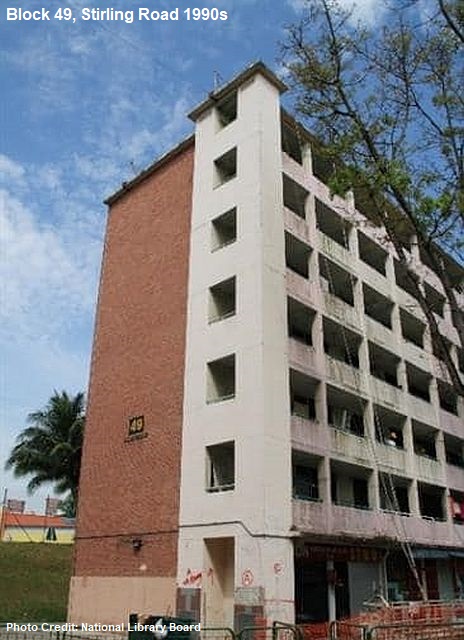
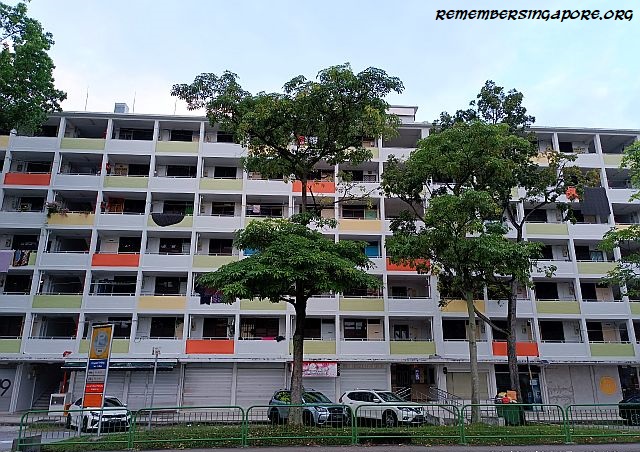
Stirling Road’s three blocks of 45, 48 and 49 were built by the SIT in the late fifties. They were unfinished when SIT was dissolved and replaced by the Housing and Development Board (HDB) on 1 February 1960.
As the successor to SIT, HDB took over and completed the three blocks in October 1960. The three blocks of flats became known as Singapore’s first HDB flats, although the title should instead belong to the Merpati Road flats, which were the first flats fully planned and built by the HDB.
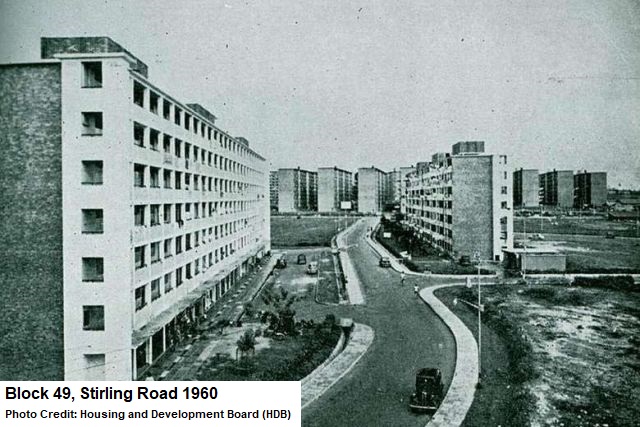
Block 45, 48 and 49 consist of one-room, two-room and three-room units. They were meant to serve as accommodation to the rehoused squatters and residents affected by the notorious Bukit Ho Swee fire. Over the years, the blocks became popularly known as qek lau, or “seven storeys” in Hokkien, among the local Chinese and taxi drivers.
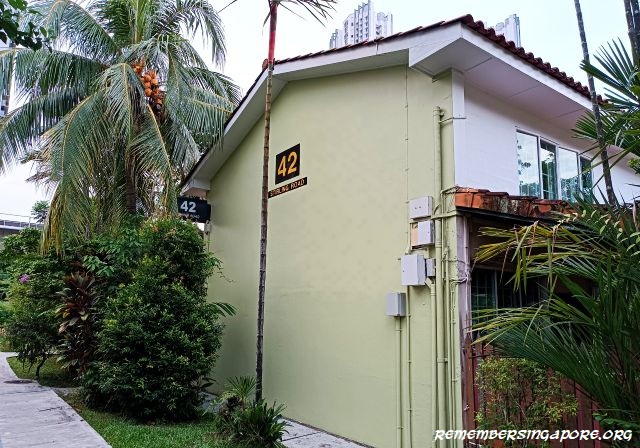
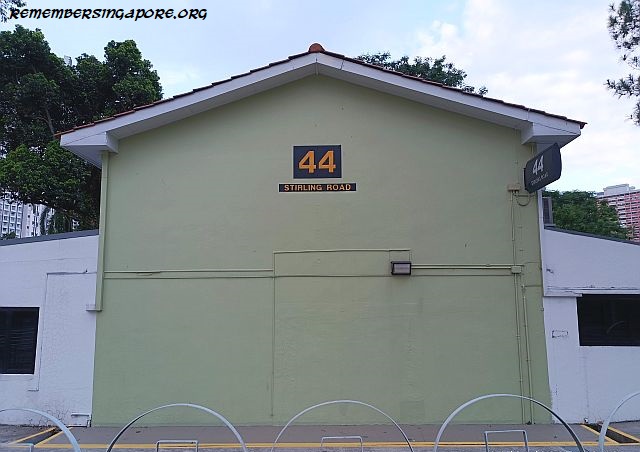
Besides Singapore’s oldest HDB blocks, Stiring Road is also home to many public landed houses, a rare type of residential properties as there are only 285 such houses in Singapore, most of them located at Queenstown. Others could be found at Whampoa and Jalan Bahagia.
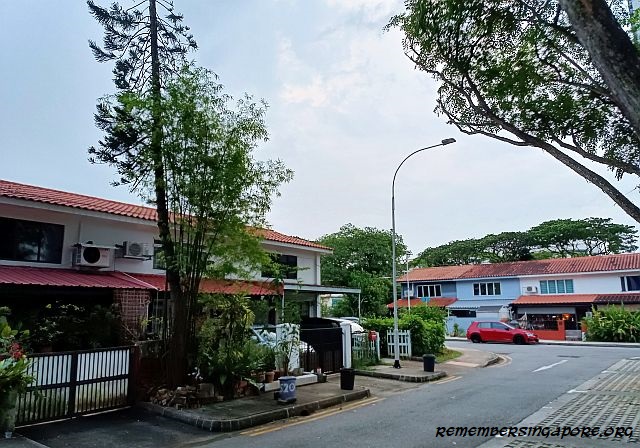
These double-storey houses of two- and three-room units were built by the SIT in the late fifties to complement the higher blocks of flats in the vicinity. Today, they are known as the HDB terrace houses.
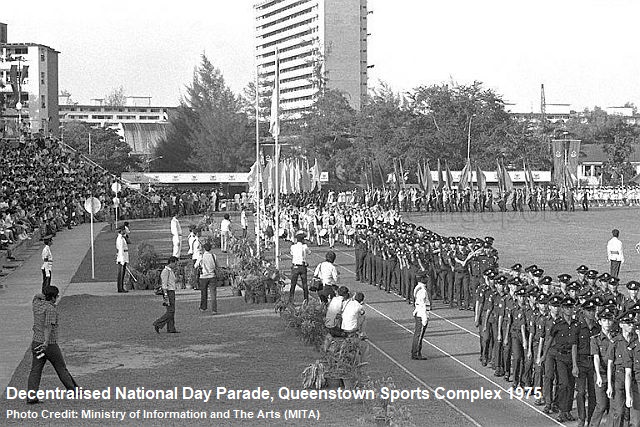
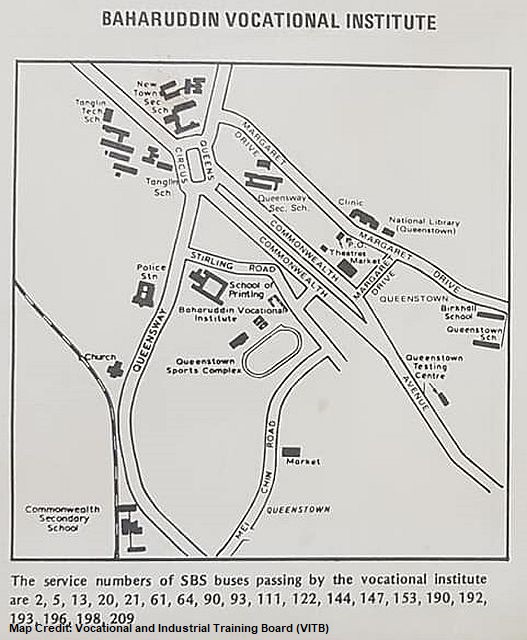
In 1970, the Stirling Road neighbourhood welcomed the addition of a new Queenstown Sports Complex that was well equipped with a stadium, running track and five swimming pools. It was Singapore’s first neighbourhood sports complex, built at a cost of $1.6 million.
Other than sports events, the sports complex also hosted many Singapore Armed Forces (SAF) parades and the decentralised National Day Parades (NDP) in the seventies and eighties.
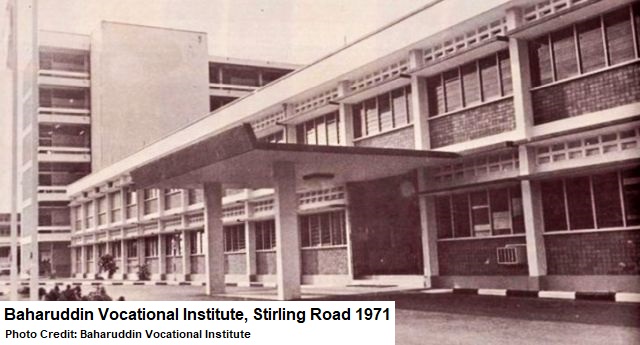
Located beside the sports complex was the former Baharuddin Vocational Institute (BVI). It was opened in 1965 and relocated to Stirling Road in 1969. Named after Baharuddin bin Mohammed Ariff (1933-1961), People’s Action Party (PAP) Assemblyman for Anson, the institute nurtured numerous batches of local designers and craftsmen in advertising, fashion and printing industries.
Baharuddin Vocational Institute was closed in 1990 after its applied arts department and classes underwent restructuring to become the School of Design at Temasek Polytechnic. The old premises was vacated until 2004, when it was taken over by the Management Development Institute of Singapore (MDIS) till this day.
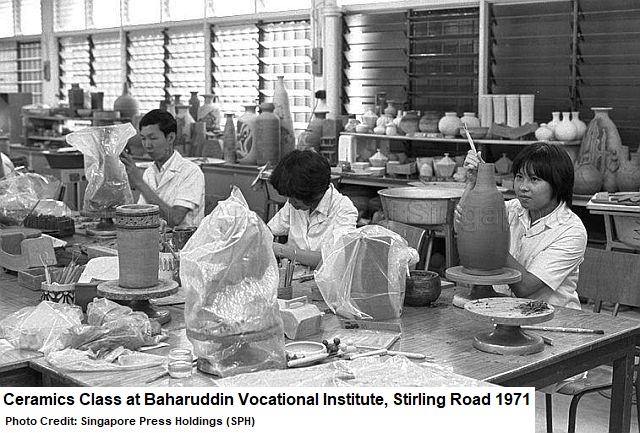
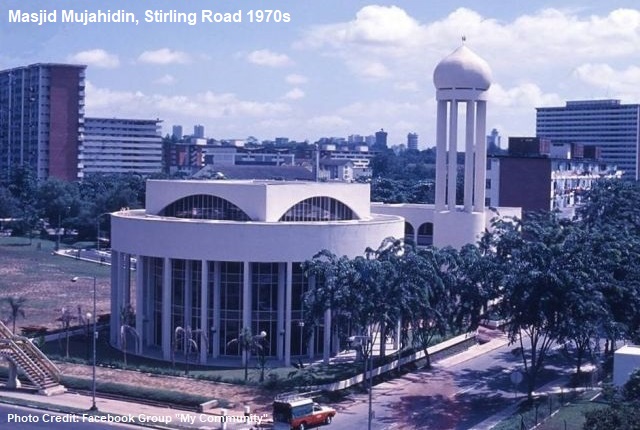
Masjid Mujahidin was officially opened at Stirling Road on 9 October 1977 as the second mosque completed by HDB under the Mosque Building Fund Scheme.
Built at a cost of $1.1 million, the mosque was opened by Dr Ahmad Mattar (born 1940), then-acting Minister for Social Affairs. A rear wing was added to the mosque in 1994, and the building underwent upgrading in 2013.
HDB carried out a lift revamp project in 1979 for some 280 blocks of flats with single lifts, including those at Stirling Road. Cost about $155,000 per lift, the objective of the project was to improve lift services in older estates and allow better accessibility for the residents in the event of a lift breakdown at their blocks.
Another HDB project was the $10-million rubbish chute replacement in 1985 for old flats at Stirling Road, Kallang, Balestier and Henderson. The old-generation rubbish chutes, built before 1963, were mostly made of asbestos, bricks and hollow blocks, and tended to leak easily. HDB reported about 120 cases of damaged chutes for every 1,000 flats. The new chutes, made of reinforced concrete, would bring the figures down to only 1 to 2 cases per 1,000 flats.
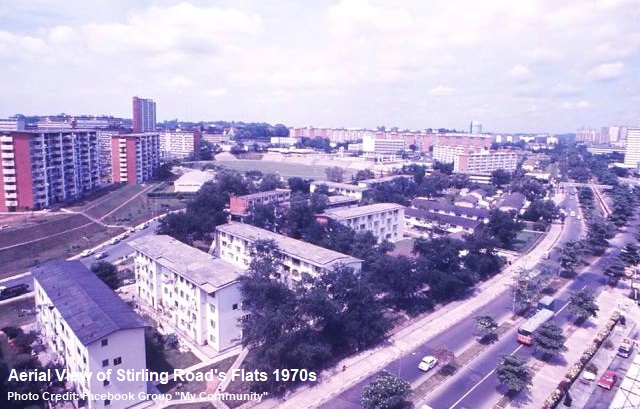
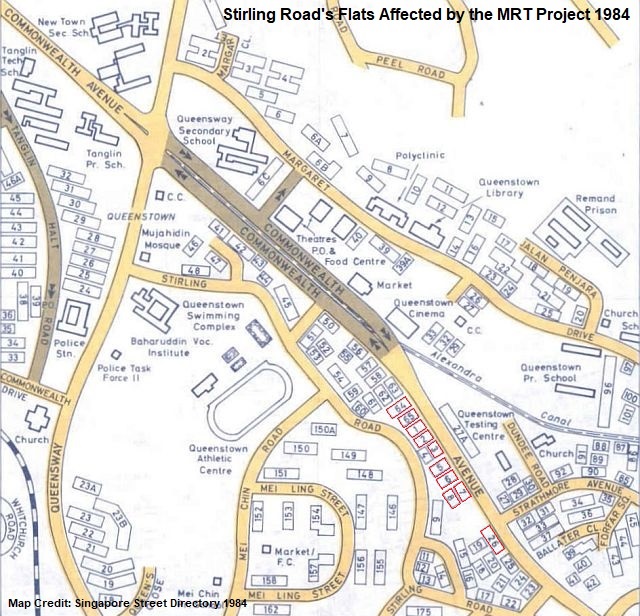
In 1984, Block 1, 2, 3, 5, 64 and 65 of Stirling Road, together with Commonwealth Avenue’s Block 6, 7 ,8 and 26, had to give way for the construction of the Queenstown MRT Station and widening of Commonwealth Avenue.
The low-rise rental flats, built by SIT in the fifties, housed almost 800 residents at the time of their demolition. The remaining flats along this stretch, between Stirling Road and Commonwealth Avenue, were torn down by the early nineties.
The increased development around Stirling Road led to more frequent and severe flooding. This prompted the government to spend $17 million between 1986 and 1990 to reconstruct the drainage system in the vicinity.
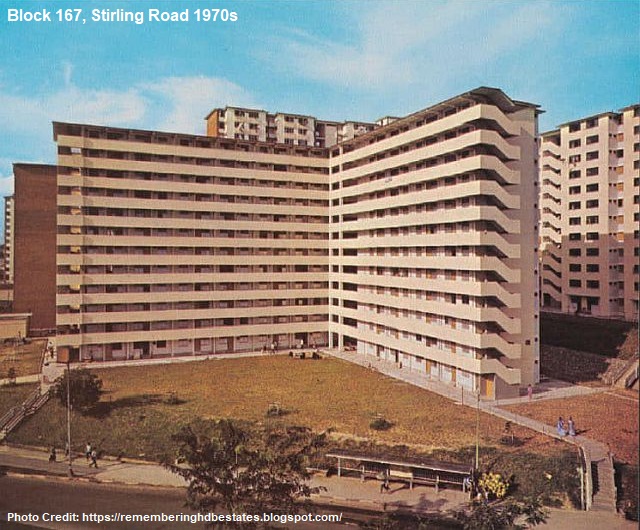
In 1994, Stirling Road’s Block 165 to 171, built in 1970, were selected for the Main Upgrading Programme. Their residents were invited to vote for the upgrading of the flats and public amenities that included a new jogging track, children’s playground, covered linkways and faster lifts. A rousing 83% voted yes.
In 1996, Block 6A and 6B of Margaret Drive and Block 39 Forfar House were selected under the Selective En-Bloc Redevelopment Scheme (SERS), where their residents were given the option to relocate to Stirling Road’s new flats at Block 181, 182, 183 and 184. Under SERS, old flats unsuitable for upgrading but with high redevelopment potential would be acquired by HDB and demolished to make way for new buildings.
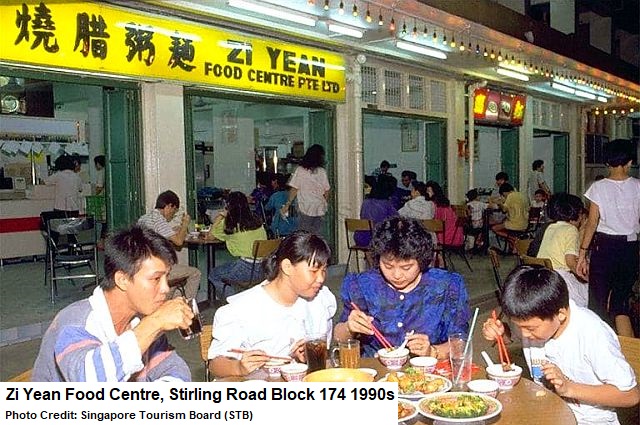
In 2001, it was Stirling Road’s Block 172, 173, 174 and 175’s turn for SERS. The four blocks of flats were subsequently demolished by 2008. The popular kopitiam Zi Yean was previously located at Block 174 Stirling Road.
Today, Stirling Road remains a quiet neighbourhood, but with an interesting mix of old and new housing. While it has Singapore’s oldest HDB flats and the rare HDB terrace houses, there are also newer HDB flats, built after the millennium, and private condominiums such as Queens and Stirling Residences.

Published: 30 June 2025
Discover more from Remember Singapore
Subscribe to get the latest posts sent to your email.






 Remember Singapore