
Mountbatten Road today is a 4.5km-long road, connecting to Geylang Road on one end and linking to East Coast Road on the other, where there is a good mixture of quality bungalows and high-end apartments. New houses have been popping up in this old residential district in recent years, but the old laidback charm and elegance of Mountbatten is still very much alive.
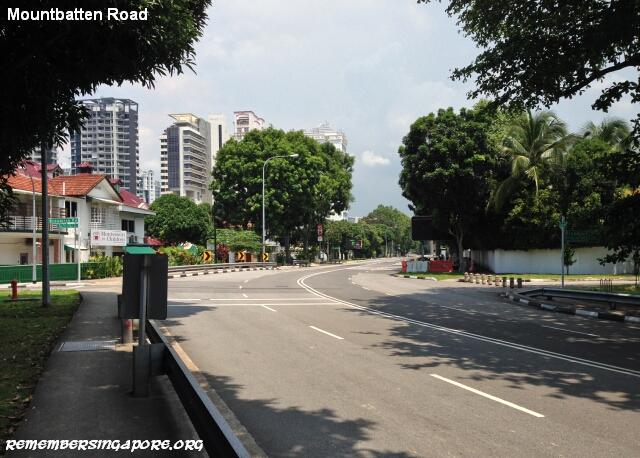
In the past, Mountbatten Road was known as Grove Road. It was later named after Lord Louis Mountbatten (1900-1979), who was the Earl Mountbatten of Burma, last Viceroy of India and also Southeast Asia’s Supreme Allied Commander during the Second World War. In September 1945, Lord Mountbatten was in Singapore to witness the surrender of the Japanese Forces at the Municipal Building. Grove Road was renamed in his honour a year later.
In the late 19th century, the area between Grove Road and the original shoreline, before the land reclamation, was a huge plantation known as the Grove Estate, where its western boundary was Sungei Geylang (also known formerly as Sungei Gaylang or Gaylang River). Its eastern side was the Confederate Estate (Confederate Estate Road is present-day Joo Chiat Road), with Tanjong Katong Road as the divider. Due to its low-lying grounds, Grove Estate was extremely prone to floods, and bunds had to be erected to protect against the overflowing Sungei Geylang during high tides.
Thomas Dunman (1814-1887), Singapore’s first Superintendent and Commissioner of Police, was the then-owner of Grove Estate. After his retirement from the Straits Settlements Police Force in 1871, Thomas Dunman began cultivating Grove Estate. He died in 1887, and his son William Dunman (1857-1933) took over the assets. William Dunman would go on to expand the estate by hiring coolies to plant thousands of coconut trees, rubber trees and lemon grasses.
In the late 19th and early 20th century, William Dunman’s properties took a hit when the rubber trees at Grove Estate were destroyed by floods and the coconut trees overran by the infestation of red beetles. It almost bankrupted him, but fortunately for him, the rubber boom years in the 1920s made William Dunman a very wealthy man again.
In the early 1920s, as more Europeans entered Singapore, accommodation became an issue for the colonial Housing Commissions. The city area was getting congested and new blocks of flats at Coleman Street, North Bridge Road and Orchard Road were not getting constructed fast enough to meet the demands.
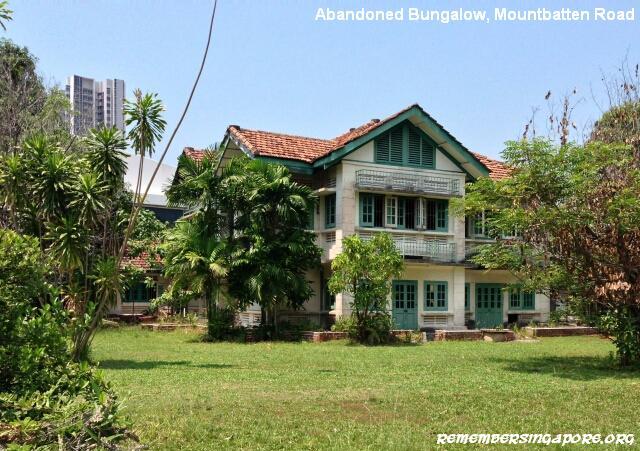
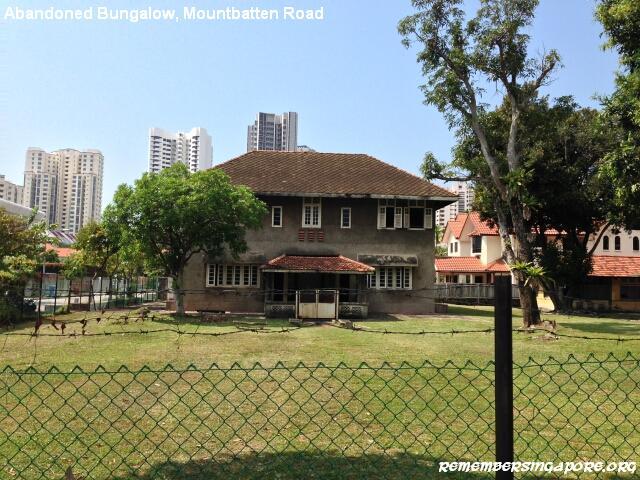
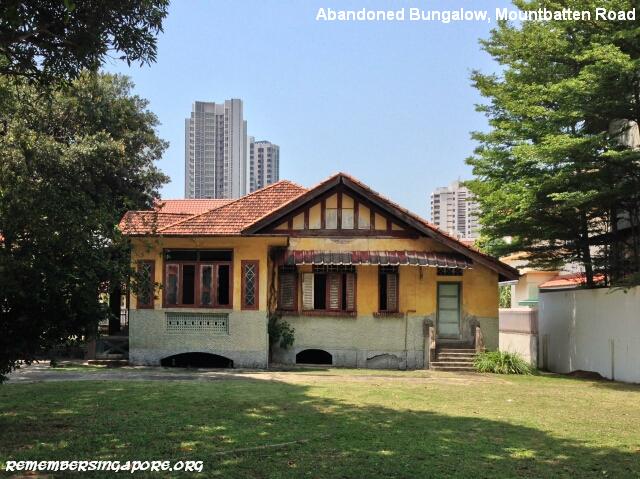
Grove Estate was proposed as an alternative, as it was only an hour’s trip from the city. William Dunman had already built numerous bungalows in his estate – he himself lived in a $2,000-bungalow by the lake – and these housings were deemed suitable for those junior married Europeans and bachelors. Moreover, William Dunman had an electricity plant and a brick factory to supply the construction materials if there was a need to built a large number of similar bungalows.
By the late 1920s, William “Old Billy” Dunman began selling off his Grove Estate, and moved to Cameron Highlands for retirement. He died at an age of 77 in Batu Gajah, Perak, after suffering from a fever in 1933.
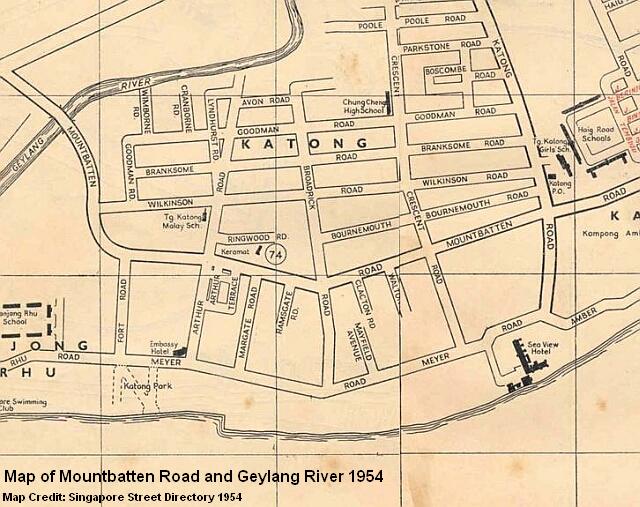
One of the most prominent families at Mountbatten and Tanjong Katong in the early 20th century was the Lee family, who owned several grand residences in the vicinity. Wealthy Peranakan merchant Lee Cheng Yan (1841-1911) built the famous Mandalay Villa at Amber Road, which was later passed to his son Lee Choon Guan (1868-1924), also a successful businessman himself.
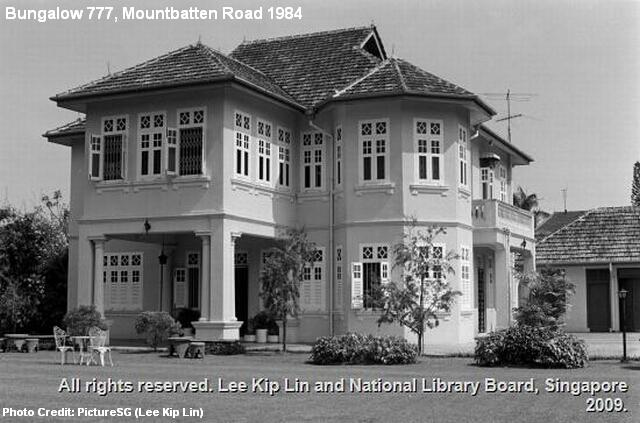
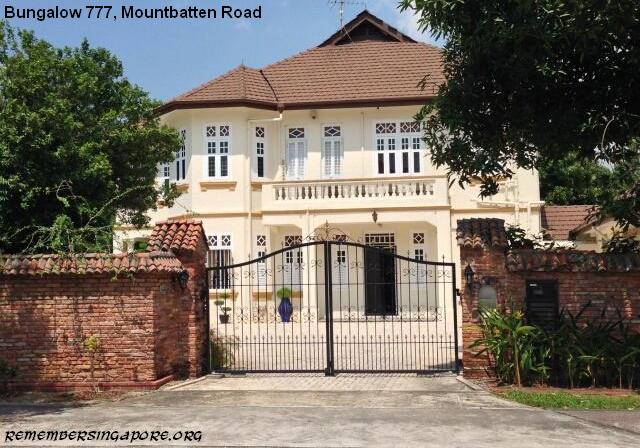
The Lee family used to throw lavish parties at the villa, inviting distinguished guests such as the Governor of Singapore and Sultan of Johore. Another grand residence, Bungalow 777 situated at the junction of Mountbatten and Crescent Roads, was owned by Lee Cheng Yan’s grandson Lee Pang Chuan.
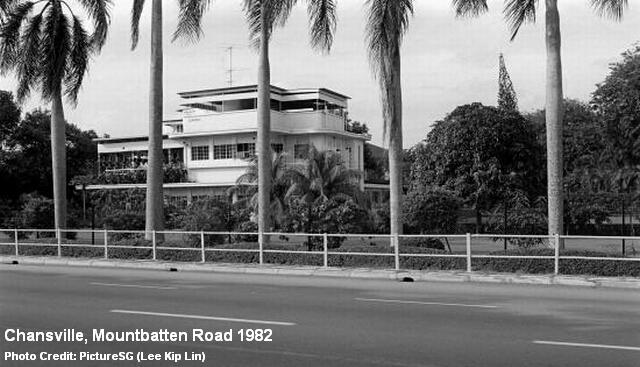
Another well-known family at Mountbatten was the Chan family, who had lived in a double-storey Early Modern-style bungalow at 745 Mountbatten Road between the 1940s and 2000s.
It was owned by Dr Chan Ah Kow (1912-1996), a local swimming coach who had trained his children to become some of the best swimmers in Singapore in the sixties and seventies, including Patricia Chan, a multi-gold medalist at the Southeast Asian Games. The bungalow, dubbed as Chansville, was sold to SC Global in 2004 and was redeveloped as part of a luxurious residential project called the Five Legends of Mountbatten.
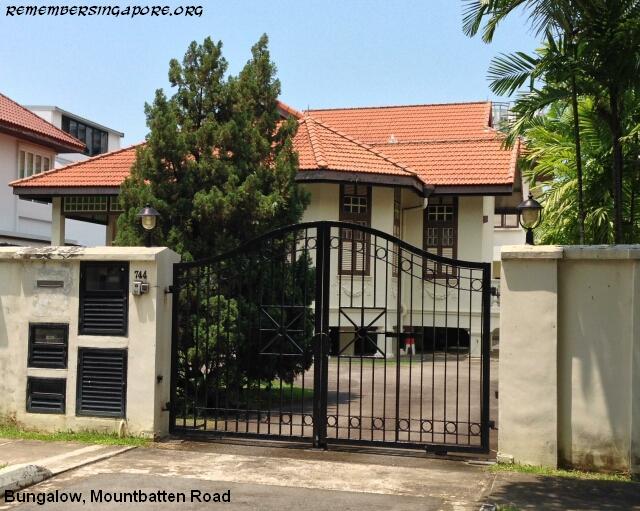
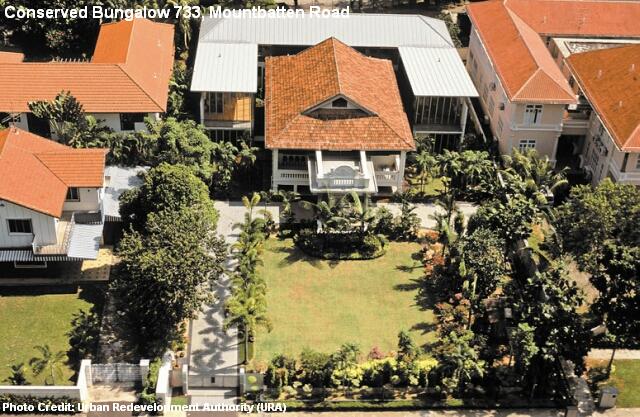
On 23 July 1993, the Urban Redevelopment Authority (URA) designated the Mountbatten Road Conservation Area, giving conservation status to a total of 15 bungalows with significant histories. Most of the old bungalows have since been restored and refurbished. Some, after bought over by new owners, are given new leases of life with the addition of modern swimming pools, garages or extended buildings.
One example is Bungalow 733, which was built as early as 1927. An outhouse was added to the single-storey Early Style bungalow in 1955. When the new owner took over in 1999, the house’s original roof, staircases, floor tiles, timber partitions and windows were retained or carefully restored.
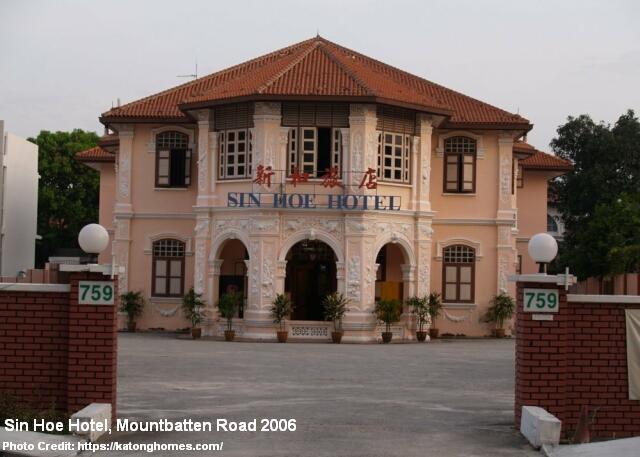
One of the bungalows in the vicinity has been functioning as a hotel since the end of the Second World War. Located at 759 Mountbatten Road, the two-storey hotel named Sing Hoe (formerly Sin Hoe) Hotel was owned in the fifties by Ong Tiow Kian, a Chinese hotel-keeper.
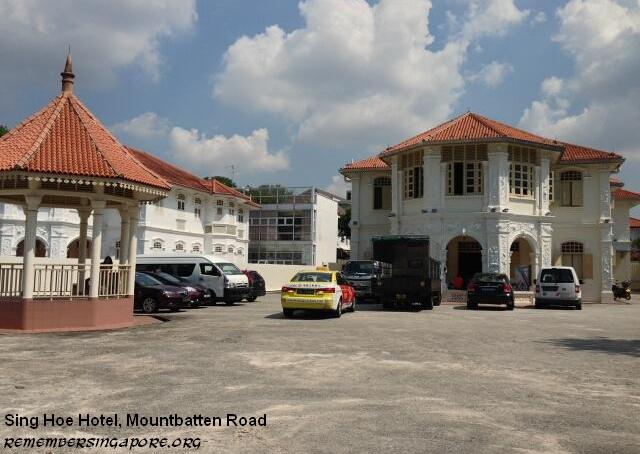
Sing Hoe Hotel was not the first hotel at the Mountbatten/Tanjong Katong district. The Grove Hotel had first started operating at Tanjong Katong in 1903. Named after Grove Estate, the hotel, housed in a two-storey bungalow at the sea front, was unlike any other early hotels built during the hotel boom years in the early 20th century.
While most hotels were built in the developed city area of Singapore, Grove Hotel was settled at the “countryside” of Mountbatten and Tanjong Katong, where it had horse-drawn carriages and sampans to ferry its guests between the city and the hotel. At the Grove Hotel, visitors and guests were treated to a different experience in exotic beaches, picnics and hiking.
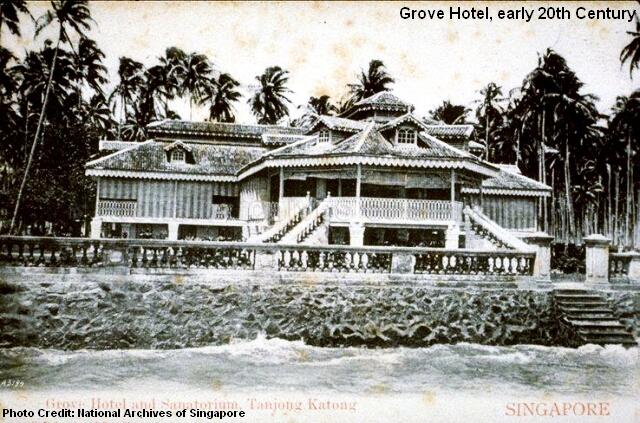
Grove Hotel, however, operated only a few years before it became part of the old Sea View Hotel in 1909. The old Sea View Hotel was first owned by Sir Reuben Manasseh Meyer (1846-1930), a wealthy local Jewish businessman, municipal commissioner and philanthropist. Like Grove Hotel, it was also housed in a large colonial bungalow situated by the sea.
When the hotel was leased to the Armenian brothers of the Sarkies family in 1923, it went through a series of elaborated renovations. By the 1930s, the old Sea View Hotel became a prestigious hotel equipped with modern bathrooms, tennis courts, a grand ballroom, swimming pool, golf course and other luxurious facilities. In fact, it was rated, along with Adelphi Hotel and Raffles Hotel, as Singapore’s top three hotels.
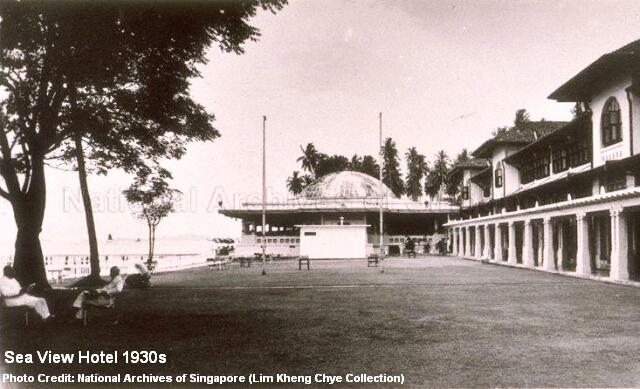
The Sarkies was a famous family who had owned many high-end hotels in Southeast Asia in the late 19th and early 20th century. The four brothers (Martin, Tigran, Aviet and Arshak Sarkies) and their cousin (Arathoon Sarkies), at one period, were the owners of Singapore’s top Raffles, Adelphi and Sea View Hotels.
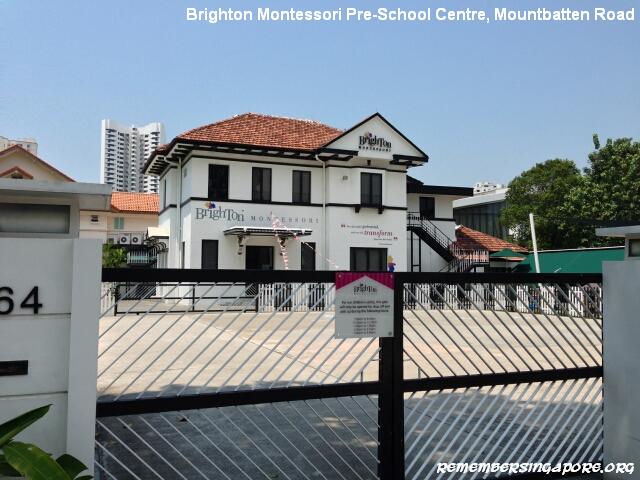
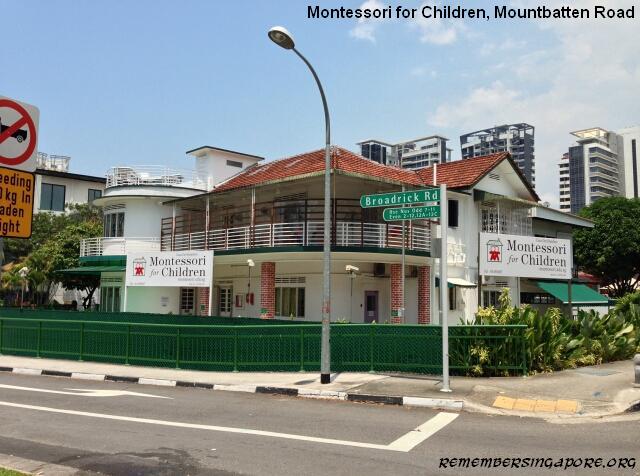
Other than hotels, some Mountbatten Road’s old bungalows are converted into pre-school centres, such as the Brighton Montessori pre-school centre. Brighton is the name of an English seaside town; in the old days, Tanjong Katong, with its seaside location and idyllic surroundings, was fondly known as the “Brighton” of Singapore.
The old bungalows at Mountbatten Road came in different designs and styles. The most common and popular architectural styles belong to those of Colonial, Victorian, Art Deco and Early Modern. Owned by the wealthy and elite class, they used to have a fanciful nickname called the “millionaires’ bungalows”.
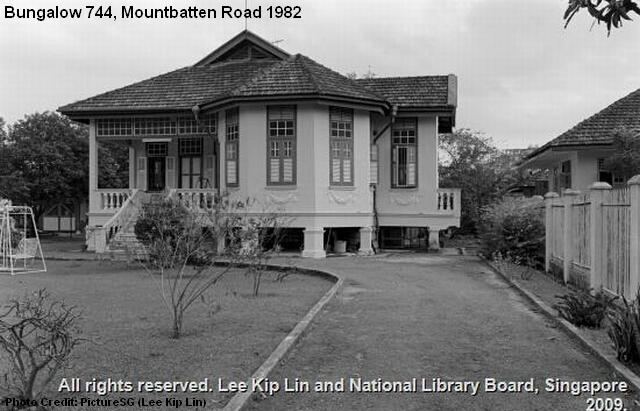
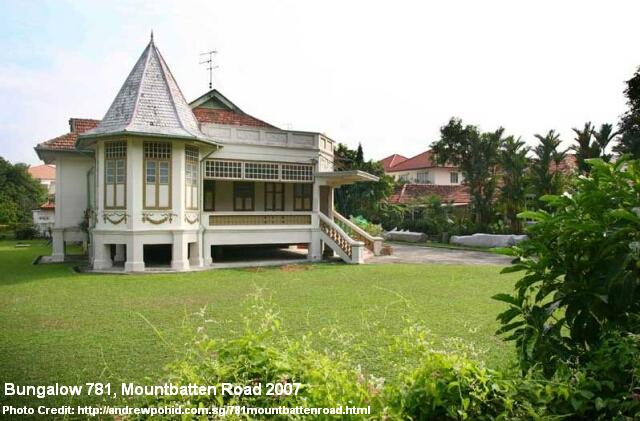
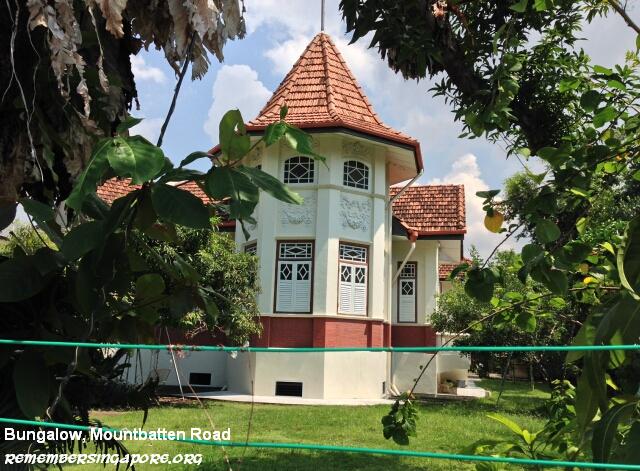
Some of the most unique and beautiful bungalows at Mountbatten Road are the single-storey ones with their eye-catching conical roofs. Built in the late 1920s, only a couple are left to be conserved. The houses, beside their iconic roofs, also come with detailed verandahs, balustrades, staircases and stilts that allow under-floor ventilation. It is a well-designed feature that has proven to be effective in the hot and humid climate of Singapore.
Published: 06 September 2016
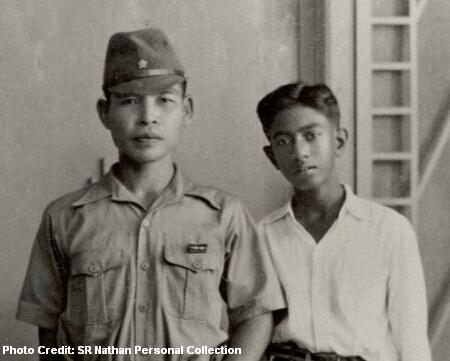 It was the early 1940s, and the impacts and horrors of the Second World War had reached Singapore. During the Japanese Occupation (1942-1945), Nathan, in a twist of fate, managed to master the Japanese language with the help of an English-Japanese dictionary. At age 18, he started working as an interpreter and translator to a high-ranking officer in the Japanese civilian police.
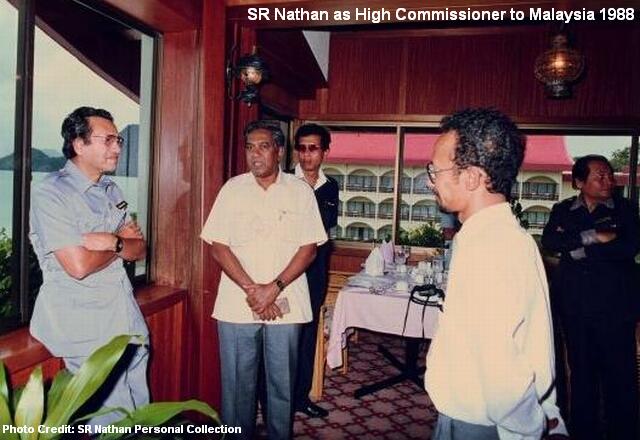
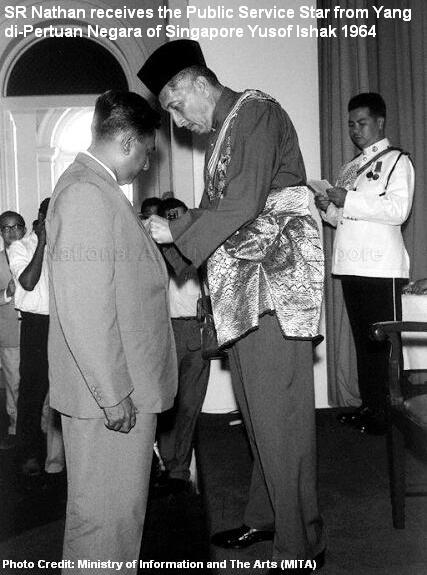 After graduation, S.R. Nathan began his 40-plus-year career at the civil service, until the late nineties, taking on numerous roles at the Marine Department, Labour Research Unit, Ministry of Foreign Affairs and Ministry of Defence.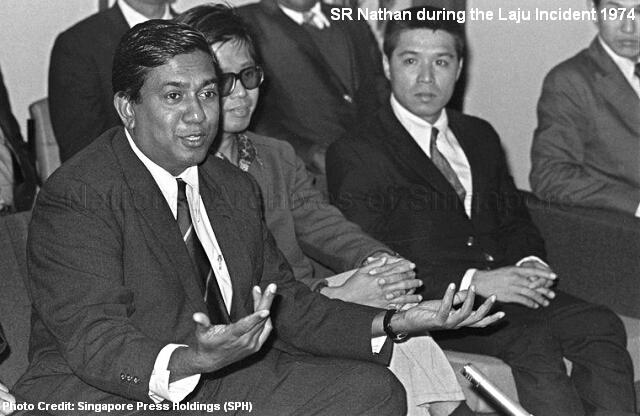








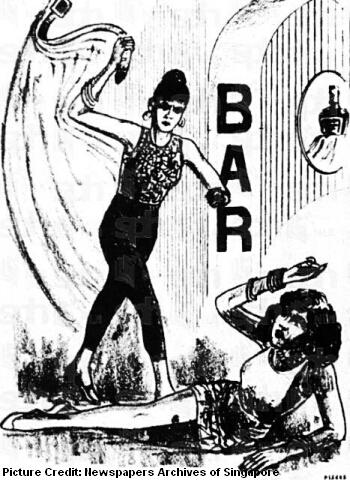 Dressed in black tight-fitting clothes, the woman gangsters often used their belts to whip the victims into submission. Sometimes, they would brutally attack the victims’ faces using stone-removed ring prongs as jagged-edged weapons. Those who refused to pay them money were disfigured and maimed.
 By 1972, it was estimated that there were still 20,000 secret society members and gangsters in Singapore. A year later, in 1973, the CID detectives made headlines by successfully tracking down and arresting the head of Ang Soon Tong. This led to the decline of one of Singapore’s remaining secret societies that still held triad rituals, initiation ceremonies and blood oaths of allegiance.


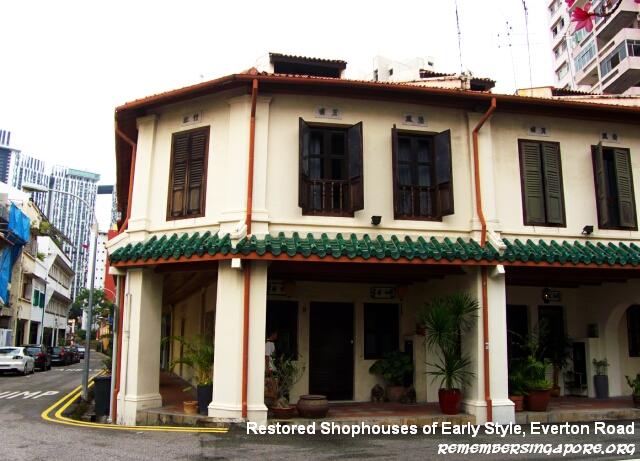
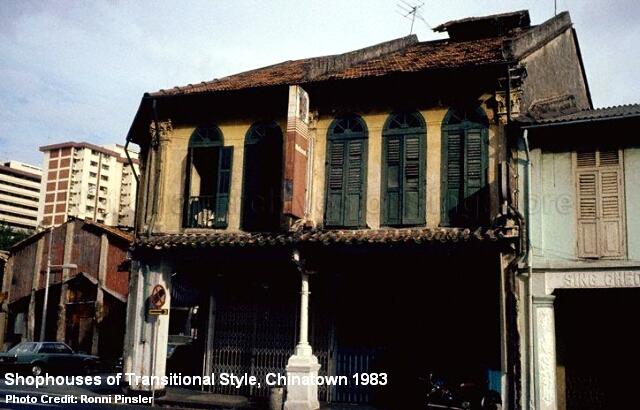
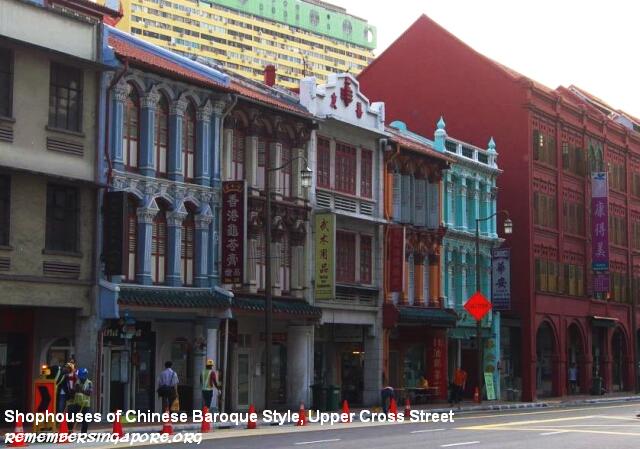
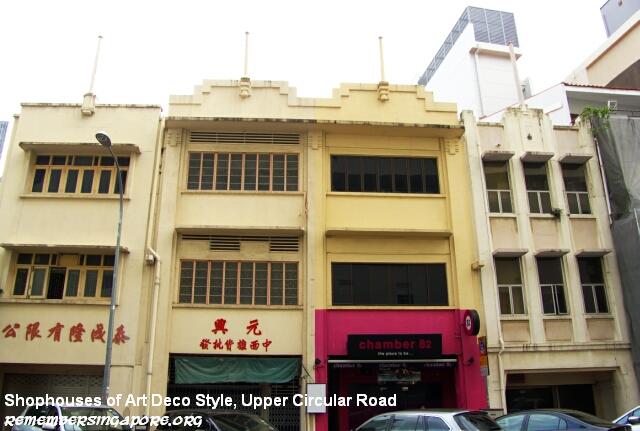
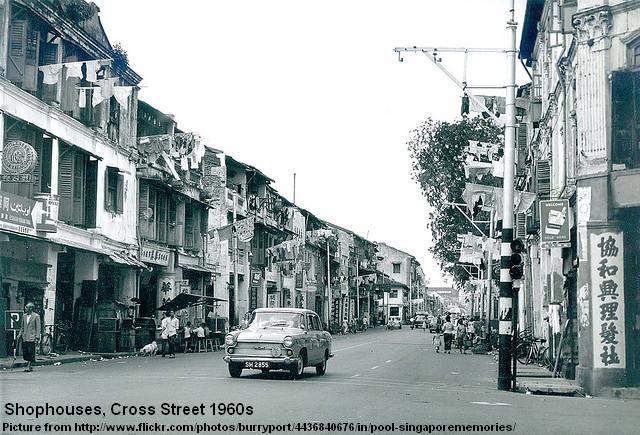
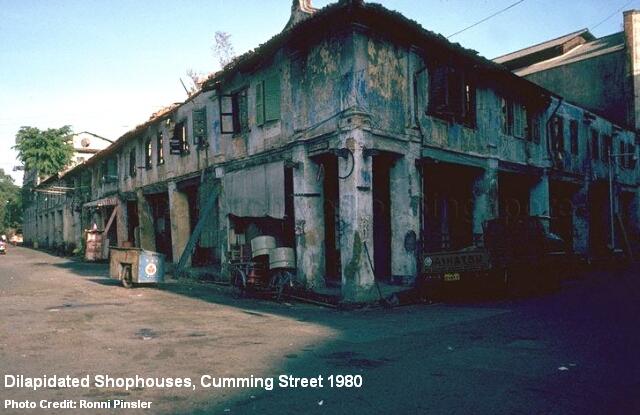
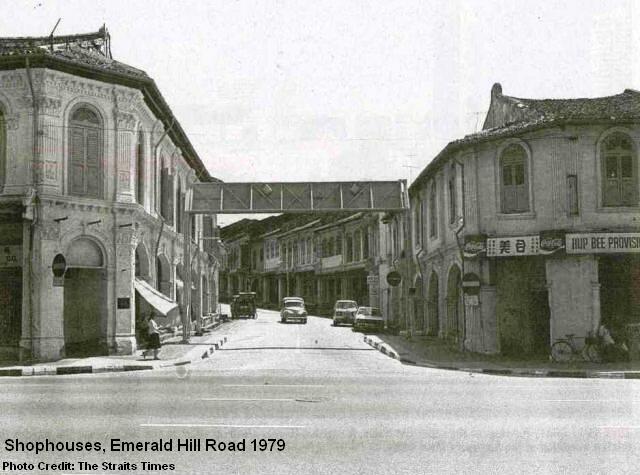
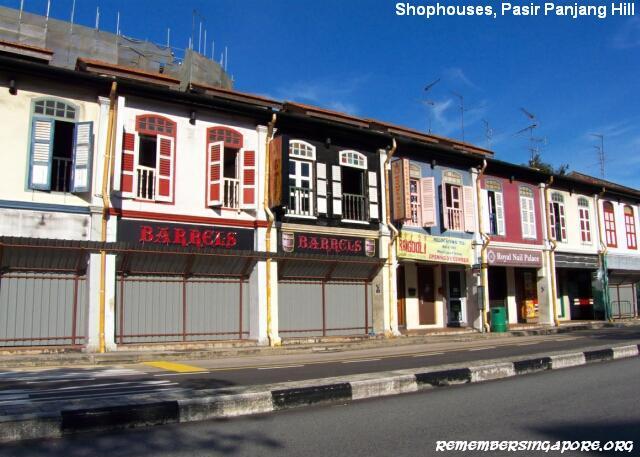
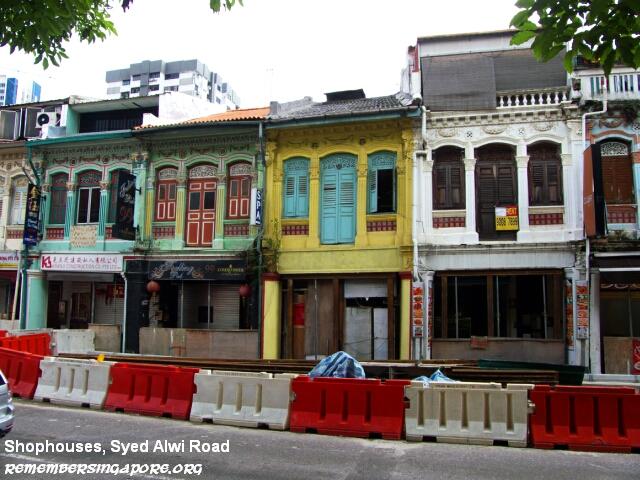
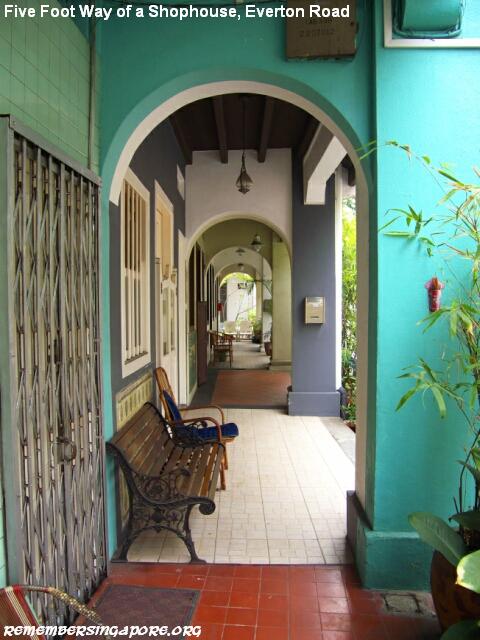 The five foot ways continued to be filled with activities throughout the 20th century until the eighties. Different types of traders and service providers could be found at the five foot ways, such as locksmiths, barbers, k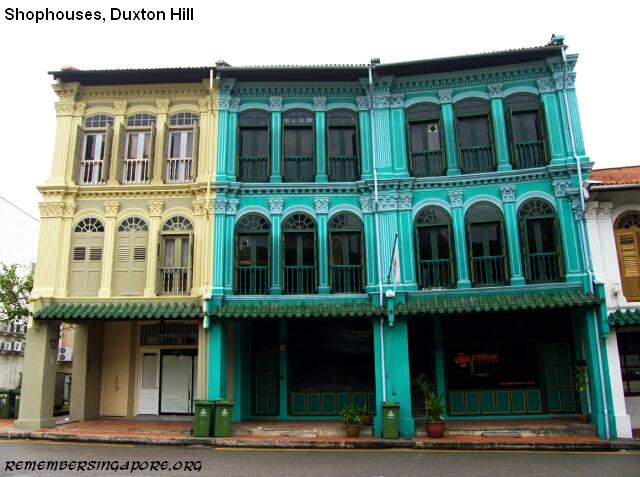










 Remember Singapore