The era of the eighties is a favourite for many, including me. Life seemed to be a little slower, a little less stressful and perhaps also a little boring since there were no internet, iPhone, Facebook and cable TV.
Catching guppies at the longkangs, playing hide and seeks, challenging spiders in matchboxes… What were your favourite memories of childhood?
This extensive list of items that I have compiled can be representative of a Singapore lifestyle in the eighties. There are certainly many more things which remind us of the past, but I shall keep it to a hundred items. The list is not in any order, and may be slightly biased due to the memories of my childhood and student times. 😀
Snacks & Soft Drinks
Most, if not all, children love snacks and soft drinks. Back in the eighties, the varieties of chips and chocolate might not be as many as there are today, but it was enough for students to save up some of their allowances to buy their favourite snacks at the small provision shops or mama stalls in the neighbourhood.
1. Kinos Snacks
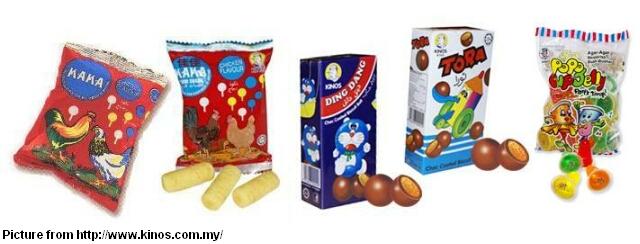
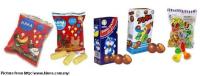
We all love the simple snacks and titbits from Kinos, a Malaysian snack manufacturing company established way back in 1982. Kaka, Tora and Ding Dang were the most popular choices, not to mention the jelly cups with various flavours too. Oh yes, these Kinos snacks can still be found in the supermarkets today.
2. 10c Snacks
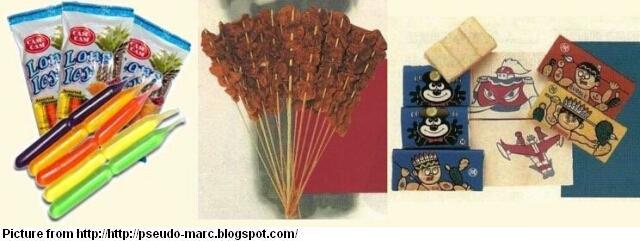
In the eighties, what could be bought with 10c at a mama shop?
Answer: One sng bao (ice pop), or one satay stick, or one bubblegum. Able to be snapped into two sections, the sng bao was ideal after a game of football. The satay stick did not look too appealing in today’s standard, while the sugary bubblegum was available before the islandwide ban in 1992. They came with cartoon designs in the wrappings too.
3. Hiro Chocolate Cake
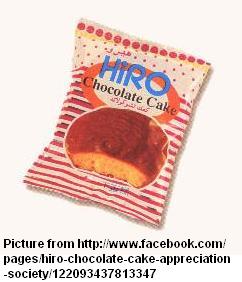
Soft, puffy and chocolaty, this is definitely one of the favourite snacks of the students in the eighties. They have another flavour in strawberry too. Kinos was the Malaysia supplier for Hiro Chocolate Cake.
4. Khong Guan Fancy Gems Biscuits
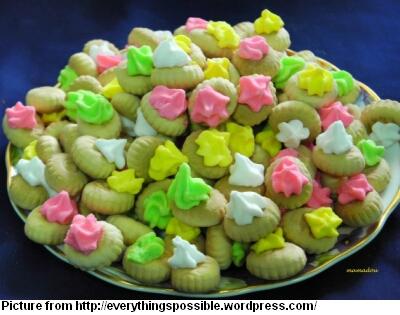
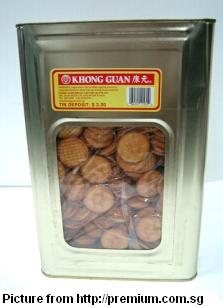
A product from Singapore’s old branded Khong Guan Biscuit Company, these little biscuits with sweet star-shaped coating at the top were joyful titbits for children. And they came with different types of colours too.
Khong Guan Biscuit Company was founded by Chew Choo Keng in 1947. Producing a large variety of biscuits in different flavours packed in their symbolic rectangular tin boxes, it recorded high sales in Singapore and Malaysia from the sixties to eighties. In 1993, after decades of expansion, it was sold to a Malaysian businessman called Lim Geok Chan.
5. White Rabbit Creamy Candy
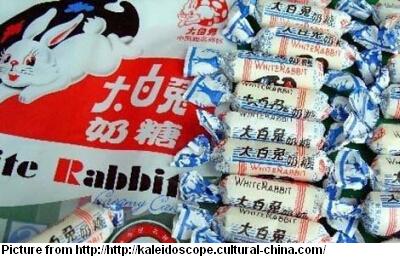
Developed in Shanghai as early as 1943, each white, chewy candy is wrapped in a thin edible film made of sticky rice. Its popularity here declined after the nineties, and was almost banned after being hit by the melamine contamination scandal in China in 2008.
6. Bottled Soft Drinks
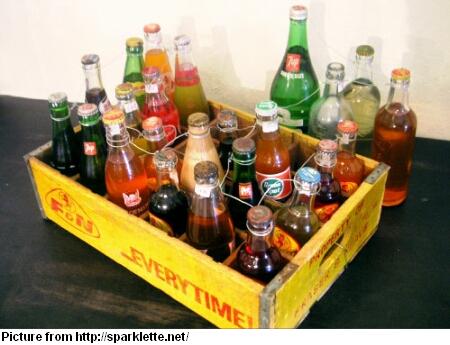
F&N, Fanta, Green Spot, Miranda, Kickapoo, Sinalco… all in glass bottles! Never mind the sugar content, they were perfect for the hot weather. The various colourful bottle caps were neat collectibles, while the orange juice was a must-have item in Chinese weddings.
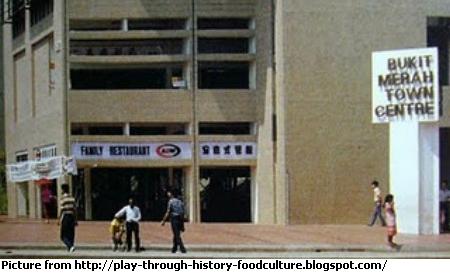
7. A&W Root Beer Float
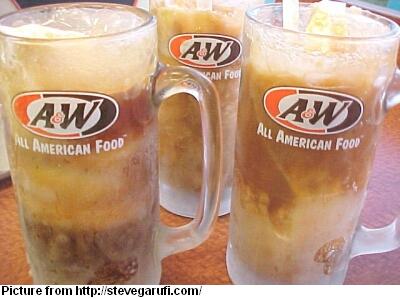
Root beer float in iconic frosty mugs, delicious curly fries, coney dogs… Will we miss A&W (Alan & Wright) that much if it is still in operation in Singapore like McDonald’s and KFC? A&W started its business in Singapore in 1966 and withdrew in 2003.
8. Hawflakes
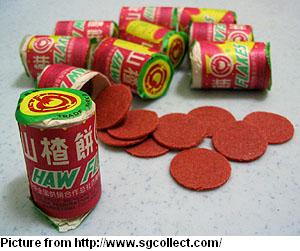
These are sweets made from the Chinese hawthorns, the fruits that are also used to make traditional Chinese snack bing tang hu lu 冰糖葫芦. Available in Singapore and Malaysia since the seventies, the design and taste have changed very little till today.
Games
“long chiam pass!” “or wah peh ya som!”
With no iPhone, computer or internet, children were satisfied with simple games in the eighties. Zero Point and Hantam Bola were played using rubber bands and tennis balls.
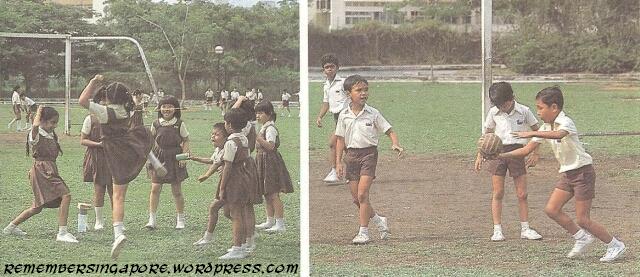
And you just need a few friends to play Hide and Seek, Catching or Police and Thief. The leader of the group would appoint the “policemen” and “thieves” by going “ki ki ki peng peng kua ti tiang ho nang ker zho peng… ki ki ki zhak zhak kua ti tiang pai nang ker zho zhak” among the players. 😀
9. Kuti-kuti
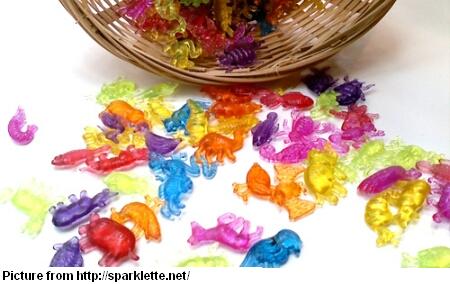
A traditional Malay game made popular since 1940s, two players ply their skills and accuracy by trying to flip their pieces to land on top of each other. When that happens, the winner will claim the defeated piece.
Bottle caps and rubber bands could be used, but little transparent plastic in the shapes of elephants, camels, birds and other animals were the favourites among children. Popular snack Kaka used to give away these colourful pieces packed in each packet.
10. Classic Board Games
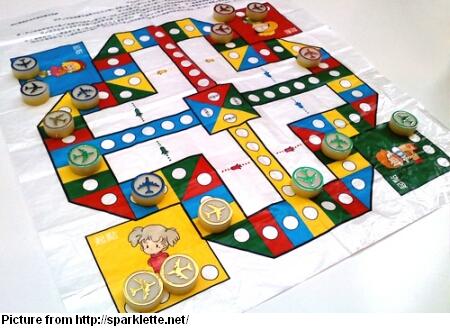
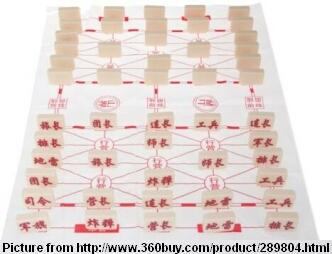
While Chinese chess and International chess are more for serious players, children of the eighties loved to play board games that were deemed more challenging and exciting. Aeroplane chess, animal chess and Chinese war chess were some of the examples.
For aeroplane chess, each player (blue, red, green and yellow) begins with four seeds. With dices thrown at each round, the aim is to get all four seeds to land on the finishing point at the center of the board game. The Chinese war chess is a strategic board game where the player can place his soldiers, bombs, mines, commanders of different ranks and the military flag in his setup. The game is over once the military flag is captured by either side.
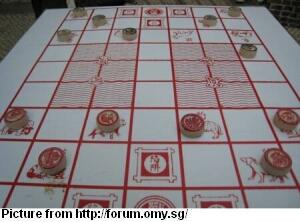
My personal favourite is the animal chess, which I remember some of its interesting rules: such as the Rat is the only one which can swim in the river, it can also eat the Elephant, the Lion, Tiger and Leopard can jump across the river and the game is over when one of the caves is conquered.
11. Hopscotch
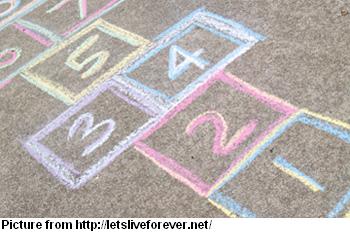 A game that is said to be originated from either the Romans or the Chinese, hopscotch is played around the world, including Singapore. Popular to be played in the parks or playgrounds, the outlines are usually drawn with a chalk and a stone or a bean bag is used as a marker during the game. Each player must skip through the course, with one leg, without touching the lines or the marker.
12. Five Stones
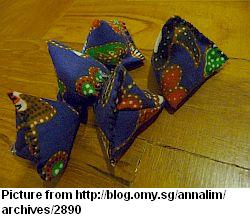 Five Stones (五粒米) is an ancient game from Greece or Egypt, but extremely popular in Southeast Asia, especially among the girls, from the fifties to eighties. In local context, five little triangular bags, filled with sand or rice, are used. Each player has to throw a bag into the air, and then quickly grab another bag on the ground before catching the first one on its way down. The game continues as the player repeats the action by grabbing two bags on the ground, and so on.
13. Chapteh
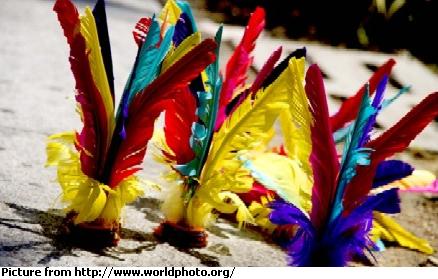
Originated from China in the 5th century BC, this traditional game is called jianzi (毽子) in China, shuttlecock in the West and chapteh in Southeast Asia. Made of a rubber disc fixed with colourful feathers, the player has to keep the chapteh in the air during a game without using his hands. It is also similar to Malay sport sepak takraw, which used a rattan ball instead.
14. Goli (Marbles)
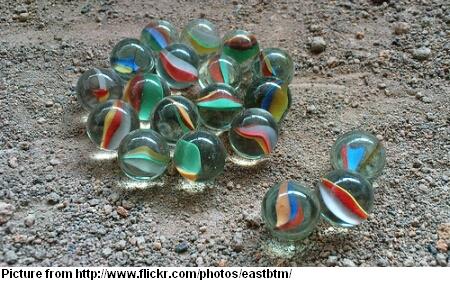
Easily one of the most popular games for the male students in the eighties, goli was a game involving skills and accuracy. Typically played on sand, the marbles were placed in a drawn circle as the players stood behind a straight line drawn several meters away. Every marble that was knocked out of the circle was a victorious claim.
As if that was not exciting enough, goli became associated with gambling as Panini stickers, coins and even $1 dollar notes were used as bets. The goli used also “progressed” from small glass types to those white opaque marbles. Some even resorted to use metal marbles (ti ji) to smash the opponents’ marbles into pieces.
15. Sand-Based Playgrounds
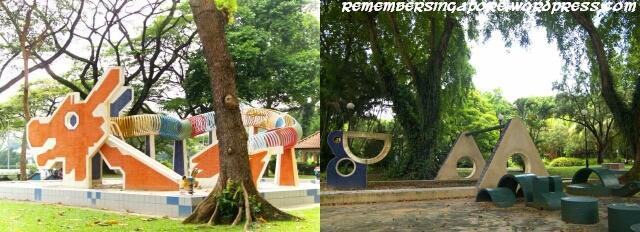
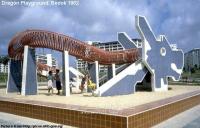
Discard the concerns of unhygienic conditions or dangerous plays, many adult Singaporeans now would have fond childhood memories of these locally-designed sand-based playgrounds. While the dragon and pelican playgrounds were the more common types, others were designed with slides, swings, monkey bars, merry-go-rounds and see-saws. Many of these playgrounds were torn down since the late nineties.
Oh yes, once in a while a cat would be spotted burrowing its faeces in the sand of these playgrounds. Yucks 😀
Collectibles
16. Panini Stickers
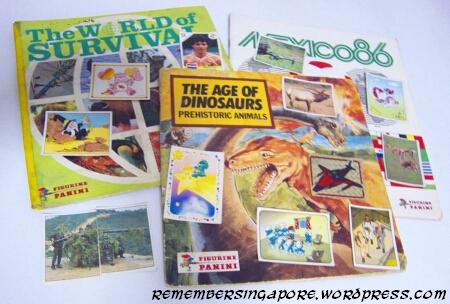
Italian hobbyist company Panini Group, founded in 1961, is famous for their stickers associated with football. They later diversified to make stickers associated with wildlife, history, cartoons, warfare and others. The earliest Panini sticker books to be launched in Singapore were The World of Survival and The Age of Dinosaurs in the mid-eighties, and they proved to be extremely popular here. Dozen of other varieties soon followed, including Mexico ’86, Italian ’90, Mask, Carebears, Smurfs, Ghostbusters, and even one book about the Singapore Armed Forces.
17. Stamps
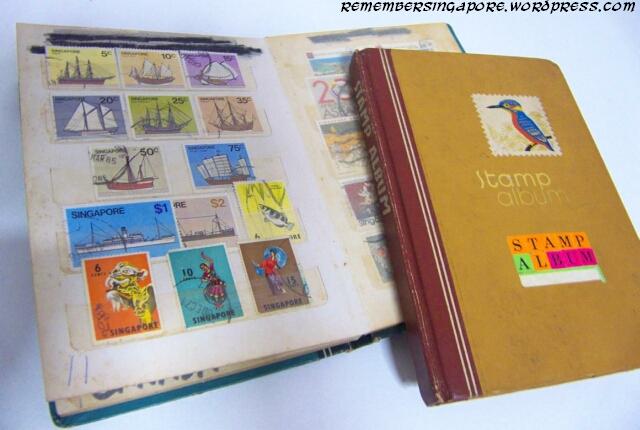
Stamp collection was and is always a traditional and gentlemanly hobby. In the past, stamps pasted on envelopes were soaked in the water and carefully peeled off after their adhesive softened.
Today, with local stamps issued in the form of stickers and the convenience of emailing, the hobby of stamp collection is no longer be attractive to the younger generations.
18. Old Dollar Notes
For Singapore currency, there are four series launched since 1967: namely the Orchid (1967-1976), the Bird (1976-1984), the Ship (1984-1999) and the Portrait (1999-Present) series (but of course the Portrait series did not exist yet in the eighties). The $25 brown note of the Orchid series has exceptional value as Singapore did not issue another note of $25 denomination again (except for a commemorate one in 1996).
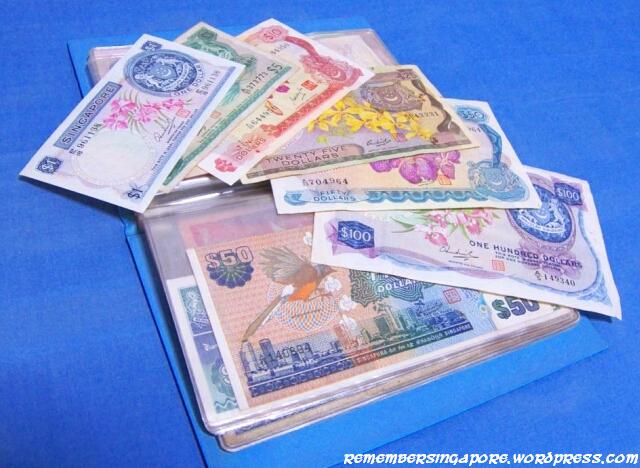
Beside the usual notes, commemorative dollar notes such as the 25th anniversary of Singapore’s independence (1990) and the $20 note celebrating the 40th year of currency agreement with Brunei are highly sought after.
Other than local currency, dollar notes of other countries, old or new, are great collectibles for hobbyists.. that is, if you are rich enough. 😛
19. Old Coins
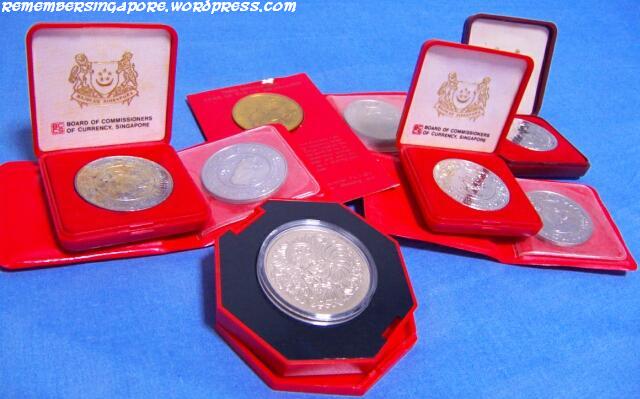
I used to collect the commemorative Chinese New Year coins, issued by Singapore Mint, every year religiously, until I have all twelve animals in the Chinese horoscope.
Some of the old coins are also my favourite, especially the huge $1 coin with a Singapore lion on it. The nickel coin was issued in 1967 and lasted for twenty years until 1987, when they switched to the aluminum-bronze bagua-designed one. After independence, Singapore has issued only two set of coins so far.
20. Phone Cards
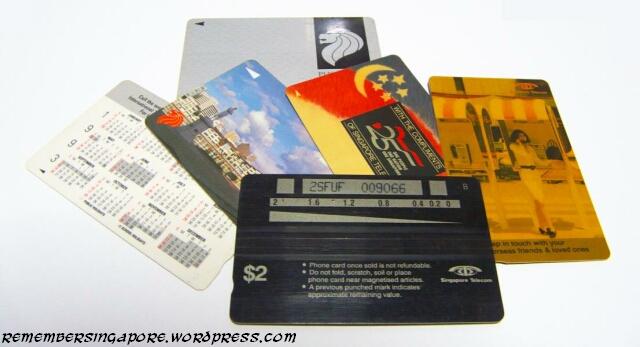
Phone cards were not exactly products of the eighties, but they made good collectibles, so I will include them here. 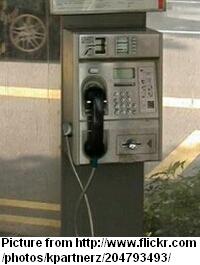 Introduced in early nineties, the early plain designs used colours to differentiate the values of the cards, such as a $20 phone card was in silver whereas the $50 one was gold.
Soon, many designs were launched. There were the designs portraying Singapore landscapes, food, culture and traditions; there were special editions for Chinese New Year festivals; there were also advertisements from companies. All these provided good opportunities for hobbyists to add to their collections.
Festival
21. Pop Pop Fire Crackers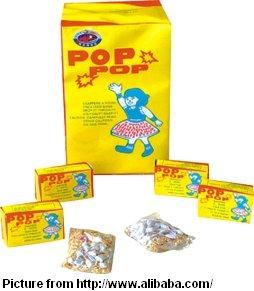
Firecrackers had been banned in Singapore long ago, but these little white crackers made good substitutes during Chinese New Years.
Made in China, they gave loud “pop” sounds when hit something hard at fast speeds. Kids loved to throw a few at the corridors or downstairs during the countdowns. The naughty ones would grab a bunch and throw all at once, scaring the passers-by. These crackers were later banned by the authority too.
Stationery
22. Multi-Purpose Japanese Pencil Box
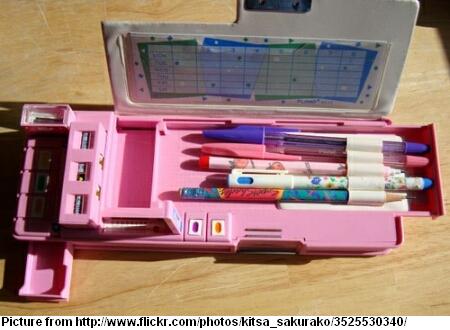
Like a robotic pencil box, it had many functions, springy buttons and “secret” compartments that many kids, with affection for gadgets, would love. Shaped like an aircraft carrier and performed like a Swiss army knife, the all-powerful multi-purpose pencil box could hold many pens, pencils, erasers and rulers on both sides. It even had a built-in sharpener and thermometer. Great design!
23. Flag Erasers
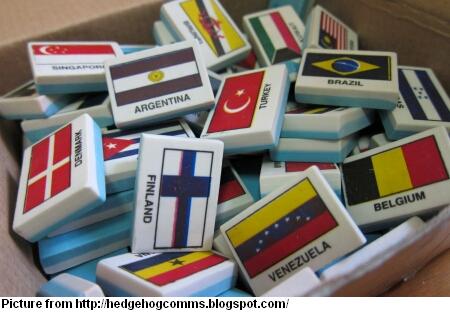
A clever marketing gimmick by whoever the manufacturer of these cute flag erasers as they proved to be very popular among the students. Many attempted to collect all the flags; more than a hundred of them, including some nations which do not exist anymore, such as Czechoslovakia and Yugoslavia.
These erasers were also popularly used in the game of kuti-kuti.
24. Book-Spinning and Pen-Spinning
 Book spinning and pen spinning seemed to be popular pastimes for bored students of yesteryears. Some even went to the extent of competing each other to see who can spin for the longest time. It is said that pen spinning was invented by a Japanese student in the 1940s. The trick became popular in the United States and other parts of Asia, including Singapore, in the eighties and nineties.
I could do a simple “ThumbAround” but had lesser success in more difficult tricks involving other fingers. 😉
Apparel, Accessories & Fashion
25. White School Shoes
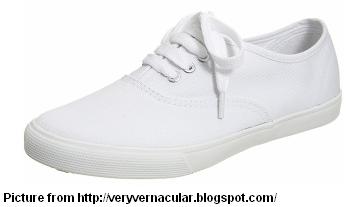 In the eighties, students did not have many choices in all-white canvas school shoes. The most common ones were the Bata, US Masters, BM2000 and not forgetting the good old Panda brand.
I used to take chalks from the blackboard to whiten my shoes after a game of football, so to avoid disciplinary actions from the teacher for having dirty shoes. Actually there were those bottled white starch which were used to be applied on school shoes, but I found that chalks were easier alternative. 😉
26. Alien Workshop Baggy Jeans
Alien Workshop baggy jeans, No Fear t-shirt, Converse sneakers, center-parting hairstyle… It might be “cool” for a teenager in 1990 but definitely looks hilarious now. Where are the fashion police when you need them?
27. Orange Pointed Comb & Hairstyles
 Orange combs with long pointed ends were must-have for old school boys. They stuck out in the back pocket, creating cool “ah beng” impressions. The boys loved to use them to carefully arrange their hairstyles for more than 10 minutes in the toilets. Not to be used as a weapon though.
As for the most “in” hairstyles for boys… The “bengish” ones went for center parting, “stepped” or inner cut, while the conservative ones preferred “slope” or an armani.
28. [ixi.z] Wallet
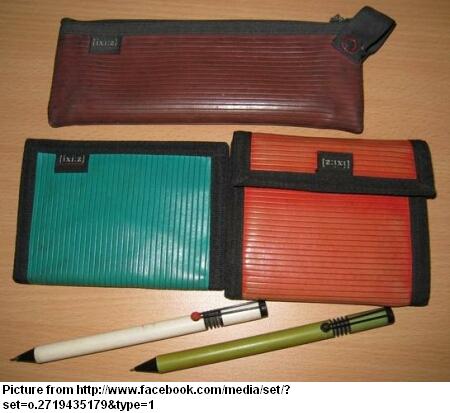
Back then, this was the “in” wallet to own. Not exactly cheap for a student, it also produced pens and casings. The designs of the wallets were velcro-based, brightly-coloured and had multiple compartments for cash and cards.
And the brand name itself was quite unique.. I still can’t pronounce it today.
29. Casio Watches
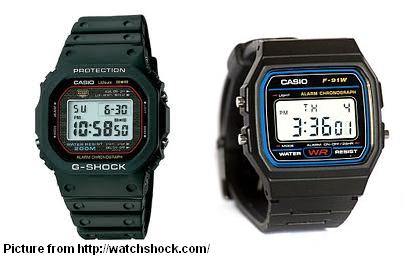 The first Casio G-Shock DW-5000C was launched in 1983, gaining immerse popularity among the youngsters. It had a water resistant depth of 200m and its battery life could last seven years.
Another popular model Casio F-91W was released in 1991.
Music
From Rediffusion to Mediacorp Radio, from free-to-air broadcasting to internet music, from portable radios to iPods, music has always been part of our life. Singapore has a mixed culture, heavily influence by Asia and the West. It is no surprise that the local youngsters, no matter what generations, have the freedom to follow their preferences in music.
Blues, jazz, rock, dance, hip hop, techno, rap… Which genre is music to your ears?
30. English Pop
The eighties and early nineties saw the rise of Michael Jackson as he released three successful albums in Thriller (1982), Bad (1987) and Dangerous (1991). His music videos of Beat It and Billie Jean sparked the MTV (Music Television) industry, which further cemented his King of Pop status.
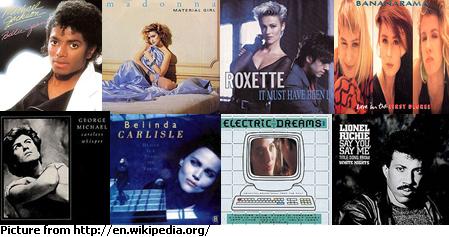
Madonna debuted in 1982 and released many hits in Like A Virgin, Material Girl and La Isla Bonita from 1984 to 1987. Other popular artistes included the likes of Rick Astley, Bananarama, Belinda Carlisle, Pet Shop Boys, George Michael and Roxette.
Who could forget the hit ballad Within You’ll Remain by our own local band Tokyo Square in 1985? My personal favourites were Together In Electric Dreams, It Must Have Been Love, Take My Breath Away, Circle In The Sand, Careless Whisper and many more…
The music of the eighties were so influential that Zouk’s retro-themed nights Mambo Jambo continues to be extremely popular among the local clubbing crowds.
31. Xinyao

Initially started as a competition of local song-writing in 1981 by a group of students, xinyao flourished and arguably hit its peak by the end of the eighties. Clear acoustics usually accompanied by a guitar, xinyao represented the purity and innocence of the local youngsters’ dreams during that era. However, it did not manage to avoid the commercialisation of music a decade later.
32. Mandarin & Canto Pop
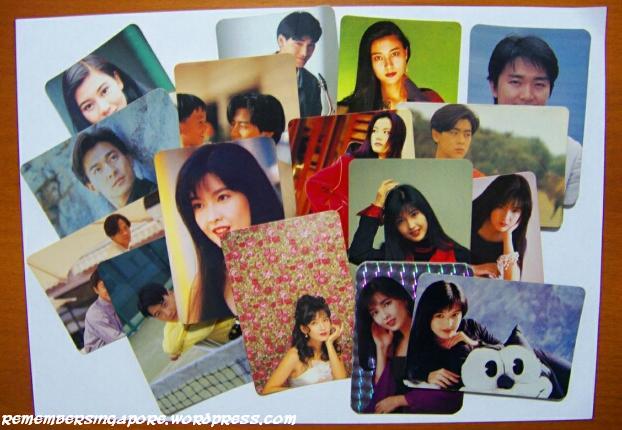
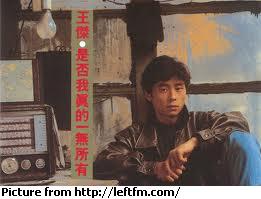 Mandarin Pop or Mandopop in the early eighties was represented by Taiwanese singers in Teresa Tang (邓丽君), Liu Wen Zheng (刘文正), Fei Yu-Ching (费玉清) and Feng Fei-Fei (凤飞飞). It was a period heavily influenced by the craze over Chiung Yao’s (琼瑶) love novels and melodramatic movies. Towards the end of the eighties, fans’ taste changed as they turned their sights on rising talented stars such as Dave Wong (王杰), Sky Wu (伍思凯), Pan Mei Chen (潘美辰), Song Bai Twins (小松小柏) and The Little Tigers (小虎队).
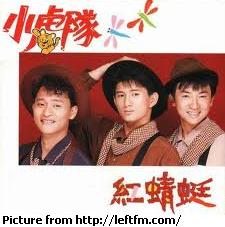 However, the Mandarin music market would soon be filled with young idols that emphasised on their appearances rather than their vocals. Music companies would go to the extent to spend a great deal on packaging and marketing.
The eighties were the golden era for Canto Pop, with outstanding Hong Kong artistes in Leslie Cheung (张国荣), Alan Tam (谭咏麟), Anita Mui (梅艳芳), Danny Chan (陈百强) and Sally Yeh (叶蒨文). Their rose to prominence in the Chinese communities around the world coincided with the golden era of Hong Kong movies in the same period. Canto Pop would reach another peak during the early nineties with the emergence of the “Four Heavenly Kings”.
33. Cassette Tapes and the Walkman
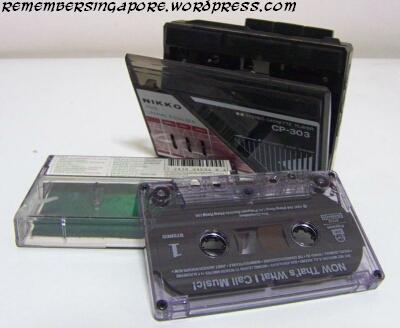 Each media represents an era: mp3 represents the 2000s, CDs (Compact Discs) represent the nineties, cassette tapes represent the eighties, and vinyl records represent the days prior to the 1970s.
The music media has to go with a specialised player, and we have the iPod, Discman and gramophone that plays mp3, CDs and vinyl records respectively. For cassette tapes, it is the Walkman. Walkman was actually Sony’s tradename for its iconic cassette tape player built in 1978, but with 220 million units sold worldwide, it was so popular that the name represented the player itself.
34. Yamaha Soprano Recorder
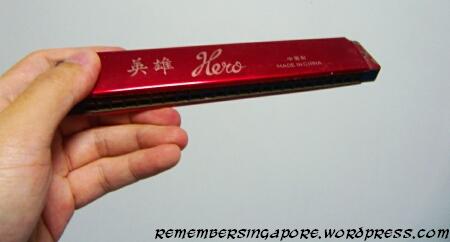
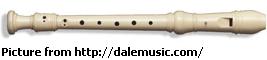 The Yamaha recorder was a simple introduction to music for primary school students of the eighties. I do not really have the talent for music, so this recorder, along with the small harmonica, are the only musical instruments I have in my whole life.
TV Shows and Movies
Ever since Television Singapura was founded in 1963, watching TV programs evolved from being a luxury to that of a necessity. With the birth of Singapore Broadcasting Corporation (SBC) in 1980, many Singaporeans became diehard fans of local and foreign dramas, sitcoms and variety shows.
35. SBC Dramas
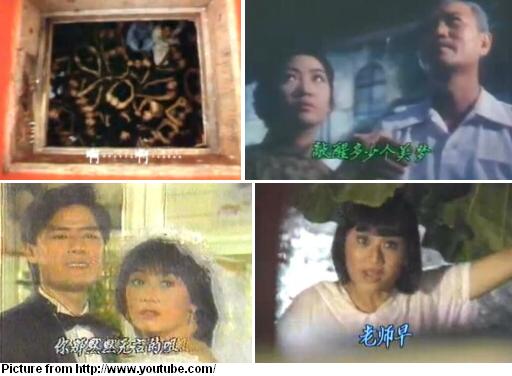
A series of SBC dramas were produced in the eighties, their plots mostly revolved around the Singapore society. The picture qualities might look bad compared to now, but generally the dramas received good reviews from the audience. A few representative works include The Awakening 雾锁南洋 (1984), Son of Pulau Tekong 亚答籽 (1985), The Coffee Shop 咖啡乌 (1986), Five Foot Way 五脚基 (1987) and Good Morning Sir! 早安老师 (1988).
36. Hong Kong/China/Japanese Dramas
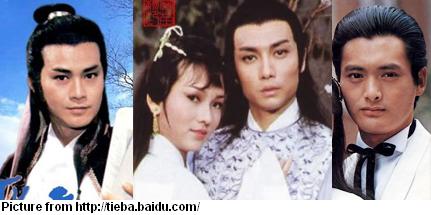
Hong Kong TVB (Television Broadcasts Limited) dramas have always been the darlings of Singaporeans. Martial arts dramas adopted from Gu Long novels were popular, ranging from Damian Lau’s Lok Siew Fung 陆小凤 (1976) to Adam Cheng’s Chor Lau Heung 楚留香 (1979). Chow Yun-Fat rose to stardom with his participation in The Good, The Bad And The Ugly 网中人 (1979) and The Bund 上海滩 (1980). After its establishment in 1980, SBC imported many of these quality dramas to be shown on Channel 8.
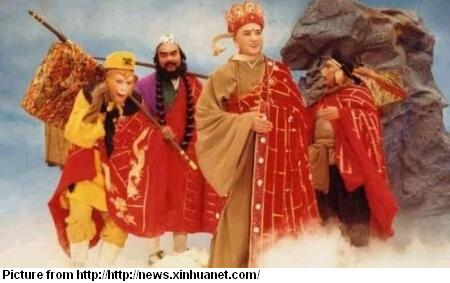
Classic China dramas such as Journey to the West 西游记 (1988, cast by the famous Liu Xiao Ling Tong 六小龄童) and Jigong 济公 (1985) had their fair share of fans too.
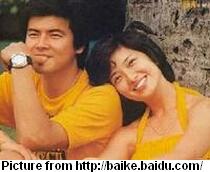 Japanese dramas were rare in the eighties, but Oshin 阿信 (1983) managed to stand out as it moved many local housewives to tears. The marriage of on-screen lovers Yamaguchi Momoe (山口百惠) and Miura Tomokazu (三浦友和), arguably the biggest names in the Japanese showbiz of the eighties, was a fairytale came true for their fans.
37. Jin Yong Martial Arts Dramas
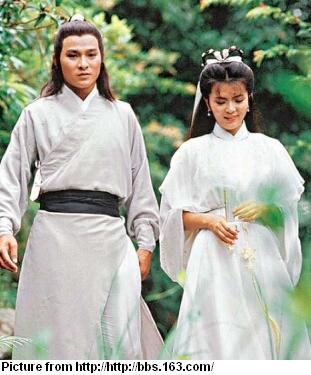
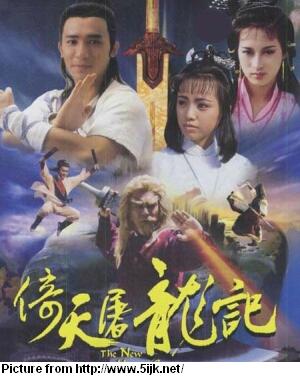
The successes of Babara Yung’s (翁美玲) The Legend of the Condor Heroes 射雕英雄传 (1983), Andy Lau’s Return of the Condor Heroes 神雕侠侣 (1983) and Tony Leung’s The Duke of Mount Deer 鹿鼎记 (1984) and The Heavenly Sword and Dragon Sabre 倚天屠龙记 (1986) pushed Hong Kong martial arts novel author Jin Yong (金庸) and TVB dramas to greater heights.
Years later, fans were still reminiscing on these classics, even though the same storylines have been reused and remade several times.
38. Taiwan/Hong Kong Movies
Melodramatic love movies adopted from Chiung Yao 琼瑶 novels were made popular from the seventies to early eighties by the success of two pairs of on-screen lovers 二林二秦. Joan Lin (林凤娇) married Jacky Chan in 1982 and retired from showbiz, effectively ending the glamorous co-operation of the four Taiwanese idols, who had taken Asia by storm and created their legacy for a decade.
Hong Kong movies soon took over as the popularity of Taiwanese movies declined. Until the end of the nineties, Hong Kong movies had enjoyed its 20 years of golden period. From zombies (林正英僵尸电影系列) to horror/comedy (黄百鸣开心鬼电影系列) to gambling (王晶赌片系列), Hong Kong movies had huge following in Singapore.
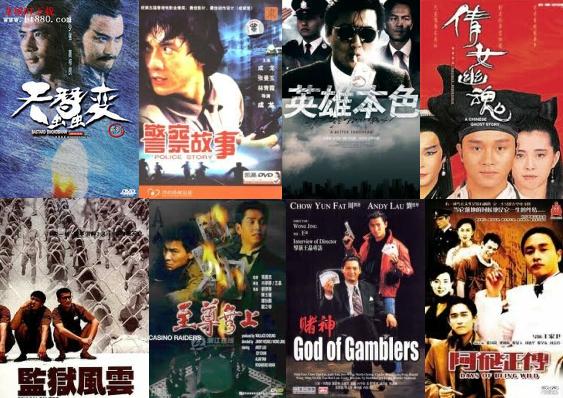
Bastard Swordman 天蚕变 (1983), Police Story 警察故事 (1985), A Better Tomorrow 英雄本色 (1986), A Chinese Ghost Story 倩女幽魂 (1987), Prison On Fire 监狱风云 (1987), Casino Raiders 至尊无上 (1989), God of Gamblers 赌神 (1989) and Days of Being Wild 阿飞正传 (1990) were some of the classics in the eighties, while Stephen Chow dominated the nineties with his nonsensical types of comedies.
39. Hollywood Movies
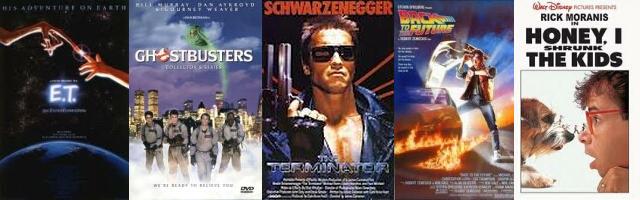
E.T. The Extra-Terrestrial (1983), Ghostbusters (1984), Indiana Jones series (Raiders of the Lost Ark in 1981, Temple of Doom in 1984, Last Crusade in 1989), The Terminator (1984), Back to the Future (1985), Top Gun (1986), Honey I Shrunk the Kids (1989) were the top box-office movies in Singapore in the eighties. Not forgetting that horrible doll Chucky in Child’s Play (1988) who gave many kids nightmares.
Unlike Hong Kong movies, Hollywood productions were already more advanced in their special effects and computer graphics.
40. Sesame Street
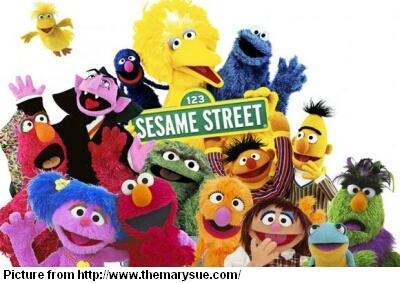 An American children series, first shown on TV in the United States way back in 1969, Sesame Street has found its way to many countries in the world, including Singapore. Many of its muppets, created by Jim Henson, were children’s favourite TV characters. The popular muppets include Kermit the Frog, Miss Piggy, Elmo, Cookie Monster, Oscar the Grouch, Ernie and Bert, Big Bird, and so many more…
41. Video Tapes
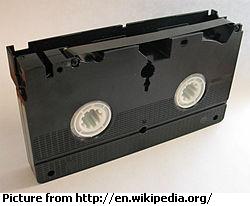 The first VCR (videocassette recorder) was launched to the mass market in 1971. By the late eighties, they became reasonably affordable for a consumer to rent, play, record or watch a film in the comfort of his home. He could even schedule his video player to do a record of TV program at a later timing. By late nineties, video tapes became endangered species as VCDs (video compact discs) and DVDs (digital versatile discs) made their way into the video sector.
Shopping
Shopping has always been the favourite pastime of Singaporeans. Shopping malls, whether in prime districts or neighbourhoods, are constantly filled with people. Many are able to flourish for decades, but some unlucky ones failed to survive. The likes of Yaohan, Emporium and Daimaru had their glorious days in the eighties, but did not make it till this day.
42. Yaohan
 Yaohan (八佰伴) opened its first store in Singapore in 1974. Encouraged by popularity among the locals, it subsequently opened other branches at Thomson Plaza (1979), Bukit Timah (1982), Jurong (1983-1989) and Parkway Parade (1983). After the Asian Currency Crisis in 1997/98, Yaohan bankrupted and closed most of its stores worldwide.
43. Daimaru
 Another Japanese retail superstore, Daimaru (大丸) came to Singapore in 1983. By 2003, it had shut down its most of its overseas operations. Singapore was its last investment overseas.
44. Emporium
 Owned by the Lim family from East Malaysia, Emporium (英保良) was one of the biggest retailer chains in Singapore during the seventies, owning 32 stores islandwide and another 30 in Malaysia. It started in 1966 with its first two stores at Raffles Place and Hill Street. Its Oriental Emporium (东方百货公司) at Ang Mo Kio central was a favourite shopping place for the heartlanders. It also had a Chinese restaurant (东方大酒楼) for weddings or yum cha. The group could not avoid bankruptcy when the financial crisis hit in 1985.
45. OG
 A popular local department store at People’s Park, OG was first established in 1973. With more shopping malls joining in the competition, OG’s development in Singapore has been limited. Nevertheless, it still manages to expand to three outlets, the other two being located at Orchard Point and Albert Complex.
46. Scotts Shopping Centre
The five-storey shopping mall with another 23-storey of service apartment was popular among the rich Indonesian visitors. It was also home to Singapore’s first ever air-conditioned food court, Picnic Food Court, in 1985. In 2004, it was sold to Wheelock Properties and the whole building was demolished a couple of years later.
Sports
47. NBA
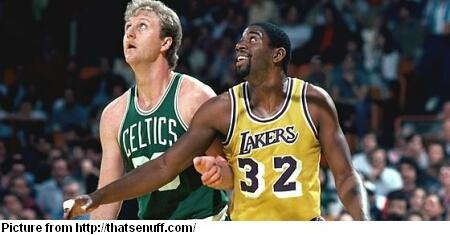
During the eighties, free-to-air Channel 5 was generous enough to telecast live NBA (National Basketball Association) matches featuring the intense rivalry between Larry Bird of Boston Celtics and Magic Johnson of Los Angeles Lakers. The charm of NBA was pushed to greater heights with the emergence of Michael Jordan in the mid-eighties. Basketball became a craze in Singapore after he led his Chicago Bulls to challenge Detroit Pistons’ Isiah Thomas and his “Bad Boys” at the end of the eighties.

48. Jordan Mania
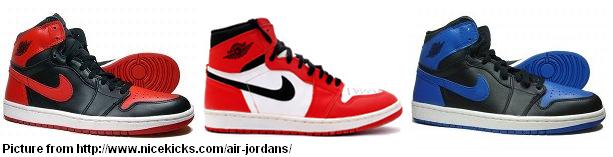
With the rise of superstar Michael Jordan in the NBA, his signature moves were copied by fans around the world. The shoes he wore, the Air Jordan series, were also selling like hot cakes, including here in Singapore. The first model, Air Jordan I, was released in 1985, but was banned by NBA which disallowed “colourful” shoes. Jordan, nevertheless, wore Air Jordan II during his victory at the slamdunk competition in 1987.
49. European Football
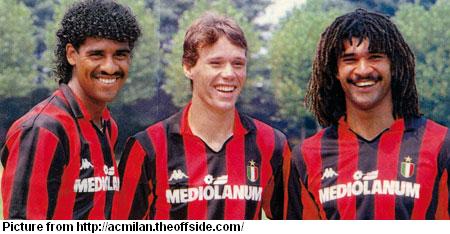
Football remains Singapore’s favourite sport throughout the decades. Beside NBA, Channel 5 also telecast free Italian Serie A matches and the Old English Division One. AC Milan, with its rising Dutch trio of Marco Van Basten, Ruud Gullit and Frank Rijkaard, was challenging Diego Maradona’s Napoli, while Liverpool battled against derby rival Everton for the titles, an era before Manchester United ruled the Premier League.

50. Malaysia Cup
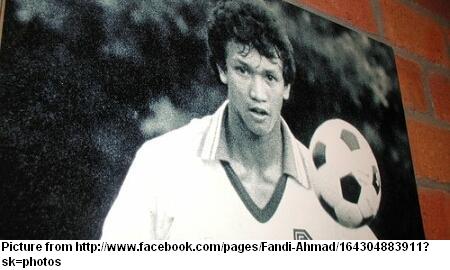
Local football fans have always been passionate and supportive of the Lions in the Malaysia Cup. The beginning of the eighties saw the rise of our favourite football son Fandi Ahmad. He established his status as a rising star in 1980 when he scored the winner in the final against Selangor, as a 18-year-old. However, Singapore would not be able to win another Malaysia Cup until 1994, but the passions of the local fans had never been lesser.
51. Mexico ‘86
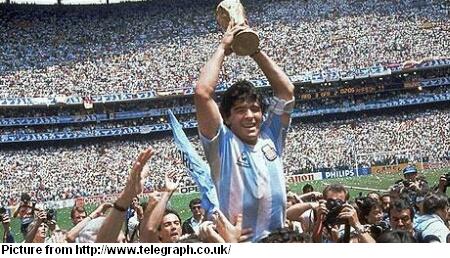
The biggest football event was also shown live on Channel 5, ensuring countless local football fans got glued to their TV screens for one month. Stars such as Lothar Matthäus, Rudi Völler, Gary Linekar and Hugo Sánchez lit up the tournament, but it was the biggest star of all, Diego Maradona, who led his Argentina team to triumph as they beat West Germany 3-2 in a thrilling final at the end of June 1986.
52. WWF
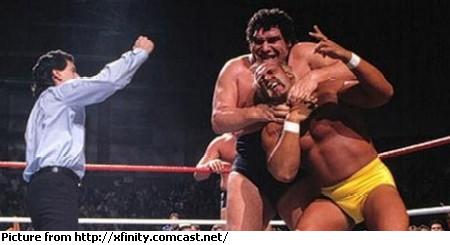
WWF (World Wrestling Federation, not World Wildlife Fund) garnered quite a number of fans when the violent and dramatic “sport” was shown on Singapore TV. It was a funny sight to see many kids trying to imitate the actions of the legendary Hulk Hogan. And the battles between Hulk Hogan, Macho Man and André the Giant at the WrestleMania and Royal Rumble were actually quite thrilling, although later we would realise they were all fake. 😀
Housing
53. Old-Styled HDB Flats
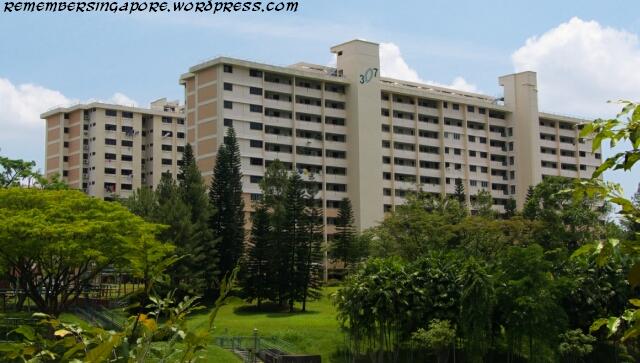
No BTO (Build-to-Order), no DBSS (Design, Build and Sell Scheme), just straighforward sales of HDB (Housing Development Board) flats for Singaporeans in the eighties. And they were considerably cheap too, costing less than $50,000 for a 3-roomed unit. Did I mention its floor space was also larger than the current new one?
The typical design of a HDB flat built in the eighties (picture above) was duplicated in the new towns of Ang Mo Kio, Clementi and Bedok. It consists of 3-roomed units, 3-1/2-roomed units, 4-roomed units and 5-roomed units (point blocks).
54. Table Tennis Tables
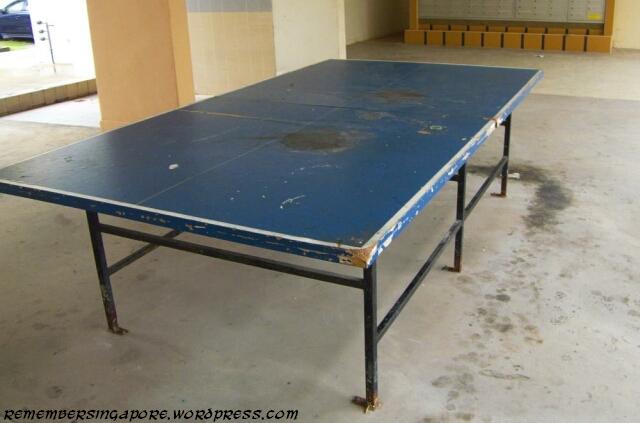
Table tennis, or ping pong, tables were part of the common installations at the void decks of flats at old estates, such as Ang Mo Kio and Hougang. They were once popular with students having a game or two after school. While the facility was free, players got to bring their net, balls and bats.
Some of these tables are still around, but I hardly see anyone playing ping pong there again.
55. Stone Tables and Benches
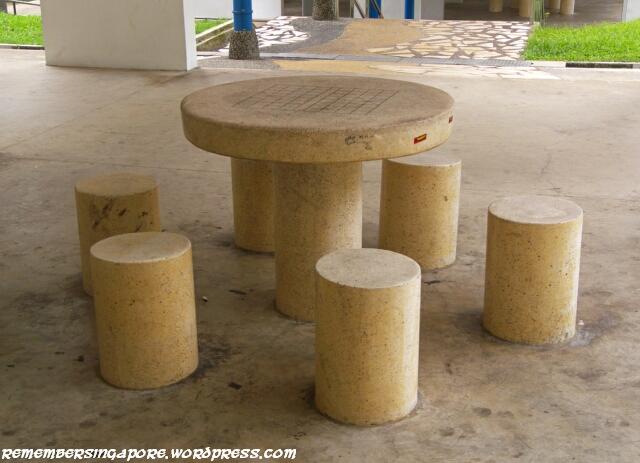
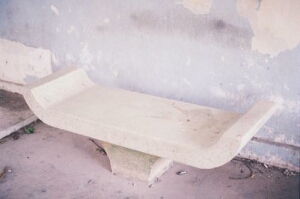 Another common facilities found at old flats, the round white stone table completed with six stone stools provided a relaxation corner for the old folks. The surface of the table was also carved with the layout of a Chinese chess or International chess. Many of these stone tables and benches became obsolete and were replaced by metal-framed ones.
Transport
56. MRT
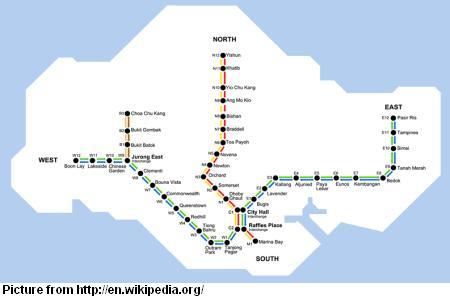
Established in 1987, it was known as MRTC (Mass Rapid Transit Corporation) then. In its early days of operation, it served only five stations (Yio Chu Kang, Ang Mo Kio, Bishan, Braddell, Toa Payoh) in the North-South Line. The system, known as SMRT since 2004, has expanded to four lines throughout Singapore. Oh yes, there was also a famous urban legend that then-Prime Minister Lee Kwan Yew approached Venerable Hong Chuan for advice about his plan of a MRT system. Two months later after the first MRT train made its maiden journey, the bagua-shaped $1 coin was introduced.
57. Trans-Island Buses
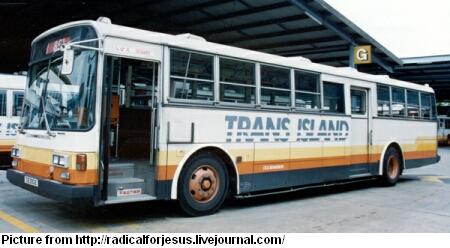
Who can forget the signature yellow-orange single-deck buses of Trans-Island Bus Services (TIBS) roaming in the northern towns of Singapore, from Woodlands to Sembawang to Yishun? The company was founded in 1982 so as to provide competition to the Singapore Bus Services (SBS). It was taken over by SMRT Corporation in 2001.
58. Yellow-Top Black Taxis
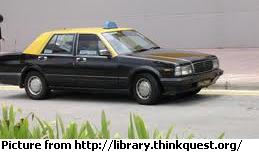 Yellow-top black taxis first appeared in Singapore in 1947. The authority stopped issuing individual taxi license in 1974, and regulations stated that taxi drivers could not continue their business once they hit the age of 73.
In the eighties and nineties, the yellow-top taxi fleet was largely made up of the models of Toyota Crown and Nissan Cedric. Currently, there are only 367 yellow-top taxis left in Singapore. The domination of taxi companies means that these individual-owned cabs will be phased out in the next couple of years. Another model, the London cabs, will also cease operation in 2012.
59. Sentosa’s Monorail
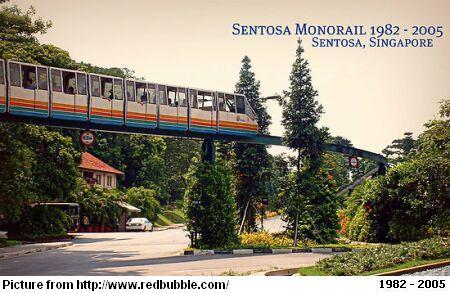
I certainly miss this slow, bumpy, non-aircon ride in Sentosa, having numerous rides during my primary school excursions… Going in a loop through seven stations, passengers could access Fort Siloso, Underwater World and Palawan Beach easily, and caught glimpses of dinosaur statues along the way. The monorail started its operation in 1982, and was replaced by Sentosa Express in 2005.
60. Corona vs Lada
The likes of Toyota Corolla, Toyota Corona, Nissan Bluebird, Honda Civic and Volkswagen Beetle were common on our streets during the eighties. But things would change in May 1990 when the government introduced the concept of Certificate of Entitlement (COE), where Singaporeans needed to pay a premium to own a car for a maximum of 10 years.
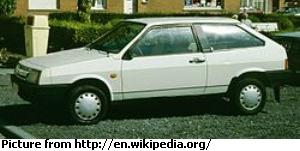 Soviet Union brand Lada (model Samara) was introduced into Singapore as a budget car at the turn of the eighties/nineties. Relatively cheap, the hatchback was, however, unreliable due to our hot climate. The brand lasted in Singapore well short of a decade. Lada Samara had the unwanted reputation of being the worst car ever to run on Singapore roads. 😀
61. Motorcycle with Sidecar
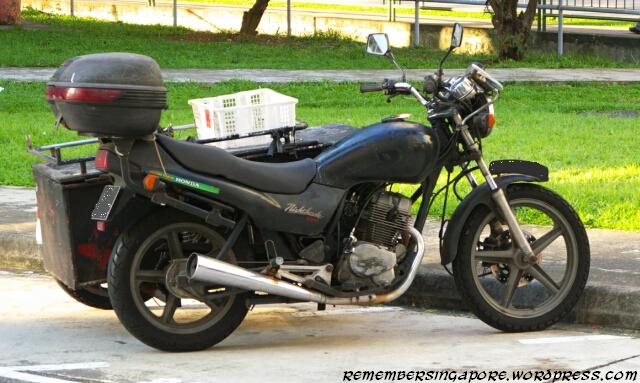
A motorcycle fitted with sidecar is not that common now as compared to 2/3 decades ago, due to the many restrictions imposed; it is not allowed to travel on an expressway, pillion is not allowed if the sidecar is meant for passenger, the motorcycle has to be registered as a goods vehicle if the sidecar is meant for carrying goods.
62. Chopper Bicycle
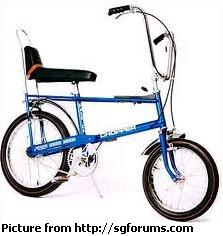 Chopper bicycles, manufactured by US bicycle-maker Raleigh and sold at least 1.5 million worldwide from 1969 to 1979, became an iconic craze in Singapore in the eighties. With its high seat, shifting gear on its main frame, and a small-front-wheel-large-rear-wheel combination, the bicycle might not look appealing to bike-lovers today, but it was every boy’s dream 30 years ago…
By the way, it was not exactly cheap too.
Communication
63. Push Button Home Phone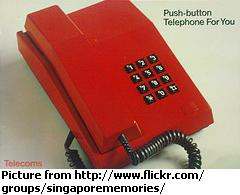
No LED screen, no incoming call display, no number saving function, no fancy ringtones.
This is Singapore’s first push button home phone by Telecoms (former body of SingTel), simple, hardy and durable. It was introduced in 1979, replacing the old rotary dial phone.
64. Orange Public Coin Phone
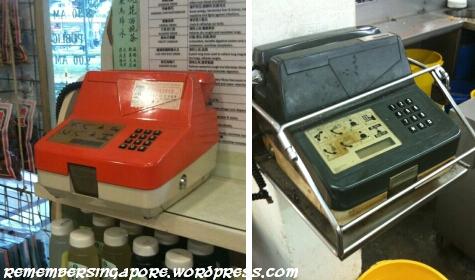
Orange 10c-coin phone were commonly used in the past as a source of side income by shops or kopitiam. They can still be found today, with some versions in black colour, which is a clear evidence of their reliability.
65. Motorola Pager and Call Zone Phone
 Motorola developed their first pager in 1959, and pagers began to find popularity since 1980. In 1990, Motorola’s Bravo numeric pager stormed the market, and would later became the world’s best selling pager. Almost a symbol of status, many guys loved to clip one at the side of their pants, and it was not uncommon to hear someone shouted “siang kar pager?” at a public payphone.
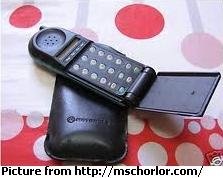 Ok, the call zone phone marketed by SingTel was not a product of the eighties. It was introduced in 1992 and lasted only five years, till 1997. To make a call, you had to find a designated call zone area, pull up the antenna and try to find the signal. And the payphone was just nearby.
Technology
66. Creative Cubic 99 and Sound Blaster
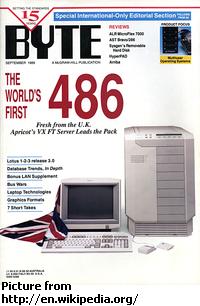
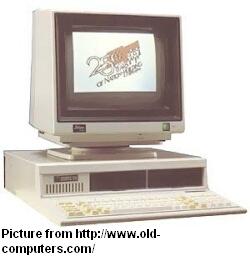 Our home-grown tech company Creative Technology was set up by Sim Wong Hoo and Ng Kai Wai in 1981, initially as a small store in a shopping mall, selling computers and providing training services. Their big break came in 1984 when they launched dual-processor Cubic 99, which had enabled voice synthesis and sound playback function.
 The Creative Music System was released in 1987. Its successor The Sound Blaster was launched two years later. This would lead to the audio revolution in the PC (Personal Computer) world, especially for gamers, for more than a decade.
67. DOS
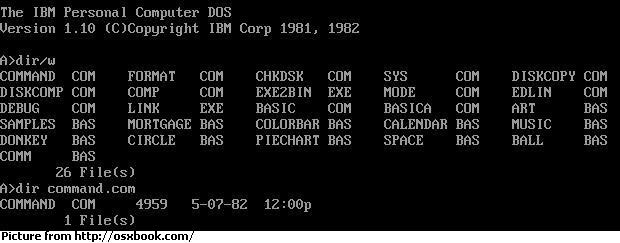
Black screen, white words, endless commands… DOS (Disk Operating System) was the main operating system for PC before the domination of Microsoft Windows.
To access a program, one had to go to the C:\ Drive, type in “dir/w” and then choose the file with the “.exe” extension. I remember in old SBC dramas, the actors/actresses loved to use the command of “dir/w/s” to make rapid scrolling of the directories in their computers, in order to create a busy and serious impression. 😀
68. Floppy Disks
5-1/4 inch floppy disk belonged to the days when children bought simple DOS games from Funan. Since it was introduced in 1976, the disk evolved from a capacity of 110kb to 1.2Mb, and from single-sided to double-sided. It was quickly replaced by the 3-1/2 inch 1.44Mb disk, commonly used throughout the eighties.
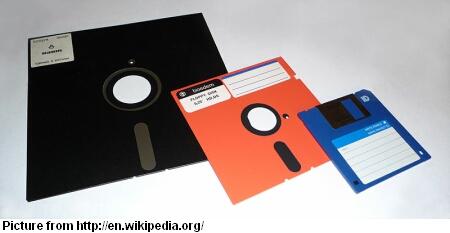
Another disk worth mentioning was the Zip Disk of the mid-nineties, which had 100 to 750Mb of space, considered a luxury during that era. All these, however, were eliminated by rewritable CDs, DVDs, thumbdrives and external harddisks.
PC Games
69. Koei Games (1988, 1989)
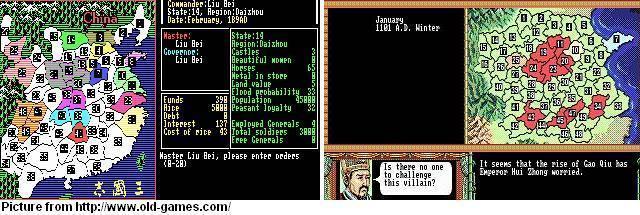
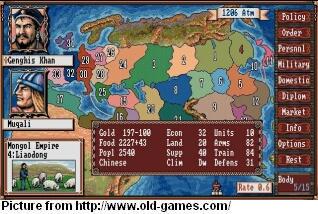
Romance of the Three Kingdoms (RTK) series, Bandit Kings of Ancient China, Genghis Khan and Unchartered Waters were some of the most popular classic games from Koei, a Japanese PC historical and strategic game developer. Able to be saved in just one 3-1/2 inch disk, RTK I and II were released in 1988 and 1989 respectively. In the same years, Koei launched Genghis Khan and Bandit Kings with great success. Like elsewhere in Japan and Taiwan, Koei games had large following here, who would visit Funan regularly for updated versions of the games.
70. Prince of Persia (1989)
 A role-playing PC game developed for Apple II, its graphics was a big jump in the standard and quality of animation towards the end of the eighties.
Under a limited time, the player need to fight the enemies, avoid traps, jump over obstacles and save the princess locked in the palace tower.
71. Lakers Vs. Celtics (1989)
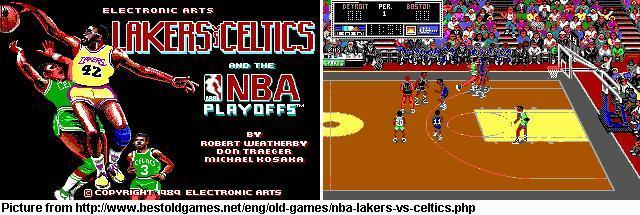
This product from Electronic Arts (EA) was a masterpiece, featuring realistic gameplays and recognisable players (considered very good animation during that era). Each player had his strength and signature movement; eg. Kareem Abdul-Jabbar could make a skyhook, Isiah Thomas drove into the lane to layup, Larry Bird and Magic Johnson had high accuracy in three-pointers. The game also produced beep-beep sounds through the PC speaker, good enough for the standard of the eighties!
Video Games
72. Electronic Handheld Games (Game & Watch)

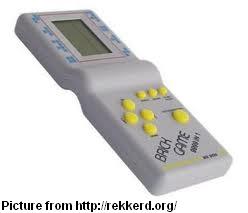
These electronic handheld games were simple yet challenging. The player had to get as many points as he could in a limited time. They came in different versions too, namely Popeye, octopus and parachute.
73. Nintendo’s Super Mario Bros. (1985)
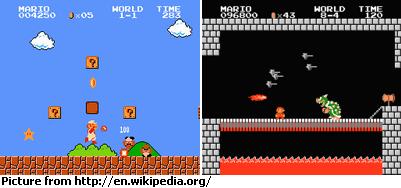
The most successful video game for more than 20 years since 1985, Super Mario Bros. by Nintendo had charmed countless of kids, and even some adults. Eight gameworlds with four sub-levels each, it provided many hours of fun as the player led Mario through the Mushroom Kingdom to save the princess.
74. Casio’s Western Bar
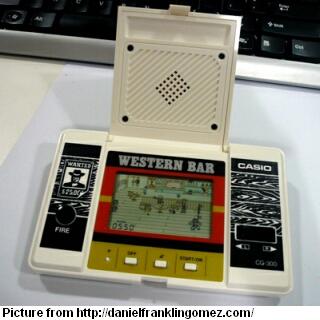 The handheld game Western Bar from Casio was a big hit in the eighties. The sound effects were excellent, with realistic gunshot sounds and cowboy-styled music.
You played as the drunken sheriff, shooting at the beer bottles the bartender threw, dodging the ashtrays thrown by the bar’s customers and had a shootout with the bandits with dynamites.
One of the many excellent products from Casio, other than watches.
75. Racing Simulator Game
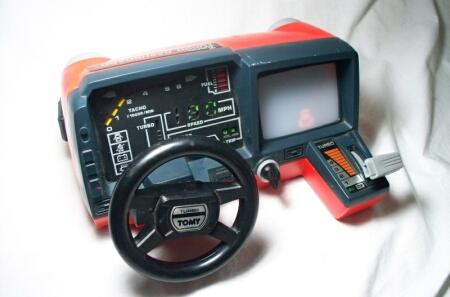
Considered a high tech game then, it had steering wheel, engine key, gears as well as a screen showing the directions of the simulated racing car. Came with adrenaline-rushing engine sounds too. Definitely a dream toy for the boys.
Books
76. Enid Blyton
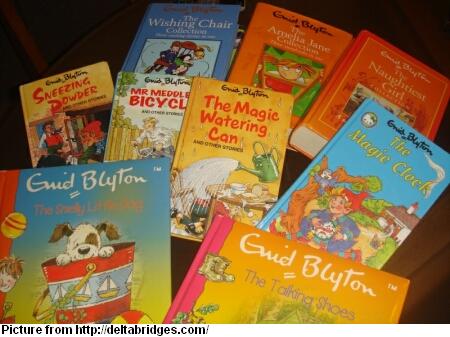 Enid Blyton storybooks were so popular in the eighties that few children of that era would not have heard of the name. She was a British novelist (1897 – 1968) who specialised in writing stories of adventures, fantasy and magic for children. Over 600 million copies of her work sold worldwide, especially the Commonwealth countries.
Do they still read these nowadays?
77. The Hardy Boys and Nancy Drew
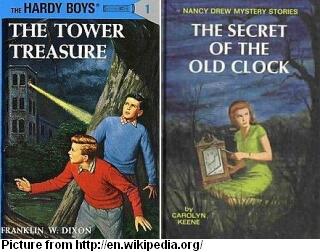 Thrilling adventures, mysteries-solving, detective-inspired… No wonder so many young boys were hooked to The Hardy Boys. The stories could get a little violent sometimes.
The creator of the novels, American publisher Edward Sratemeyer, did not forget writing exciting detective stories for the young girls too, which was Nancy Drew.
78. True Singapore Ghost Stories
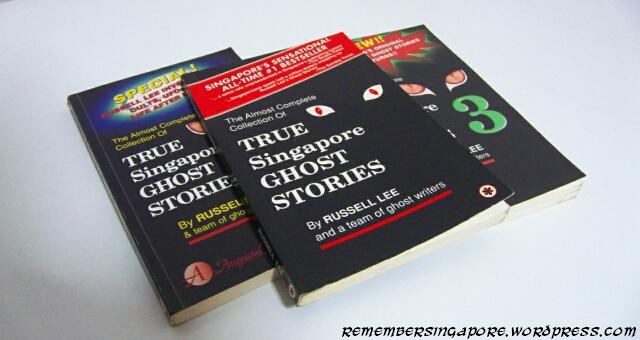
Written by the mysterious Russell Lee, the series of The Almost Complete Collection of True Singapore Ghost Stories consists of 21 editions, spanning more than 20 years. The supernatural stories had ranged from local folktales to foreign myths, and were extremely popular among the students. The first edition is Singapore’s all-time bestseller, released in 1989.
Comics
They said comic books, not text books, are a student’s best friends. 😉
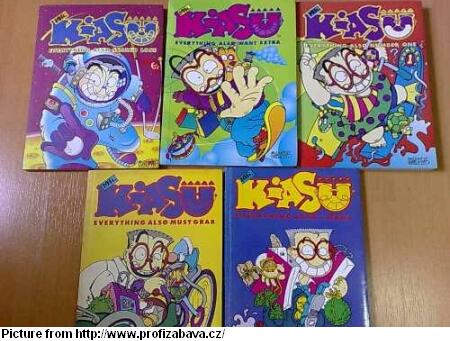
79. Lao Fu Zhi (Old Master Q)
Hands up, who used to read Lao Fu Zi 老夫子 while having his hair cut at the barber when he was young? Ok, I admit I did.
Created by Hong Kong cartoonist Alfonso Wong (王澤) in 1962, the images of old-fashioned duo Old Master Q and his buddy Big Potato have left deep impressions in many Chinese communities, including Singapore, for decades. The long-running comic still survives till this day, although its influence and popularity have been shadowed by the domination of Japanese manga since the nineties.
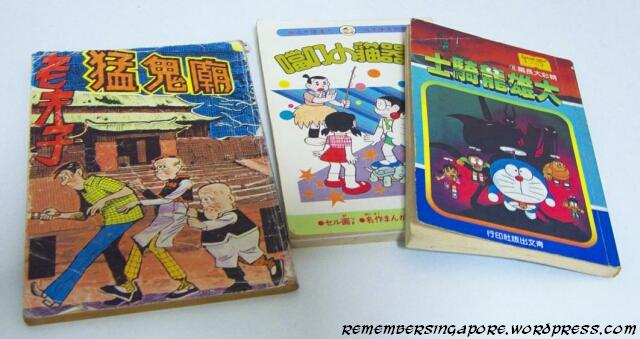
80. Xiao Ding Dang
Definitely the kids’ favourite cat-robot. Xiao Ding Dang 小叮噹, which was preferably called before it was changed back its original name Doraemon, has an all-powerful cyber pocket which it can pull out many amazing gadgets to help his weak owner Nobita Nobi (大雄), who was always bullied by Takeshi Goda (技安) and Suneo Honekawa (阿福).
Created by Fujiko Fujio (藤子不二雄) in 1969, the anime was extremely popular in Taiwan, which were later introduced and sold in Singapore. The comics and cartoon series were all in traditional Chinese; the first English translation was done in 1994 by Singapore Press Holdings.
81. The Adventures of Tin Tin
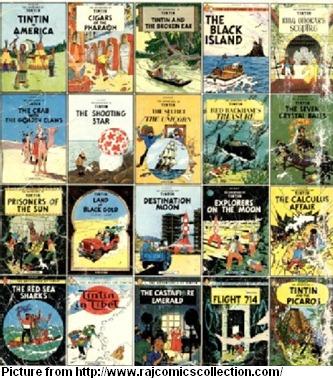 The Adventure of Tin Tin was a classic Belgian comic book published from 1929 to 1976. In the comics, Tin Tin was an adventurous Belgian reporter who always encountered difficulties in his explorations, accompanied by his faithful terrier dog Snowy.
There were a total of 24 titles, with book 10 the first to be originally published in full colours. I remember the library at my primary school had most, if not the complete set, and were one of the most sought after reading materials among the students.
Cartoons & Toys
Everyday after school, I’d religiously on the TV at 6:30pm to watch my favourite cartoon Transformers. During the eighties, SBC imported many cartoons series from the United States and Japan. Many of the cartoons lasted only 30 minutes per episode, but that was enough to make many children satisfied.
Many of the cartoon series, such as Transformers, M.A.S.K. and He-Man, had their toys selling like hot cakes.
82. Transformers (1984)
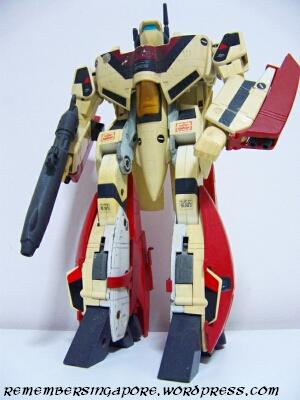
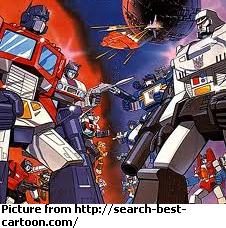 A creation by the United States’ Hasbro and Japan’s Takara Tomy, Transformers was perhaps the most successful entertainment franchise that had its hand in toys, cartoons, movies, video games and comic books.
The stories of endless battles between the heroic Autobots against their evil alien robot counterparts Decepticons, and their abilities to transform from robots to cars, planes, guns, even a walkman, make the Transfomers the number one toys on many boys’ wishlists. Optimus Prime, Bumblebee, Megatron, Starscream and Soundwave were the most popular of all.
83. M.A.S.K. (1985)
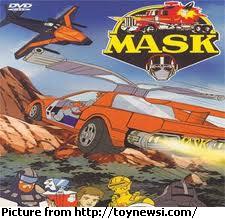 The cartoon M.A.S.K (Mobile Armoured Strike Kommand) was the product of a co-operation of Japan, French and American studios. The story was about a special task force with special helmets and transformable vehicles, battling against the criminal organisation V.E.N.O.M. (Vicious Evil Network Of Mayhem).
The car-turns-plane Thunderhawk was perhaps the most popular M.A.S.K. toy, while I remember the bike-turns-helicopter Condor was the cheapest toy among all.
84. The Smurfs
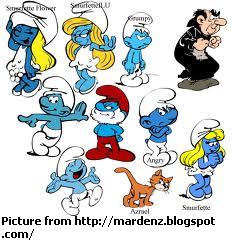 The Smurfs are weird little blue creatures created by Belgian cartoonist in 1958. American media network NBC (National Broadcasting Company) first aired the cartoon series in 1981, and it turned out to be quite popular. Singapore imported the cartoon after the mid-eighties.
There are over a hundred characters in The Smurfs, some of the better known ones are Papa, Brainy, Jokey and Smurfette. The villain is the evil wizard Gargamel and his pet cat Azrael.
85. He-Man and the Masters of the Universe (1983)
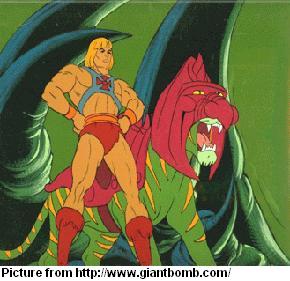 Portrayed as the most powerful man in the universe, this creation by Mattel started early in 1976 and became popular in the early eighties. He-Man was a barbaric warrior known as Prince Adam, who was able to transform into the powerful He-Man by simply raising his sword and shouted: “By the power of Gray Skull, I have the power!”. During the transformation, his timid cat Cringer also turned into a courageous battle tiger. The villain in the cartoon was a skull-faced warrior called Skeletor.
86. Care Bears (1983)
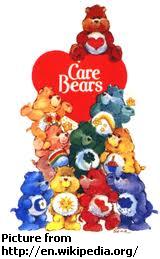 Teddy bears are cute, but Care Bears were even more charming, at least to the kids. Each bear had a colour, character and ability of his/her own, and when combined, the powers from their bellies was strong enough to thwart any evil plans from No Heart, the main villain. The first TV cartoon series was released in 1983, followed by its first film, The Care Bears Movie, in 1985. Both were big hits. Within several years, 40 million Care Bears dolls were sold worldwide.
In the later versions, other animals were added to the big family of Care Bears, including a lion, elephant, pig and lamb.
87. My Little Pony ‘n Friends (1984)
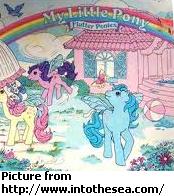 This pony toy, with long comb-able mane, was perhaps the girls’ favourite after the Barbie dolls. The cartoon was produced in 1984 but its series lasted only three years.
It was about Ponyland, where a group of magical ponies, unicorns and Pegasuses fought against the witches and goblins who tried every means to enslave them.
88. The Centurions (1985)
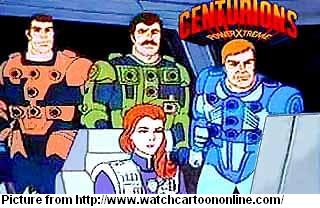
An American cartoon series started in 1985. The science fiction cartoon was about how a team of heroic centurions trying to save the world from an evil cyborg and his army. The series lasted only two years.
89. ThunderCats, SilverHawks and TigerSharks (1985 – 1987)
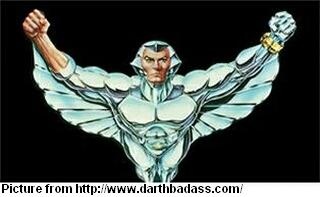 This American cartoon consists of three series, ThunderCats (released in 1985), Silverhawks (1986) and TigerSharks (1987). ThunderCats was about a team of cat-humanoid aliens, while SilverHawks were some heroic figures with bionic bodies. Members of the TigerSharks had special devices which could transform them into marine forms.
90. Scooby-Doo
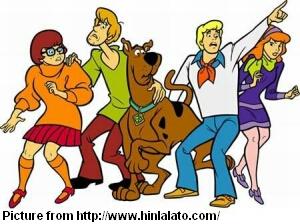 A long-lasting American cartoon series, created in 1969, that featured a large talking Dane called Scooby-Doo (which always went “scooby-scooby-doo” at the end of the cartoon) and four characters (Fred Jones, Daphne Blake, Velma Dinkley, and Norville “Shaggy” Rogers). The storyline largely revolved around supernatural encounters and mystery-solving.
91. Teenage Mutant Ninja Turtles (1987)
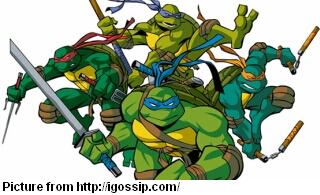 Incredibly innovative, this was a cartoon series about four mutated turtles who were named after Renaissance artists (Leonardo, Raphael, Donatello, Michelangelo) and had a sewage rat as their teacher. Teenage Mutant Ninja Turtles were first created in a comic in 1984, and it was three years later when they were introduced in animation on TV. The series got so popular that toys, video games and movies soon followed.
92. Mickey Mouse and Donald Duck
 The creations by Walt Disney (1928 and 1934 respectively), these two lovable cartoon characters have been famous and popular among children even till this day. The duo are joined by other Disney characters in Minnie Mouse, Groofy, Pluto, Scrooge McDuck and little ducklings Huey, Dewey and Louie.
93. Disney’s Adventures of the Gummi Bears (1985)
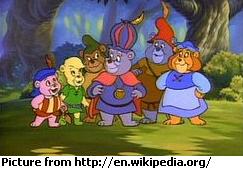 Cute cartoon which was shown in Singapore in the late eighties, although it debuted in the United States in 1985. It was about a group of underground-living bears who made friends with a human boy and a princess. The fun part of the cartoon was that the bears could hop at great heights after consuming their specialised Gummiberry juice. The theme song was nice too.
Campaigns & Policies
94. Dialect Names vs Hanyu Pinyin Names
Most Singaporean Chinese born before 1980 have their names registered in dialects, such as the surname of Chen 陈, is varied in Tan, Chan or Chin, depending on the dialect of that person. That method changed in the eighties when hanyu pinyin names were encouraged for usage. Some have full hanyu pinyin names, others have mixed (such as dialect surnames with hanyu pinyin names).
Suddenly there are more people with the same names (with the variations in dialects removed), as seen in the NS (National Service). And it is more difficult to differentiate between a Singaporean Chinese and a China Chinese now, based on their names. 😀
95. Speak Mandarin Campaign
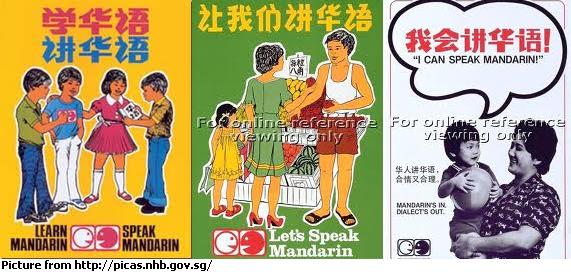
Launched in 1979, the Speak Mandarin Campaign (SMC) was to encourage Singaporean Chinese to switch from dialects to Mandarin. Hawkers, public transport workers, white-collar executives were specifically targeted for the campaign from 1982 onwards. Although the campaign was successful in reducing the usage of dialects, studies showed that Mandarin was losing ground among the people. In 1991, the objective of the campaign was changed to encourage English-speaking Singaporean Chinese to use Mandarin more often.
Who still remember the campaign’s theme song by Tracy Huang 黄莺莺?: “国家要进步, 语言要沟通, 就从今天起, 大家说华语. 不分男和女, 不分老和少, 不再用方言, 大家说华语. 听一听, 记一记, 开口说几句; 多亲切, 多便利, 简单又容易.”
96. Stop at Two Policy
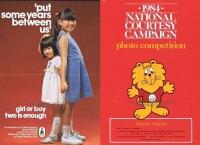
In 1969, then-Prime Minister Lee Kuan Yew launched a “Stop at Two” policy, fearing a rapid growing population might give the economy extra burden. Late marriages were encouraged, and couples were advised to stop trying for a boy if they already had two daughters. Abortion and sterilisation were legalised and social and work benefits were reduced for those with three children or more.
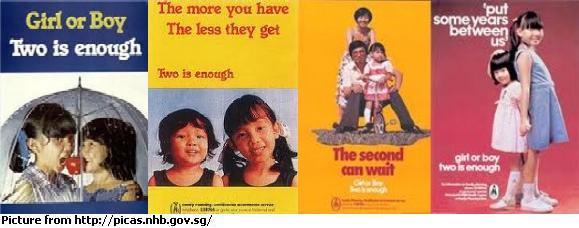
Throughout the seventies and eighties, this campaign had a lasting and widespread effect in Singapore. Today, the government has totally reversed the policy as the issue of aging population bothers our island now. In their attempt to tackle the issue, more problems are created with the recent foreigner and immigrant policies.
97. National Courtesy Campaign
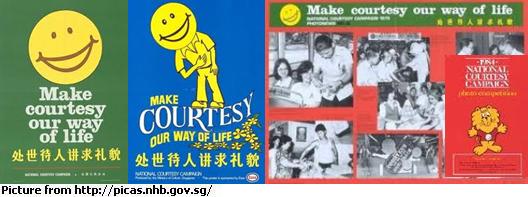
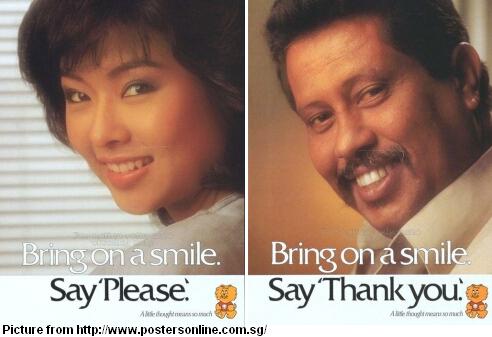
Also launched by Lee Kuan Yew, the National Courtesy Campaign started in 1979 as a campaign to encourage politeness to tourists when Singapore was thriving to boost its tourism sector. The campaign was soon introduced as nationwide for daily life, in a bid to build a caring, courteous and civil-minded society. The smiley face was replaced by the iconic Singa in 1982.
98. Keep Singapore Clean Campaign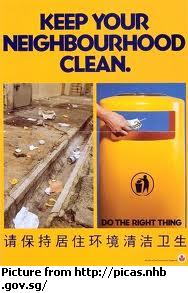
Yet another successful campaign by Lee Kuan Yew, the aim of Keep Singapore Clean Campaign, launched in 1968, was to build a clean and green nation, raise the standard of living conditions and make it look appealing to foreign investment and tourists.
Hygiene was emphasized and littering and spitting were largely discouraged. Competitions between the cleanest and dirtiest estates, schools and shops were organised. In the eighties, the motto of the campaign was ‘Singapore is Our Home – Let’s Keep It Clean and Beautiful”.
Army Stuff
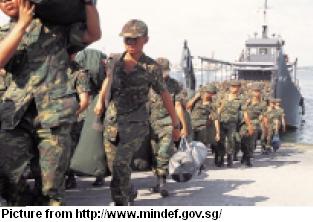
99. From Temasek Green To Camouflaged
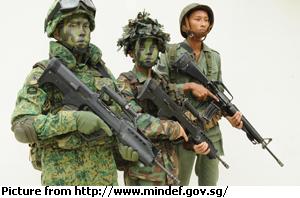 The Singapore Armed Forces (SAF) was officially formed in 1961, taking the shape of former bodies Singapore Volunteer Force and Singapore Military Force. The uniform for the military personnel was known as Temasek Green, a dull plain green-coloured clothing that needed to be starched hard and stiff during the parades.
In 1985, SAF introduced the camouflaged No. 4 uniforms with velcro and more pockets. The material used was considered more adaptable in our hot climate and its appearance could blend easily with the vegetation. The third generation SAF combat uniform, the pixelised one, was introduced in 2009.
100. NCC Badges
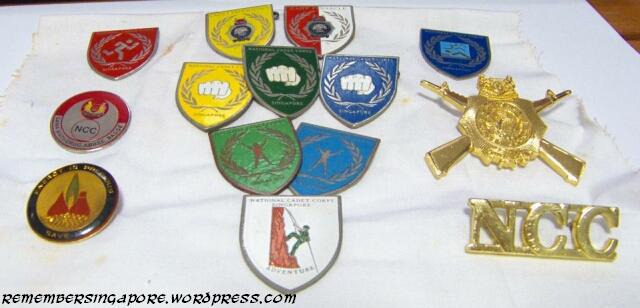
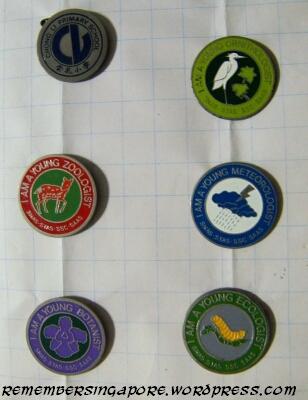
These are some of the NCC (National Cadet Corps) badges that a NCC cadet could earn in the late eighties to early nineties, such as the NAPFA (National Physical Fitness Award) physical fitness badges, swimming test, marksmanship, Taekwondo coloured levels, the cadet proficiency and camp pinnacle badges. I’m sure some of the badges would be obsolete by now, and newer ones are added.
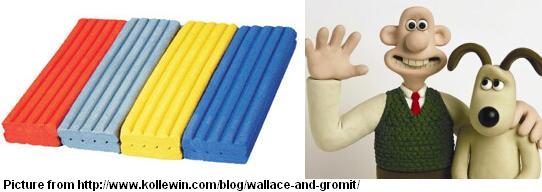
There are a lot of more stuff which I have missed out, such as plasticine, Good Citizens 好公民 and Moral Education textbooks, Lafuma bags, G.I. Joe cartoon, Ladybird storybooks, blue Singapore passport that allowed direct entry to Malaysia, and many others. But I shall stick to this list for the time being.
Proceed to 100 Things We Love About The 80s (Part 2)
Published: 08 November 2011
Updated: 26 August 2013

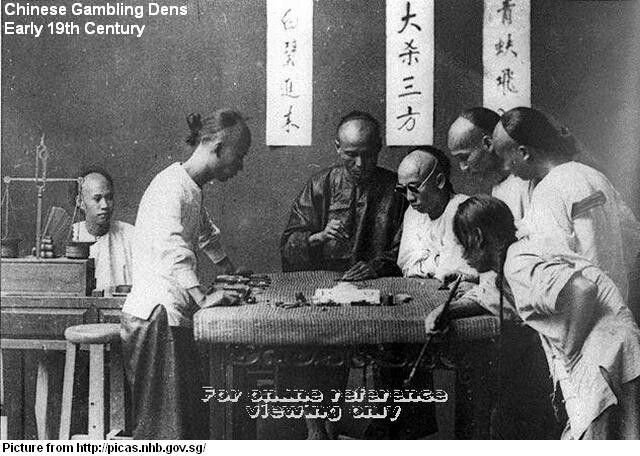
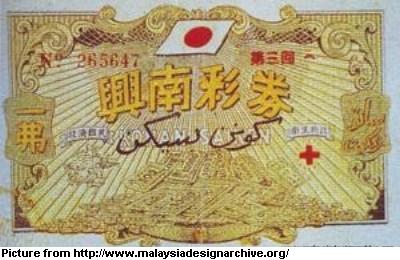 During the Japanese Occupation, all sorts of gambling were unofficially allowed. The Japanese even introduced a lottery called Konan Saiken, Singapore’s first ever state lottery, in 1942 to raise revenue for their administration. With the top prize of $50,000, each ticket cost $1 and all civil employees were required to buy.

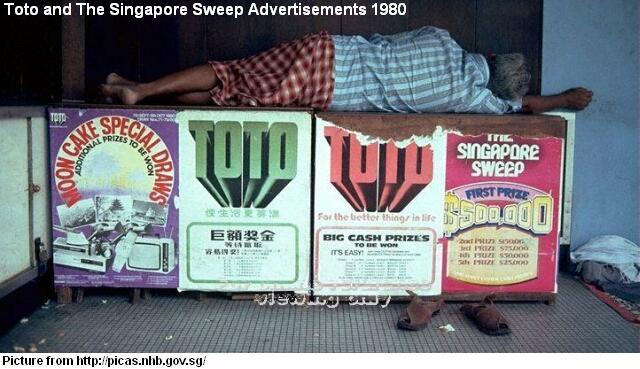

 By the 2000s, Singapore Pools had expanded in many sectors, including a scratch-and-win game called Scratchit!, system roll and iBet in 4D, telephone betting through PoolzConnect and betting in Formula One racing. Today, there are more than 280 Singapore Pools outlets in almost every corners of Singapore.







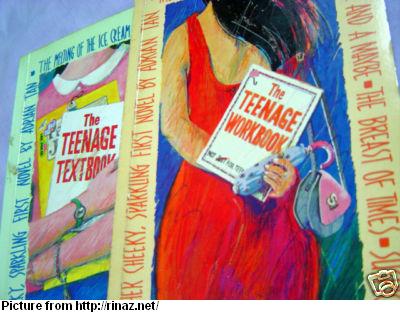
 The Bookworm Club was established in 1984 to encourage reading among the children. Many primary school students became its members, charmed by their short story series and the Young Generation magazines.
 When you saw this screen, it’s either there was a lost transmission in the TV programs or it was time for you to sleep.







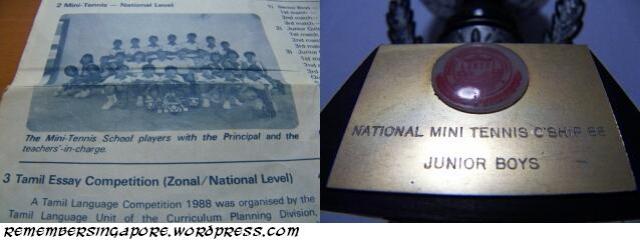
 Junie Sng Poh Leng 孙宝玲 became instant Singapore hero when she won two gold and a silver medal in the 8th Asian Games (1978), at an age of only 14. In clinching the 400m and 800m race, Julie Sng not only beat the favourite Japanese swimmers, but also became
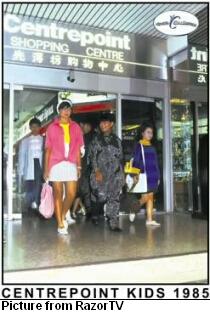 activities such as glue-sniffing, shoplifting and gang fights.
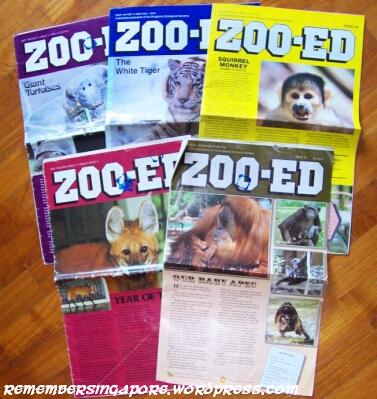
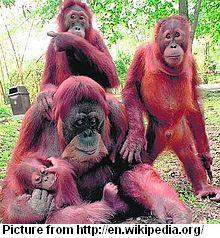 All children loved Ah Meng. She was the icon of Singapore Zoo and arguably the most famous animal in Singapore. Although she was recused from illegal smuggling, Ah Meng, a Sumatran orangutan, was relatively approachable by humans. A popular “Breakfast with Ah Meng” event was organised by the zoo in the eighties.
 Established in 1830, this 170-year-old department store and supermarket, located at Raffles City, was forced to close in 2000 due to the bankruptcy of its parent company in Japan. SOGO has operated in Singapore since 1986.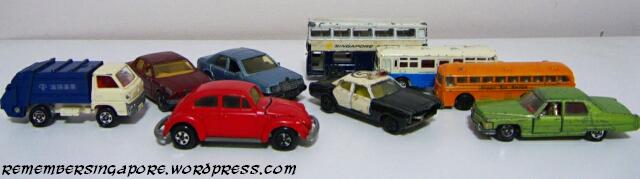

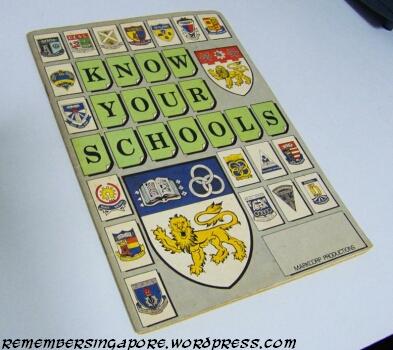



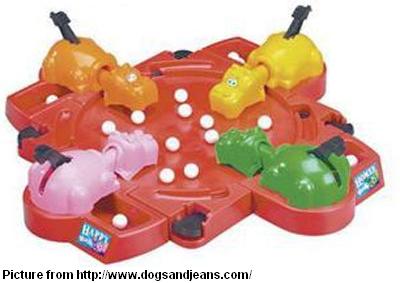
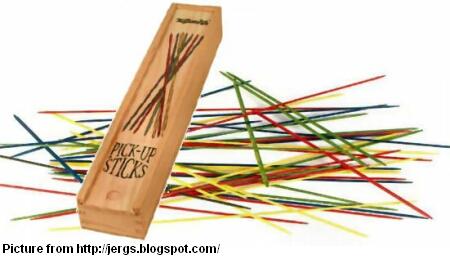
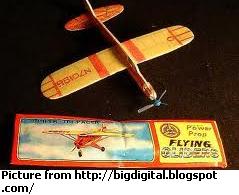
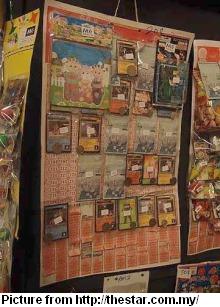

 Shell-sponsored road safety and traffic games had been organised since 1958. The park was initially located at Kallang, and had moved to East Coast in 1981. Students were encouraged to try out the games in order to raise their awareness on road safety.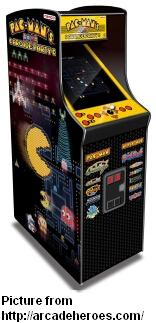
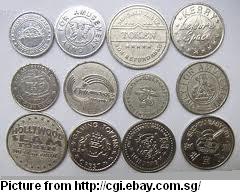 Parklane, Hougang, Ang Mo Kio… Arcade saloons opened one after another in the heartlands of the neighbourhoods, and they began with an affordable price of 20c per game.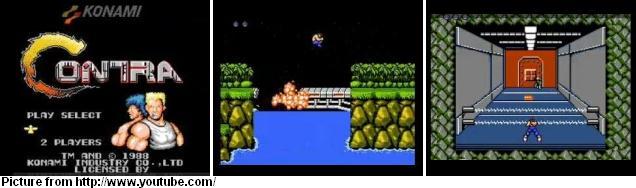


 There was a time when it deemed to be cool and stylish to carry a big old cassette tape player, powered by a series of large batteries, on your shoulders, walking around or lingering in the void decks blasting loud Western music. Not me, I never did that.
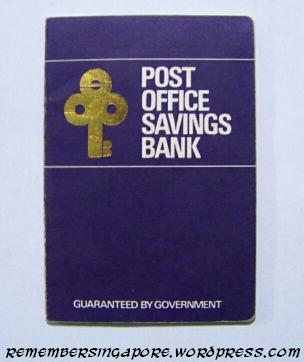

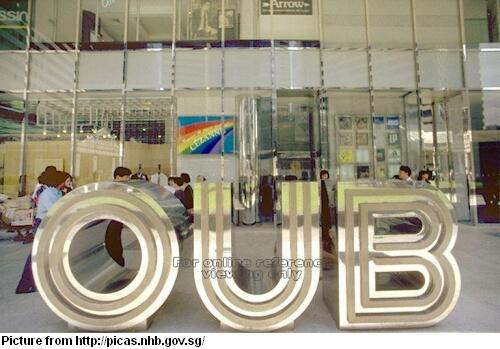
 In the eighties, there were certainly more saving and investment options in the number of banks for Singaporeans. OUB (Overseas Union Bank Limited), Tat Lee Bank, Keppel Bank, Chung Khiaw Bank were some of those that did not exist anymore today as they were being merged or took over by OUB (United Overseas Bank Limited) and OCBC (Oversea-Chinese Bank Corporation Limited).




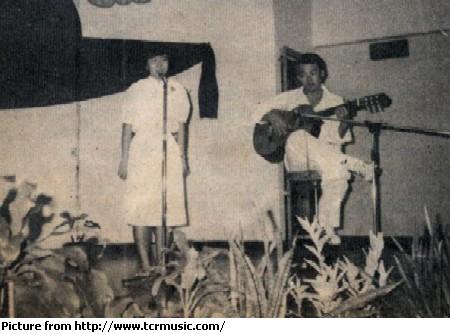

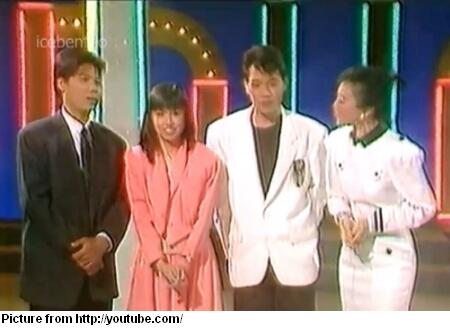
 United Overseas Bank Limited (UOB) was started as United Chinese Bank (UCB) by Sarawak-born Datuk Wee Kheng Chiang in 1935. The bank, in the effort to open its first branch in Hong Kong in 1965, renamed itself as UOB due to a similar name of another bank in Hong Kong. It, however, retained its Chinese name as “Tye Hwa”.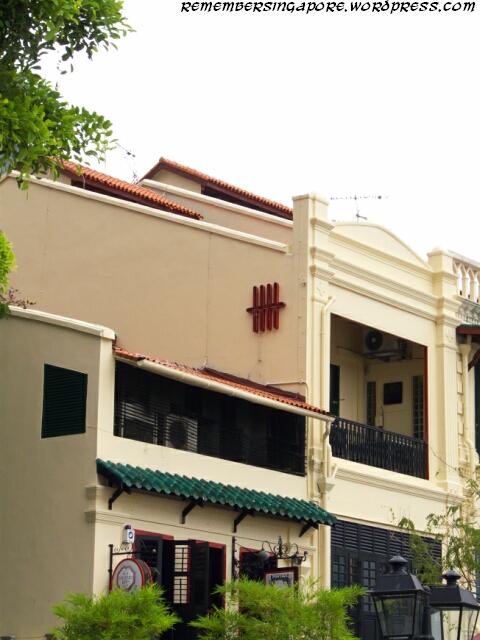
 The Development Bank of Singapore Limited (DBS) was established in 1968 as Singapore’s development bank, in order to help the nation develop its economy during the difficult times after independence. It also played an important financial role in Singapore’s direction towards industrialisation.
 Oversea-Chinese Bank Corporation Limited (OCBC) was the product of the merging of three Hokkien banks in 1932, namely Chinese Commercial Bank Limited (which was set up by local businessman Lee Choon Guan in 1912), Ho Hong Bank Limited and Oversea-Chinese Bank Limited.
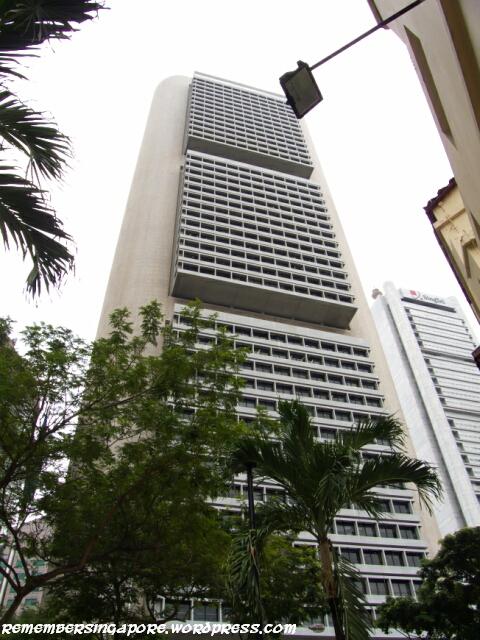 In 1948, OCBC introduced an innovative night safe system to allow customers to make deposits at night.
 The Monetary Authority of Singapore (MAS) acts as the central bank of Singapore. It came into effect on the first day of 1971, in order to regulate the banking and financial sectors.
 The British colonial government set up Post Office Savings Bank (POSB) on 1st January 1877 at the General Post Office Building. Hugely popular prior the fifties, it was however experiencing a decline after 1955.
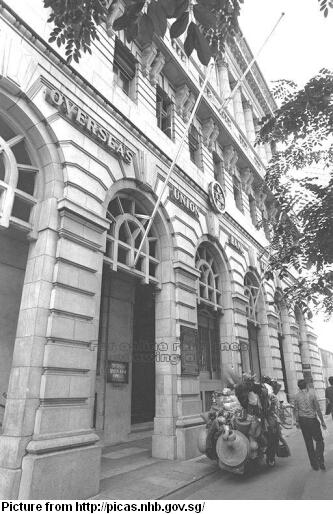 Overseas Union Bank Limited (OUB)
  At its beginning, the bank had a paid-up capital of S$2 million and 27 staff. Despite the difficulties at the start, the bank grew rapidly and by the mid-fifties, OUB was already expanding overseas in Hong Kong, Tokyo and London. In 1973, OUB became the first Singapore bank to establish its branch in New York.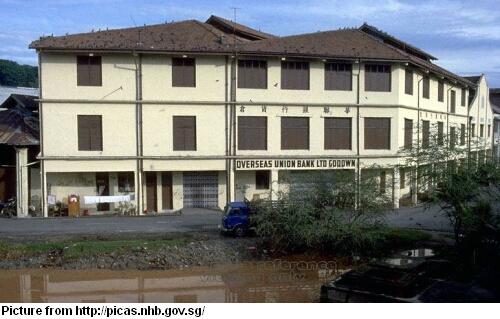
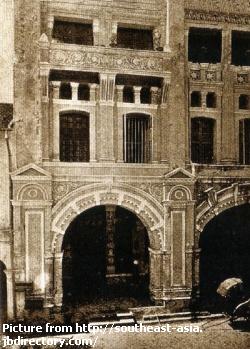 It was not until 16th December 1903 that the first local bank was founded by Cantonese Wong Ah Fook (well-known businessman in Singapore and Malaysia, with Johor street Jalan Wong Ah Fook named after him) with a paid-up capital of S$850,000. It was known as Kwong Yik Bank (literally means “Cantonese profiting bank”), but it did not last long as it collapsed a decade later due to financial difficulties, resulting in a bank run.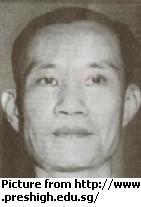
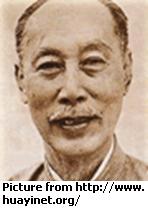 Blessed with good reputation due to its reliability during financial crisis, the Teochew-styled bank expanded into Thailand and Hong Kong in its early days. Respectable Teochew community leader Lee Wee Nam (1881–1964) (right) was once its chairman in 1932. Another Teochew leader Tan Siak Kew (1903–1977) (left), also Singapore’s first ambassador to Thailand, was Sze Hai Tong’s chairman in 1962.
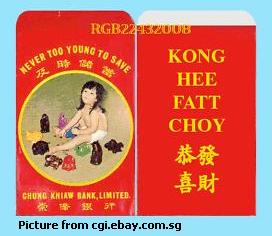 The famous Aw family (owner of Tiger Balm and Haw Par Villa) was the first to set up a bank after the war. Its Chung Khiaw Bank (CKB), opened in 1947, targeted ordinary folks and the middle-class families, and its innovative introduction of “piggy coin banks” was hugely popular during that era. It also transformed the culture of local Chinese banks, where they usually catered for a certain dialect group, to a more broad-based multiracial clientele.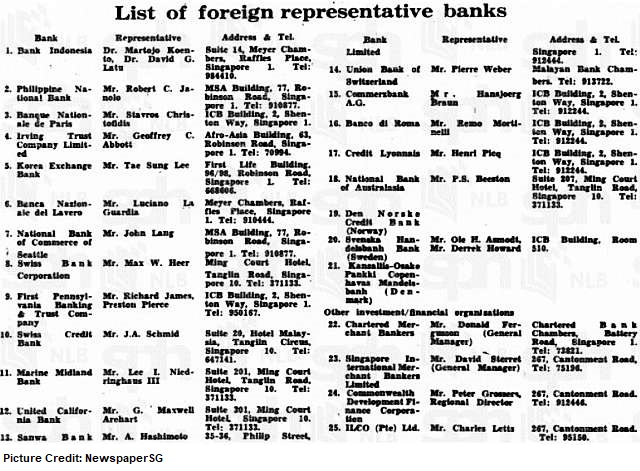
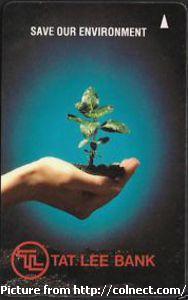 In 1973, Goh Tjoei Kok realised his dream with an investment of $36 million to set up Tat Lee Bank. It was officially opened in February 1975 to be in line with the government’s promotion of Singapore as a regional and international financial hub.















 Remember Singapore