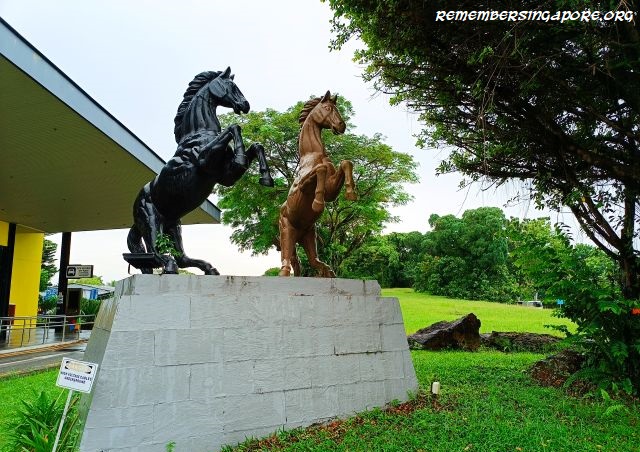
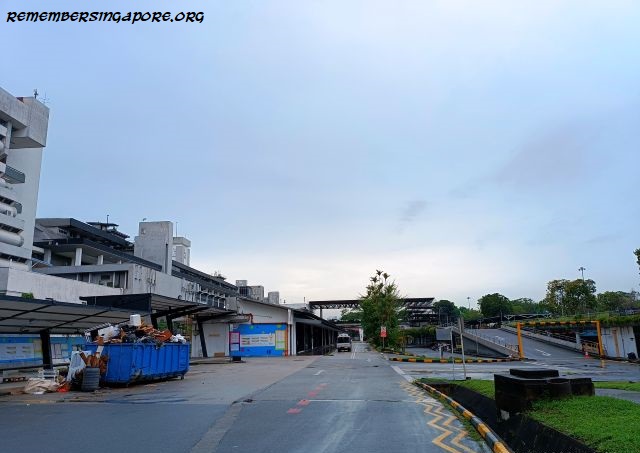
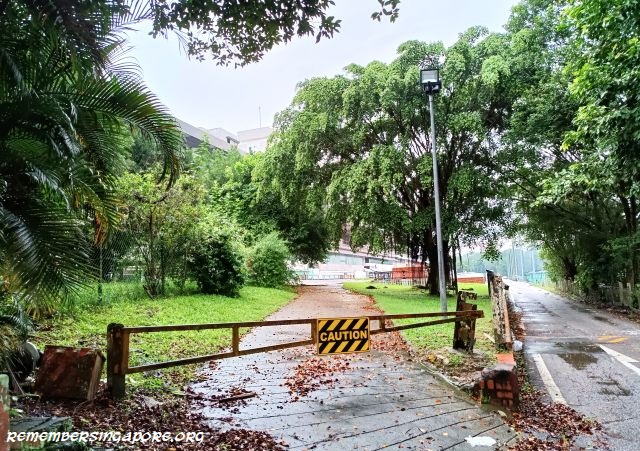
Turf City was officially closed on 31 December 2023, after a brief history that lasted slightly more than two decades. It had been existing on borrowed time, as the site was safeguarded for future residential use since the Master Plan 1998, according to Urban Redevelopment Authority (URA).
On 22 September 2022, the Land Transport Authority (LTA) announced that the new Cross Island Line’s (CRL) will have six stations, and one of them, Turf City Station, will be constructed under the former racetracks and fields. That began the countdown for the closure of Turf City.
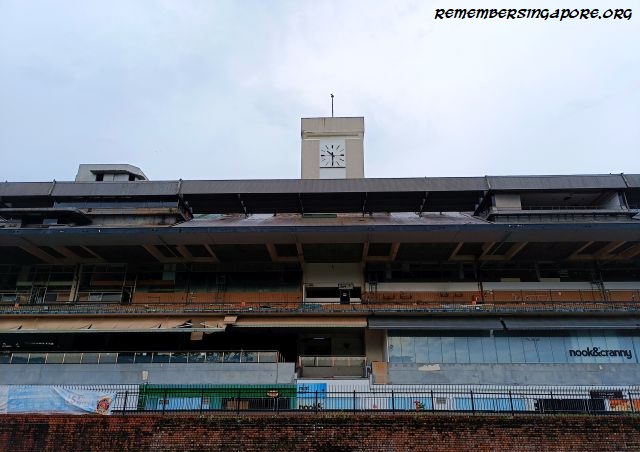
Turf City consisted of a large 150-hectare open space, about the size of 200 football fields, that was built at the former racecourse of the Bukit Timah Turf Club (1933-1999). When the Turf Club was relocated to Kranji in 1999, the site was handed over to the Singapore Land Authority (SLA), which went on to manage the premises for 24 years until its closure in end-2023.
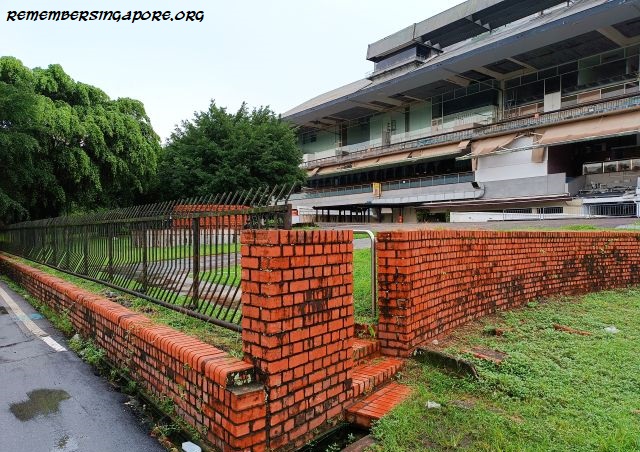
The old Turf Club grandstand was extensively renovated in 2001 with a $20-million budget, promising to become a megamall with anchor tenants and specialty shops. A massive used car dealing centre was also established to rival the motor hubs at Kampong Ubi and Leng Kee Road.

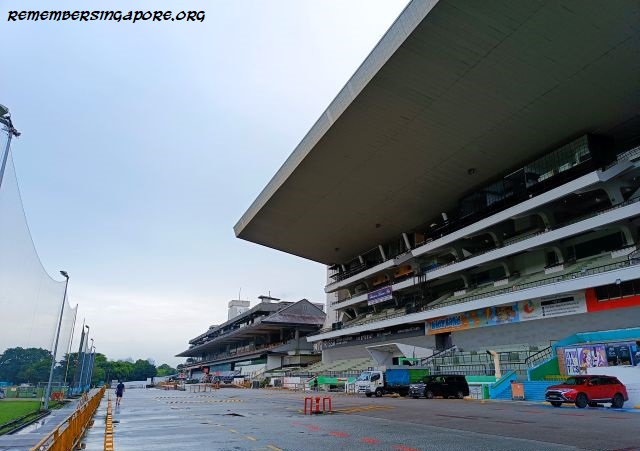
After the completion of its renovations, Turf City had a soft opening to the public as some of its larger tenants moved in. Giant Superstore extended its presence in Singapore with the opening of a second hypermarket at Turf City in December 2001. It had earlier successfully launched at IMM in 1999.
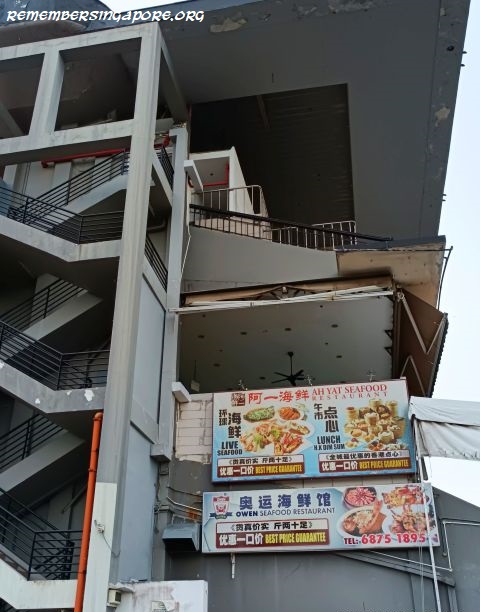
Courts opened at Turf City too, with its iQ concept tech store showcasing the latest gadgets and electronic consumer products. A large furniture store was also opened by the Singapore Furniture Association (SFA). Ah Yat Seafood Restaurant was one of the first eateries at Turf City when they opened in 2002.
Expecting to attract huge crowds to the megastores and restaurants, Turf City designated more than 2,000 parking lots to ensure ample parking space for the visiting customers.

But Turf City was not born in the best of times. The burst of the dotcom bubble and 911 incident in the United States clouded the global economic outlook in the early 2000s. Singapore was not spared, as it suffered from weakening consumer demand and a slowing retail property market. The rental rates of the new Turf City, about 80% the size of Suntec, were significantly lower in order to attract businesses and tenants. Nevertheless, Turf City was officially opened on 22 June 2002.
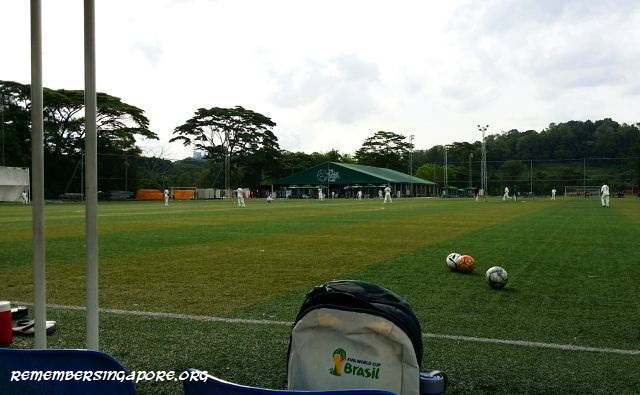
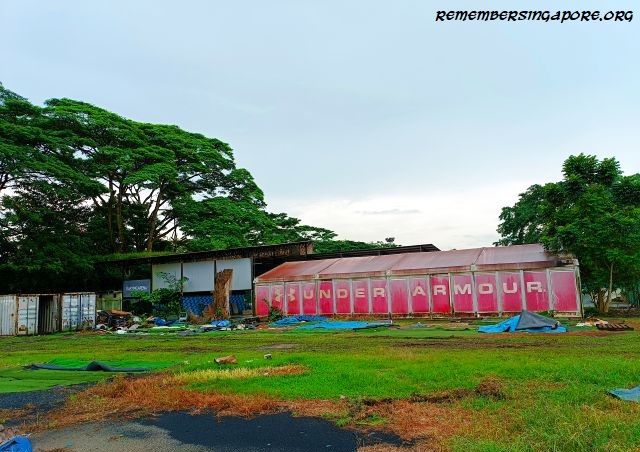
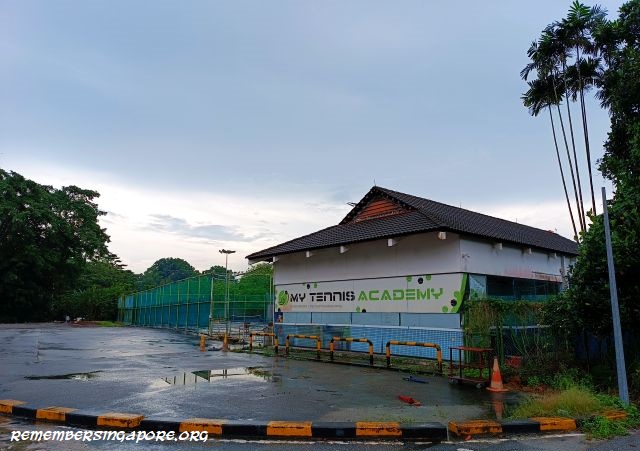
In 2003, the old racetrack was converted into numerous pitches and courts that catered to a wide variety of sports such as football, futsal, rugby, softball, netball, tennis and archery. Other than a lifestyle and automobile hub, Turf City was also establishing itself as a leisure sports hub. For the next two decades, Turf City became an all-in-one place for sports, seafood, second hand cars, groceries, childcare, antiques and other services. It even had an axe-throwing range.
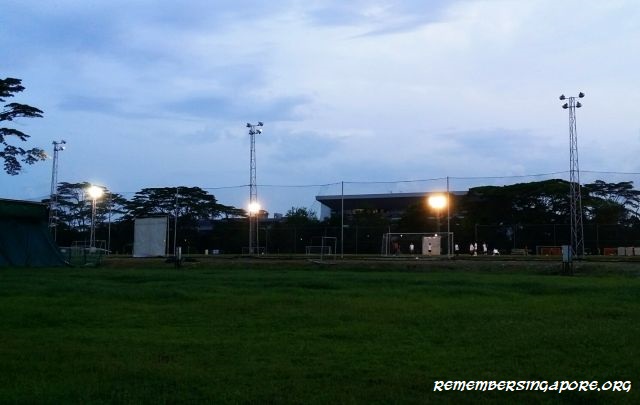
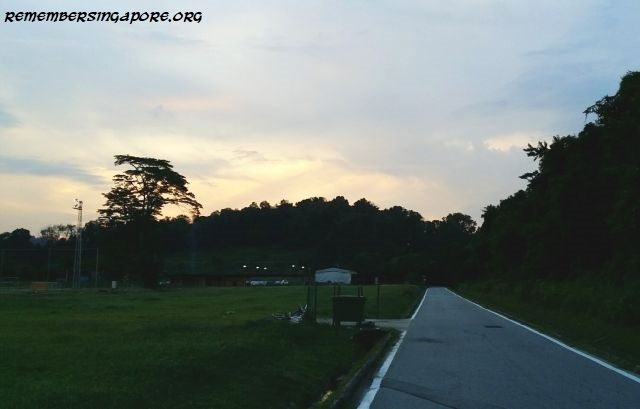
Singapore’s horse-racing industry has been in steady decline in the recent years. The Bukit Timah Saddle Club, popular with its rustic environment and stables, was closed in February 2023. The Singapore Turf Club at Kranji, which took over from Bukit Timah Turf Club in 1999, is expected to cease operations in October 2024, bringing the 180-year-old local horse-racing history to an end.
For Turf City, a heritage assessment conducted by the National University of Singapore’s (NUS) Department of Architecture in 2022 recommended keeping some of the iconic structures of the former Turf Club, especially the huge grandstand building. But so far there is no confirmation from the URA yet.

Published: 14 January 2024
Discover more from Remember Singapore
Subscribe to get the latest posts sent to your email.






 Remember Singapore
First. Theres also a sort of plot when you exit turf city that has the words private property on it, maybe it would be an interesting topic.
Up to 20,000 homes planned for Turf City, including first Bukit Timah HDB flats in almost 40 years
23 May 2024
The Straits Times
The first public housing units in Bukit Timah in about 40 years will be built in Turf City, as part of plans to develop 15,000 to 20,000 new homes on the former racecourse site over the next two to three decades.
The upcoming estate will be “inclusive and highly accessible”, with both public and private housing, said Minister for National Development Desmond Lee on May 23 at The URA Centre, where he launched an exhibition showcasing plans for Bukit Timah Turf City.
Mr Lee said the addition of public homes in Bukit Timah will meet “the growing aspirations among Singaporeans to live closer to their workplaces in the city”.
The Urban Redevelopment Authority (URA) said the new estate will be car-lite, pedestrian-friendly and well-served by public transport, with good walking and cycling connections.
Future residents will be within a 10-minute walk of either of two MRT stations – Sixth Avenue on the Downtown Line or Turf City on the upcoming Cross Island Line. Mr Lee said the latter will be completed in 2032.
URA said the estate will be developed over time, starting with areas closer to existing transport nodes along Dunearn Road – where Sixth Avenue MRT station is located.
Between 1933 and 1999, Bukit Timah Turf City was Singapore’s second racecourse, before the Turf Club relocated to Kranji to ease traffic congestion in the area.
The 176ha Bukit Timah site has been largely zoned for residential use since URA’s 1998 masterplan, and was leased out for interim lifestyle and recreational uses until end-2023.
To accommodate an anticipated growth in traffic as the estate is developed, road improvement works will be carried out in Dunearn Road, Bukit Timah Road and Eng Neo Avenue, URA said.
“Agencies are also studying the technical feasibility and environmental impact of implementing a new exit ramp from PIE, towards Tuas, as an alternative access to the site and to facilitate the distribution of traffic in the area,” said the agency.
URA said the estate will be planned as a “10-minute neighbourhood”, with most amenities such as shops, community and recreational facilities and parks within a 10-minute walk of future homes.
Fewer parking spaces will be provided to “prioritise space for public amenities, greenery and housing”, in line with plans to make the estate car-lite, URA added.
As part of planning for the site, two studies – one assessing future development’s the impact on heritage, and the other on the environment of the area – were conducted.
Key strategies to minimise future developments’ impact include potentially keeping 27 heritage buildings and structures in the estate, as well as retaining most of Eng Neo Avenue Forest and Bukit Tinggi. Studies had found that these two forested areas house flora and fauna species of conservation significance.
To respect the surrounding environment, said URA, new developments will have to adhere to urban design guidelines, such as keeping building heights lower when they are located near key heritage buildings, green spaces and existing low-rise housing areas.
Centrally located areas within the estate, such as those closer to MRT stations, will be used for high-rise housing to allow more to live near transport nodes, said URA.
URA said four distinctive neighbourhoods are likely to be built in Bukit Timah Turf City, “each featuring new public spaces integrated with existing landscape and heritage buildings to reflect their unique characters while promoting community bonding”.
The first, Racecourse Neighbourhood, will be anchored by two historic grandstands and a new central open space reminiscent of the racecourse’s original racetracks.
This neighbourhood will be Bukit Timah Turf City’s civic heart, and provide “a wide variety of large-scale sports, recreational, commercial and community amenities” within a five-minute walk of the Turf City MRT station.
Stables Commune, the second neighbourhood, will include former workers quarters and stables that will house small-scale lifestyle offerings.
Located in Dunearn Road, this neighbourhood will “take after the existing street character of Bukit Timah Road”, said URA.
The third neighbourhood, Saddle Club Knolls, will “be defined by its undulating terrain and surrounding forests”.
Here, the former Bukit Timah Saddle Club and its surrounding landscape will be a lifestyle node, while the old Fairways Quarters could host family-friendly activities.
The last neighbourhood, Tinggi Hills, located within former golf course land, will have homes with good views of the Central Catchment Nature Reserve and Bukit Tinggi.
URA said its plans for Bukit Timah Turf City have been shaped by “extensive engagements” with residents, heritage and nature groups over the last few years, as well as feedback garnered since the October 2023 launch of public engagement for the upcoming draft masterplan, to be unveiled in 2025.
The masterplan guides Singapore’s development over the next 10 to 15 years.
The agency said that in engagements with existing residents in nearby estates, many said they look forward to better connectivity in the area and more retail and community amenities.
URA also cited a collaboration with nature groups to improve connectivity for Malayan colugos within the site – allowing them to move safely from one place to another – as one of the outcomes of its engagements.
On the heritage front, the agency engaged formers workers and residents of Singapore Turf Club to document their work and anecdotes, with discussions yielding suggestions on the provision of amenities and communal spaces.
The Bukit Timah Turf City exhibition at The URA Centre in Maxwell Road will run till July 23, and the public can share their feedback on the plans through this feedback form.
https://www.straitstimes.com/singapore/up-to-20000-homes-planned-for-turf-city-including-first-bukit-timah-hdb-flats-in-almost-40-years
First private housing sites at former Keppel Golf Course, Bukit Timah Turf City to be sold in H1 2025
6 December 2024
The Straits Times
More private housing will be made available in the first half of 2025, including two new housing precincts at Bukit Timah Turf City and the former Keppel Golf Course.
A total of 8,505 units will be made available, up from 8,140 units in the second half of 2024.
…
Bukit Timah Turf City, meanwhile, is set for long-term development, with plans for 15,000 to 20,000 public and private homes over the next 20 to 30 years.
The area will be developed as a car-lite, pedestrian-friendly estate, with integration of heritage buildings and green spaces to create a unique living environment.
First private housing sites at former Keppel Golf Course, Bukit Timah Turf City to be sold in H1 2025 | The Straits Times