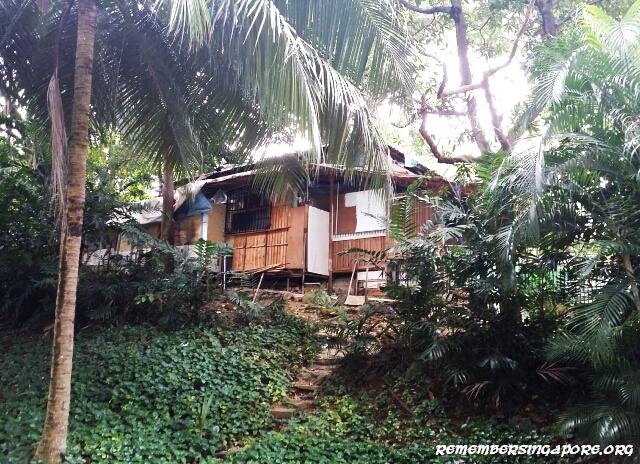
Sitting on a cover crop-filled small hilltop and well-hidden among blocks of Housing and Development Board (HDB) flats at Bukit Purmei, the Keramat Bukit Kasita remains a low profile and mysterious Muslim graveyard that is possibly linked to Sang Nila Utama, the legendary founder of Singapura kingdom several centuries ago.
Sang Nila Utama was said to have arrived and established the kingdom of Singapura in 1299. More than 200 years later, Sultan Alaudin Riayat Shah II, Sang Nila Utama’s seventh descendant, founded the Johor Sultanate, after Melaka had fallen into the hands of the Portuguese. The island of Singapore was part of the Johor Sultanate between the 16th and 19th century. In around 1530, the sultan established the Keramat Bukit Kasita, referring it as a sacred hill.
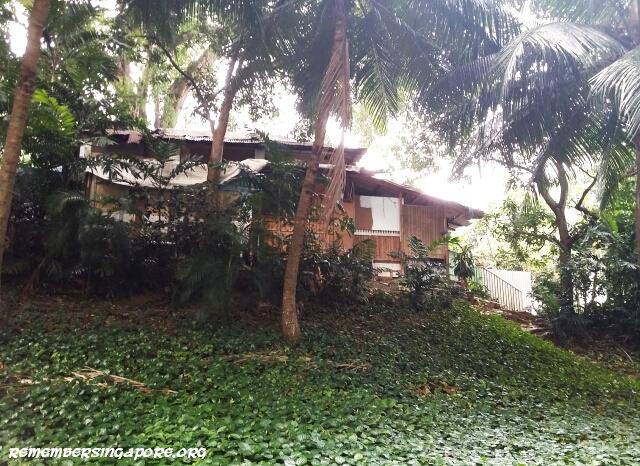
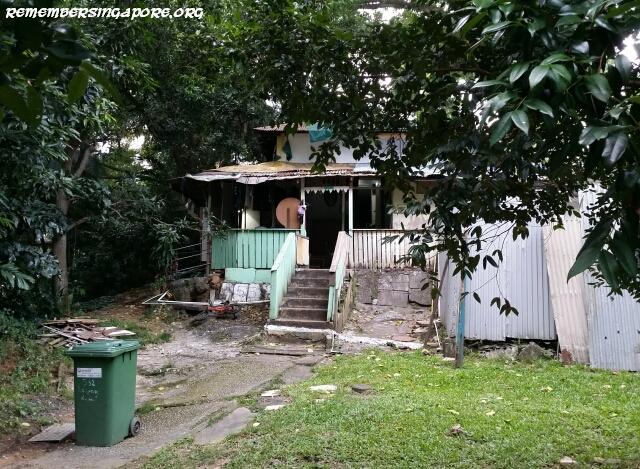
The southern part of Singapore was a hilly area; spanning across the vicinity were several small hills such as Telok Blangah Hill, Mount Washington, Bukit Radin Mas, Bukit Chermin, Berlayer Hill, Bukit Teresa and Bukit Purmei. Living at the foot of the hill range in the early 19th century was the settlement of Temenggong Abdul Rahman, the grandfather of Sultan Abu Bakar, who had ruled Johor from 1862 till his death in 1895. Sultan Abu Bakar himself was born in Telok Blanglah in 1833.
By 1824, Temenggong Abdul Rahman’s subjects had grown to almost 10,000, and were living in the Malay villages at Kampong Bahru, Kampong Bukit Kasita, Kampong Bukit Mawla, Kampong Jagoh, Kampong Pahang, Kampong Pantai Chermin, Kampong Radin Mas, Kampong Rochor, Kampong Telok Blangah and Kampong Ulu.
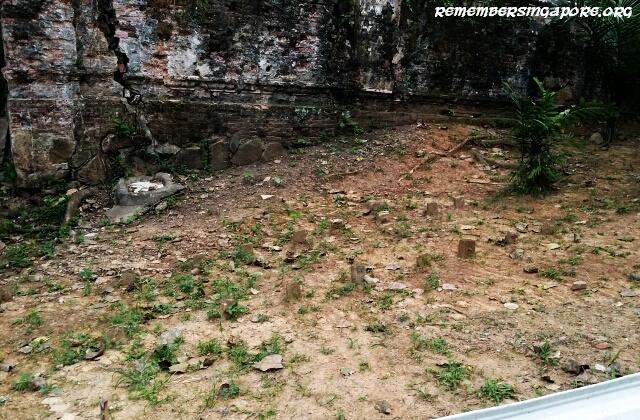
Today, there are about 200 tombs at the ruins of Keramat Bukit Kasita; the oldest could be traced back to as early as 1721. Many of the graves were draped in yellow clothes that represent Malay royalty. Hence, the site is otherwise also known as Tanah Kubor diRaja, which means Royal Burial Ground in Malay.
However, due to a lack of official records, there are disputes regarding the history of Keramat Bukit Kasita. Some historians pointed out that the tombs, like the other graves found at the nearby Radin Mas and Telok Blanglah areas, were not as ancient as it was thought. Instead, they were dated back to the 19th century, when Sultan Hussien was the ruler of the Johor Sultanate.
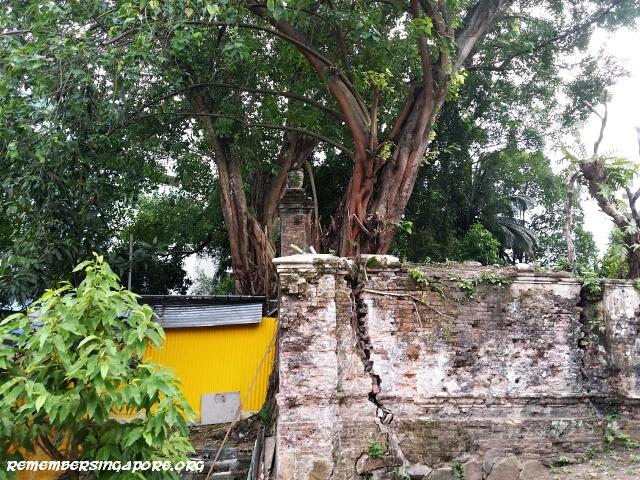
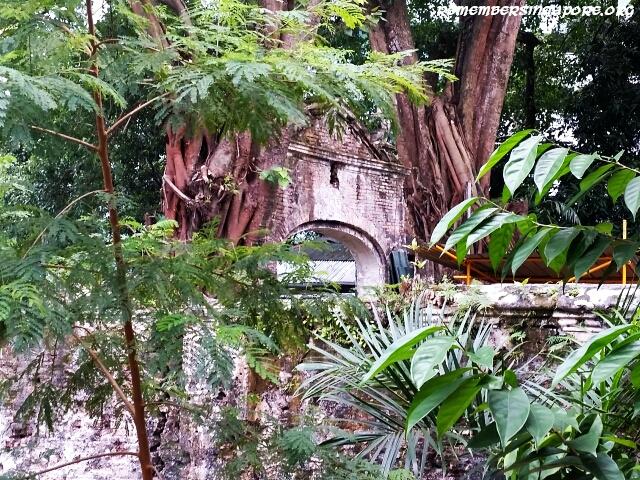
Keramat Bukit Kasita is currently being looked after by a volunteer caretaker. Each month, there are 50 or more devotees from Singapore, Malaysia and Indonesia coming to pay their respects. Others seek spiritual enlightenment; it is believed that praying and mediating at keramats help the devotees attain a state of calm and peacefulness.
The keramat site at the Bukit Purmei housing estate has been categorised as a reserve site under the Urban Redevelopment Authority’s (URA) Master Plan. There are neither conservation nor demolition plans of Keramat Bukit Kasita in the near future but the historical site is definitely worth considered to be preserved as it is one of the few places left in Singapore that has links to the country’s pre-colonial history.
Published: 11 March 2017
Updated: 11 September 2018






 Remember Singapore
Dear Admin,
Kindly please advise me, how to visit the Keramat Bukit Kasita?
whether is it necessary to get special permit (permission) or to meet a person who take care the place.
Salam tuan.Boleh kah lagi kita boleh masok ke tempat sinj
Take public bus service number 62, 124,143 and 166. Alight at Keppel District container yard. Cross the road to HDB block number 202 using the staircase beside the bus stop shelter
It is service 61 not 62
Is beside Blk 102 and not 202 Bt Purmei Rd
Note to admin:
Praying and meditating at a keramat site is not from the teaching of Islam. Not found in the Holy Quran and the authentic Hadiths of Prophet Muhammad (peace be upon him). It’s a deviant practice found largely in South East Asian countries. Please edit. Thanks.
No need to thump your muslim believes on us! By stating that praying and meditating does not mean its for muslims not to do that. Dont assume devotees from the region are muslims.
The religious belief of “Datuk Keramat” is a form of Malay folk religious practice, nothing to do with Islamic belief.
Visited this historical place with wonder in mind. Such serene peaceful forgotten location stretches back our connection with southern state of johore. Kinship and common cultures shared within the peoples of peninsula and Singapore. Masjid temenggong daeng Ibrahim is a part of sultanate too?
If it was referred as sacred or Royal Burial Ground, why is the site so dirty, smelly and so lack of maintenance? Where is the respect? The caretaker did not do a good job for the tasks. I feel sorry for the nearby residents who have to withstand the stench of rotting smell. The site is also near to popular tourism places so why it is not relocated?
History is important but it must hold high credibility and integrity of the story. Please ensure that it is not a scam.
I’m one of the devotee at Keramat Bukit Kasita, it is so ancient and it is royalty be it the place is dirty or not, do have some respect it is not meant to move anywhere as it is a sacred place, would you like if other like to relocate you religious sacred place? I’m sure you won’t, so with sincere apology if my words offended anybody and thank you for understanding
what do you mean scam? Don’t anyhow suggest that we relocated our rich history no matter what they are. My family has roots in telok blangah area, kampong jagoh, pulau brani, pulau blakang mati and one of my great great grandfather’s buried on the hillside next to masjid temenggong.
So don’t anyhow suggest people to relocate. This is one of Singapura’s rich history.
what scam? this area of telok blangah and its surrounding holds a rich history. how do i know? my great great grandfather’s burial place is in the compound of masjid temenggong. My family has roots in telok blangah area, kampong jagoh, pulau brani, pulau blakang mati. why should the area or burial ground be relocated?