30 years have passed in the blink of an eye. Do you still remember the major events happened in Singapore in 1986?
Singapore’s First Recession
In early 1986, Singapore was still recovering from its first ever post-independence recession, which began in the second quarter of 1985. For 20 years, Singapore had emerged as a frontrunner among the developing countries, enjoying substantial Gross Domestic Product (GDP) growths averaging about 10% a year.
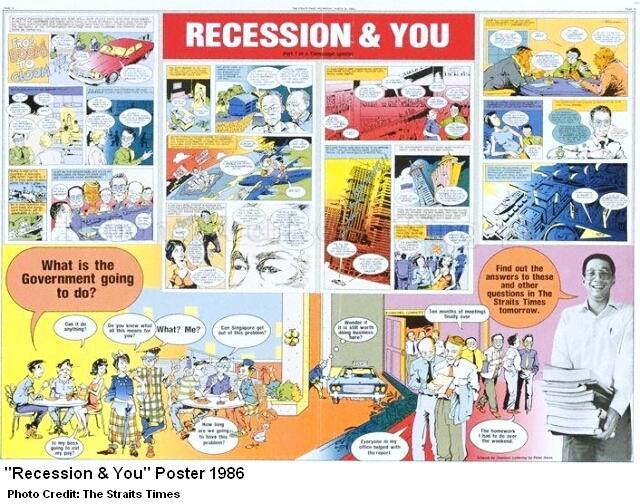
Towards the end of 1984, however, a combination of global and domestic factors led to a downturn. First, the developed countries, especially the United States, were experiencing a slowdown in their economies. Next, demands for Singapore’s exports and services had declined, and increasing operating costs made the country less competitive.
Singapore’s growth rate plunged to -3.5% in the third quarter of 1985, while unemployment rate jumped to 4.1%. Companies going bankrupt and mass retrenchments of workers hit the headlines. Residential and commercial projects by private developers also hit the slump, recording only 1,089 projects and an estimated total construction cost of only $1.6 billion, the lowest in seven years.
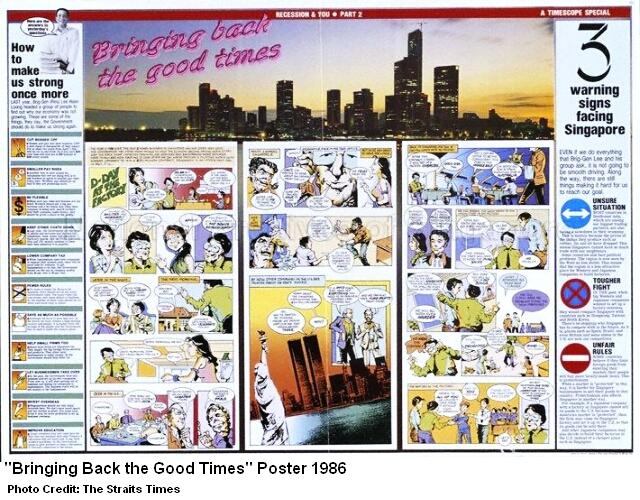
An Economic Committee was quickly appointed to review and analyse the economic downturn and propose policies to restructure the economy. The committee, headed by Lee Hsien Loong, then Minister of State for Defence and Trade and Industry, suggested implementing wage flexibility in the labour market, making changes to the Central Provident Fund (CPF), handing out rebates on various taxes and privatising certain state-owned companies. Also, to counter the decline in the construction sector, many public projects were pushed forward, resulted in the most number of approved government projects since 1980.
What happened next?
By mid-1986, Singapore’s economy showed signs of rapid recovery, posting a 1.2% growth in the second quarter and 3.8% in the third quarter. The country’s budget also improved from a $1.25-billion deficit in 1985 to a $500-million deficit in 1986. Overall, Singapore posted a modest 1.8% GDP growth in 1986. The recovery was confirmed when a year later, its economic growth jumped to more than 8%.
The 1985 recession, however, remained as the only time Singapore’s economy contracted while the global economy was still growing.
After-Effects of Pan-El Crisis
The stock market was still in a chaotic mess, due to the spectacular collapse of Pan-Electric Industries Limited which was suspended from listing two months earlier on 19 November 1985.
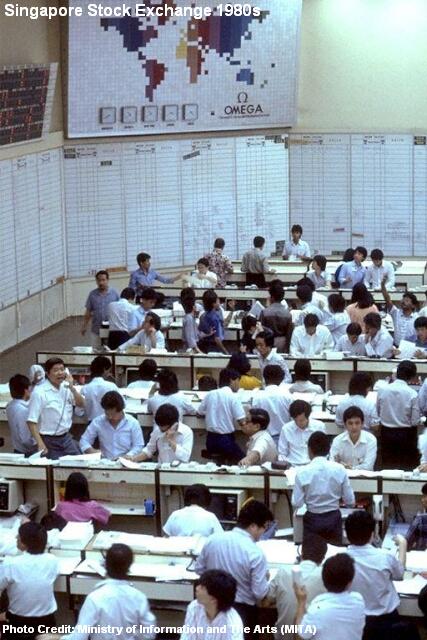 By end of November 1985, it almost spelt the death of the company as it went into receivership. Thousands of small shareholders had their investments and savings wiped out. Rumours of “white knights” rescuing the company gave hopes to the shareholders, but all optimisms were dashed in February 1986 when the liquidation proceedings of Pan-Electric commenced.
The Pan-El crisis resulted in a 3-day closure of the Singapore and Kuala Lumpur stock exchanges in early December 1985. It was the first and only time the Singapore Stock Exchange was forced to shut down due to a trading emergency.
The effect was catastrophic and widespread. In the following weeks, share prices across the market plunged and investors’ confidence badly shaken. Singapore’s reputation as a leading financial centre was tarnished.
What happened next?
A series of new regulations and stringent checks were enforced to the local stockbroking industry and stock market to curb speculations and manipulation in shares. Listed companies were also required to be more transparent in their financial reports.
Tan Koon Swan (born 1940), the president of the Malaysian Chinese Association (MCA) and major shareholder of Pan-El, was arrested for criminal breach of trust and was subsequently sentenced to two years’ imprisonment by the Singapore High Court. The MCA Youth protested aggressively against Tan Koon Swan’s arrest and sentence, calling for a boycott of Singapore goods and services.
Hotel New World Tragedy
In the late morning of 15 March 1986, the sudden news of the Hotel New World collapse shocked Singapore. Singaporeans were horrified by the tragedy, which remains as one of the country’s worst disasters after the Second World War.
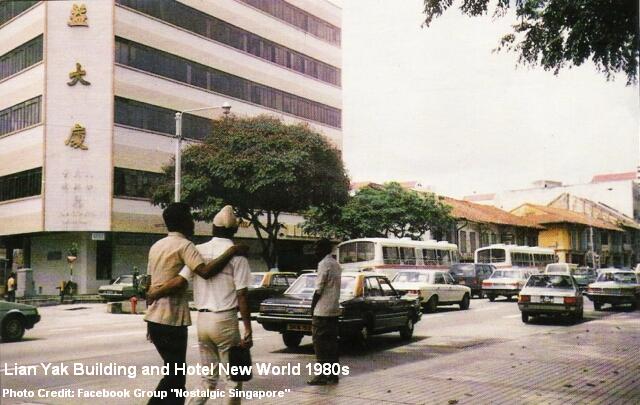
Located at the junction of Serangoon and Owen Roads, Hotel New World, formerly known as New Serangoon Hotel, was housed in a six-storey building called Lian Yak Building. The sudden collapse of the hotel, occurred in less than a minute, was later investigated to be due to the building’s inadequate structural integrity and an overloaded roof with water tank and air-conditioning system installations. The negligence in the maintenance of the building also played a part. Weeks before the disaster struck, many cracks had been observed in the walls and floors.
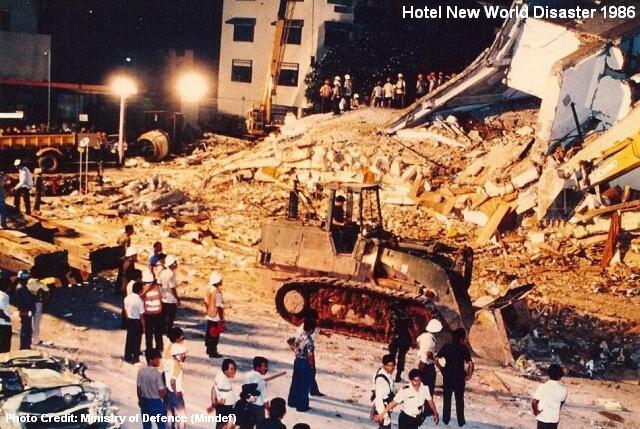
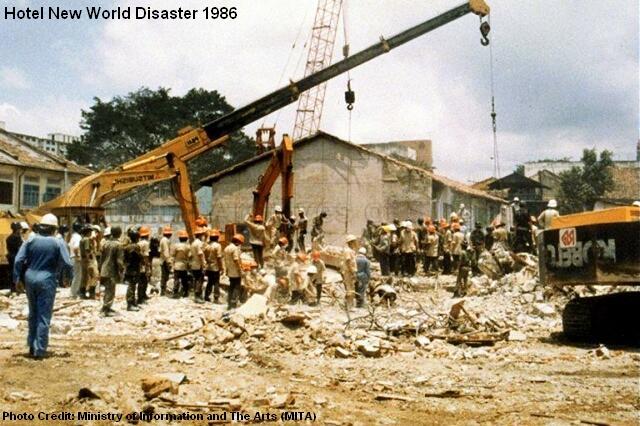
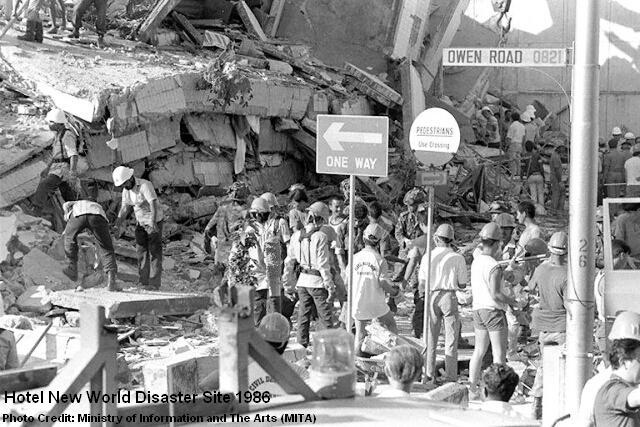
A search and rescue operation was immediately planned and carried out. A temporary command centre was set up in a shophouse opposite the disaster site, and more than 500 personnel from the Singapore Civil Defence Force (SCDF), Singapore Fire Service, Singapore Armed Forces (SAF) and Singapore Police Force (SPF) were activated. Foreign experts from Britain and Japan – they were in Singapore for the construction of the Mass Rapid Transit (MRT) tunnels – were also roped in. A total of 17 survivors were rescued from the rubble in the operation, but the death toll numbered 33.
The Hotel New World tragedy traumatised the whole nation, but it also brought all Singaporeans together. Many private organisations loaned their mechanical cutting equipment and lifting cranes to assist the SCDF, while the public actively raised funds and rendered help in all possible ways. Leaders of different political parties came together to rally the rescue teams and assist the victims’ families.
What happened next?
The government assumed a more active role in the regulation of the building industry in Singapore. The Ministry of National Development’s (MND) Development and Building Control Division was assigned to conduct regular structural and maintenance checks on buildings, and all building plans and drawings were more stringently checked and approved.
In addition, the Singapore Fire Service was integrated with the SCDF to improve the organisation’s efficiency and response in rescue missions.
Babies Not Enough
In 1986, the Total Fertility Rate (TFR) of Singapore fell to 1.42, the lowest level in the eighties. The “Stop At Two” population policy, began as early as 1972, was showing its impact by the late seventies when the TFR slipped to 1.82, well below the replacement level of 2.1 children per woman.
What happened next?
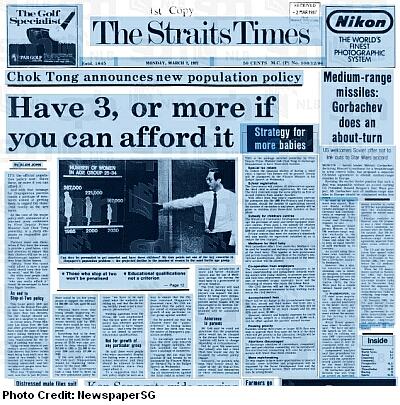 The Singapore government in 1986 switched from anti-natalist schemes to pro-natalist policies. Incentives such as childcare subsidies, tax rebates, allocation priorities in Housing and Development Board (HDB) flats were implemented.
In March the following year, a new slogan “Have Three Or More, If You Can Afford It” was launched by Deputy Prime Minister Goh Chok Tong. But Singapore’s TFR would continue to decline constantly throughout the three decades.
Conservation Master Plan
In December 1986, the Urban Redevelopment Authority (URA), for the first time, included six historical districts in its Conservation Master Plan. Kampong Glam, Little India, Chinatown, Emerald Hill, Singapore River and the Civil District from Empress Place to Fort Canning Park were identified as part of the URA’s plan to preserve the city’s history, architecture, colour and character.
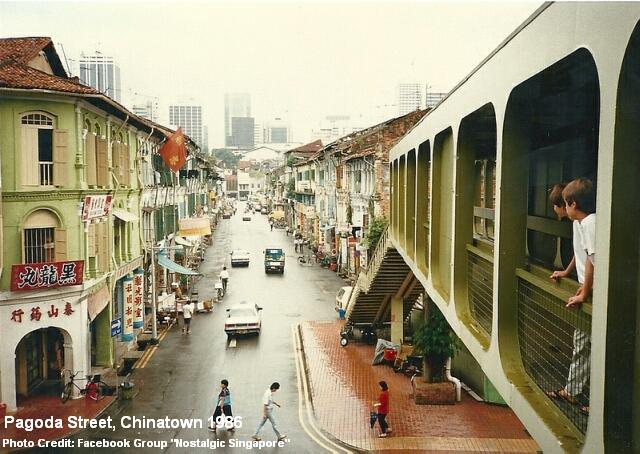
Prior to this, Singapore had been undergoing massive urban renewal programs and conservation efforts were only limited to single building or landmarks. The Conservation Master Plan, in total, covered almost 1 square kilometre of site or 4 percent of the city core.
What Else Happened in 1986?
12 January – The Singapore Bus Services (SBS) introduced a new air-conditioned bus service, numbered 3, plying daily from Bedok to Chinatown. Aircon buses were getting popular among the commuters, after the first SBS aircon bus, numbered 168, debuted in April 1985.
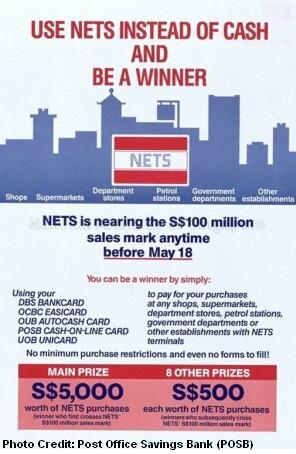 18 January – The Network for Electronic Transfers (NETS) was officially launched, as Singapore aimed to move towards a cashless society. The electronic payment service enabled more than 1 million users to make transactions through the NETS terminals at restaurants, shopping malls, petrol stations and government departments.
17 February – Armed with an axe, a gang of three men committed a robbery of a goldsmith shop at Chander Road. After robbing a Beauty World Centre goldsmith shop in June, two of the robbers were caught by the Criminal Investigation Department (CID).
15 March – The Singapore Armed Forces’ (SAF) first full-scale civilian vehicle mobilisation exercise, named Civil Resource Mobilisation, was carried out at the carparks of the Chinese and Japanese Gardens in Jurong. More than 170 pickups, lorries, buses and trailers were notified, registered and tested in the three-hour exercise. The owners were compensated for their time and use of their vehicles.
14 May – Two 12-year-old Owen Primary School students, Toh Hong Huat and Keh Chin Ann, mysteriously disappeared without a trace while on their way to school. Many theories were put forward but the case remained unsolved.
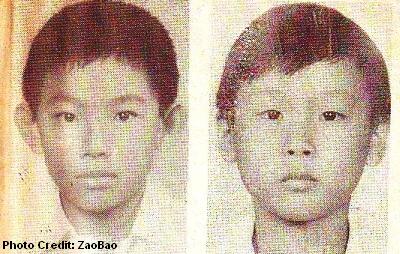 After investigations, the police deduced the boys were unlikely to have run away from homes as they were both well looked after by their families. It was not kidnap either, since the families had never received any ransom demands. There were also no known cases of illegal trades then, and illegal traders would have taken more than two boys. In addition, the police did not think it was a murder or drowning case as the bodies of the two boys were not found.
19 May – The new $7-million Toto computerised system made its debut, replacing the old laborious method in which betting agents had to manually stamp the betting slips with agency numbers, seal numbers and control stamps.
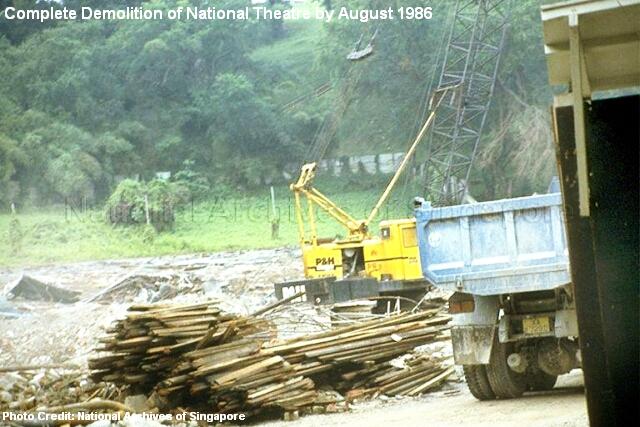
20 May – The closed National Theatre, deemed unsafe in its structural integrity, began its demolition.
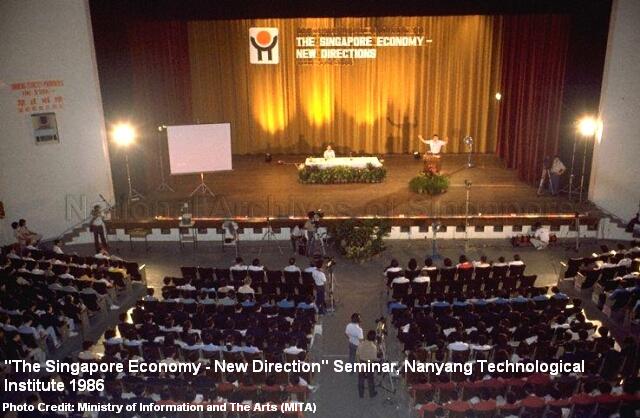
25 June – Minister of State for Defence and Trade and Industry Lee Hsien Loong engaged with vocational, secondary and pre-university students in a talk named Conversations With The Young – The Economic Recession. In the talk, shown on TV later, were discussions on the effects of the recession, job prospects, expectations and the hope of a Swiss standard of living by 1999.
26 June – Armed with a knife, a jobless man robbed a DBS Finance’s branch at North Bridge Road. He robbed the finance company again in the following week, and got away with a total of $27,500. He was subsequently arrested by the police.
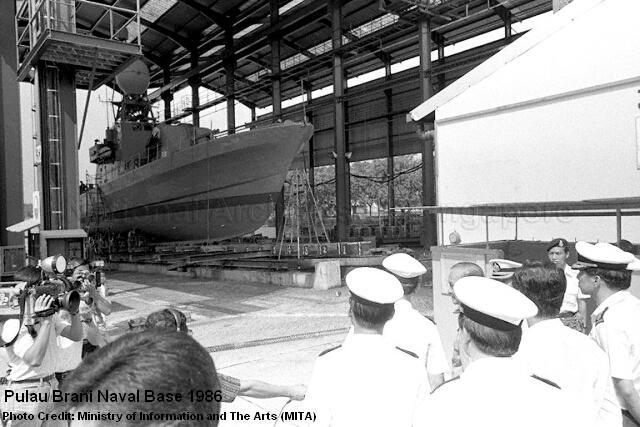
27-29 June – Pulau Brani was opened to the public for the first time in many years as the Republic of Navy (RSN) held an open house at the island’s naval base, demonstrating sea cruises and mock target shootings.
2 July – Singaporeans were shocked when two separate robbery-cum-murder cases occurred on the same day. A 83-year-old man was robbed and killed in a restaurant at Joo Chiat Road, while a pregnant woman was found strangled in her Tampines flat. Her cash and jewellery, worth about $1,500, were missing.
6 July – A 38-year-old kopitiam (coffeeshop) stallholder was slashed to death by 10 men armed with knives and parangs (machetes) in a heated argument at a carpark at Mattar Road.
1 August – The Newspaper and Printing Presses (Amendment) Bill was passed in the parliament to curb the sale and distribution of foreign publications containing news that were deemed to have interfered in Singapore’s politics and internal affairs, destabilised the society or damaged the country’s image.
1 September – Singapore’s first town councils were established in Ang Mo Kio to reduce the role of HDB and involved in greater participation of residents in the policy-making and decision-making. With the success of the pilot project, the Town Council Act was passed in the parliament two years later.
5 September – The Association of Small and Medium Enterprises (ASME) was formed, with approval by the government, to protect the interests of the small- and medium-sized companies in Singapore, as well as to allow them to have a common channel in knowledge and experience sharing.
27 October – The Legal Profession (Amendment) Bill was passed by the parliament to enforce the regulation and disciplinary processes of legal practitioners by the Law Society.
18 November – Israeli President Chaim Herzog paid an official 3-day visit to Singapore, the first visit by an Israeli head of state. His visit was met with protests by the Malaysian, Indonesian and Bruneian governments.
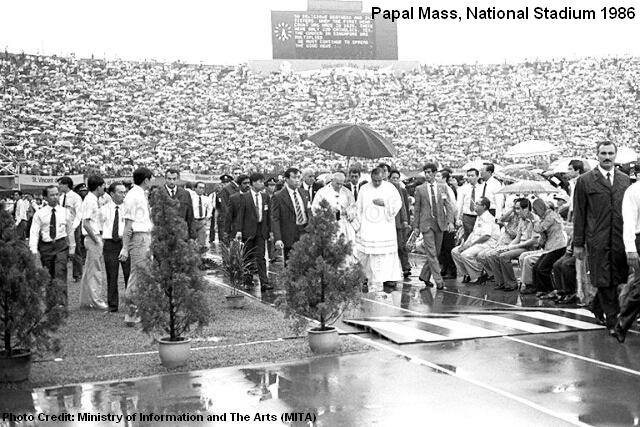
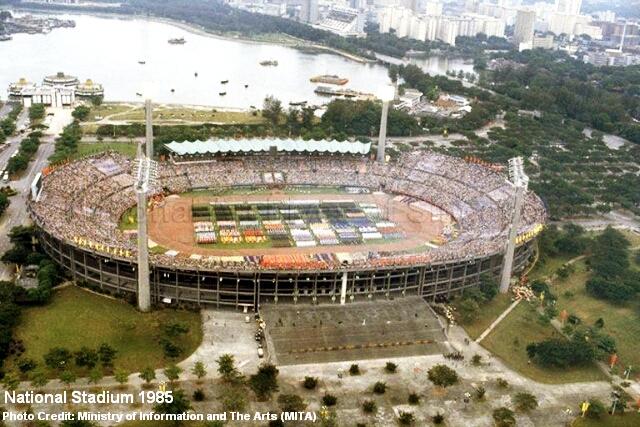
20 November – Pope John Paul II arrived, becoming the first Catholic pope, as well as the first Vatican’s head of state, to visit Singapore. A special welcoming ceremony was held at the National Stadium, where the pope delivered a sermon, prayers and speeches to almost 80,000 Catholics.
3 December – The Singapore Informatics exhibition was opened at the World Trade Centre.
21 December – The Faber House at Orchard Road, housing the Israeli embassy and Canadian high commission, was cordoned off by the police after an explosion went off at the back of its building. It was the second time the Faber house was bombed. The first incident occurred a year earlier on 17 March 1985, when an explosion in a nearby drain shattered the building’s windows and damaged its walls. It was a sign of early terrorism in Singapore.
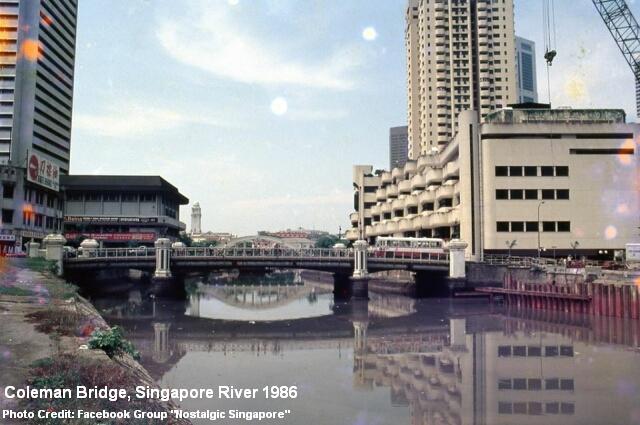
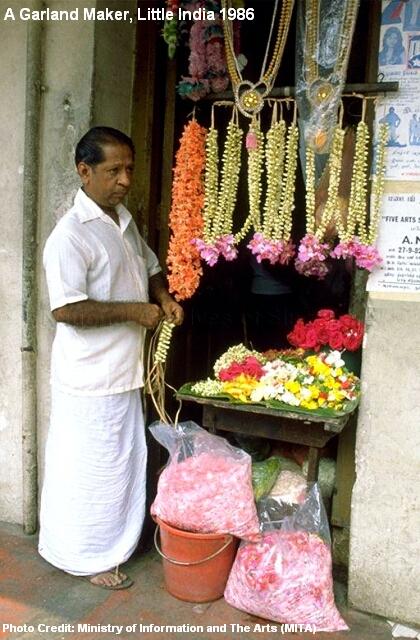
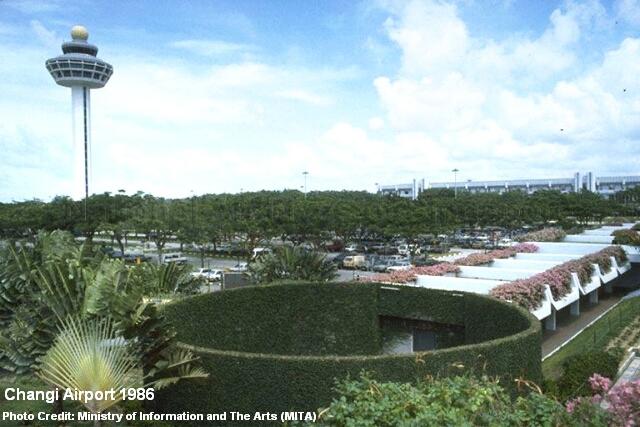
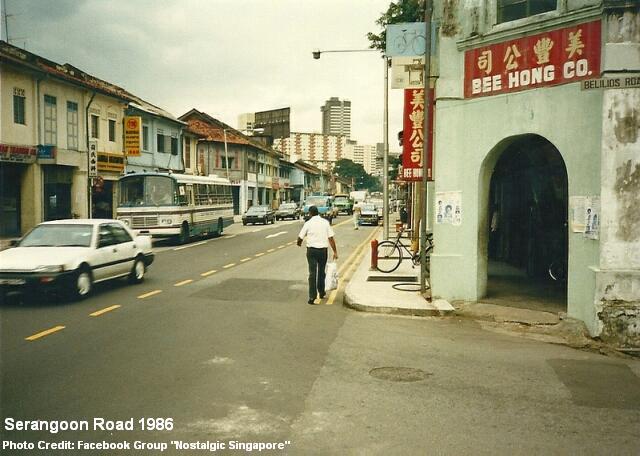
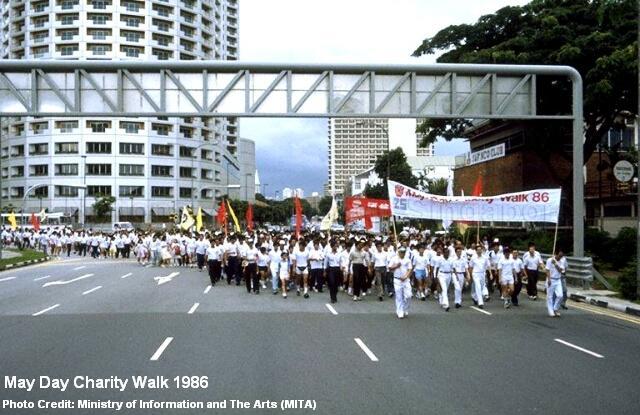
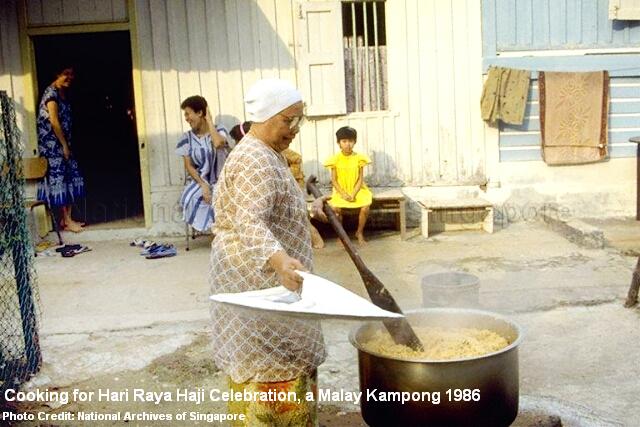
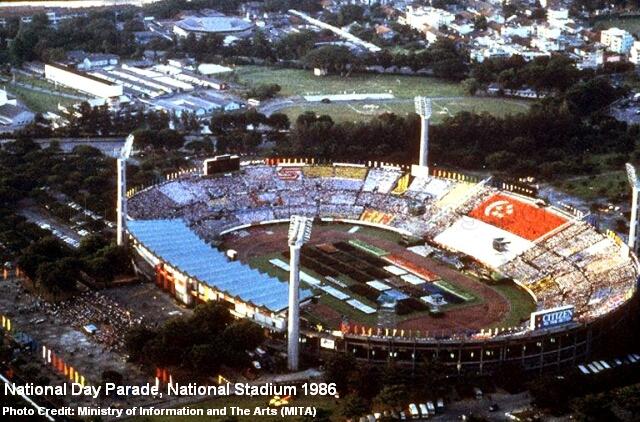
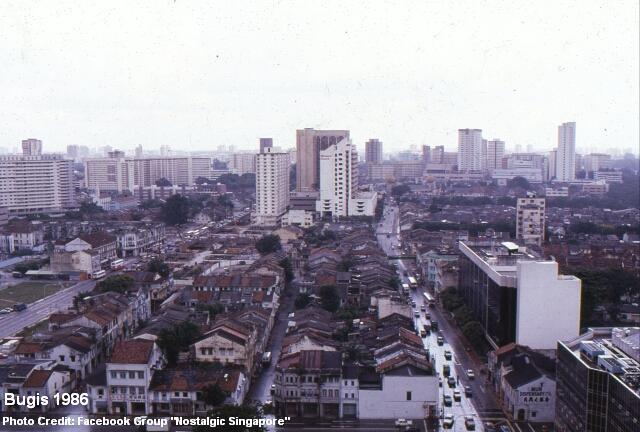
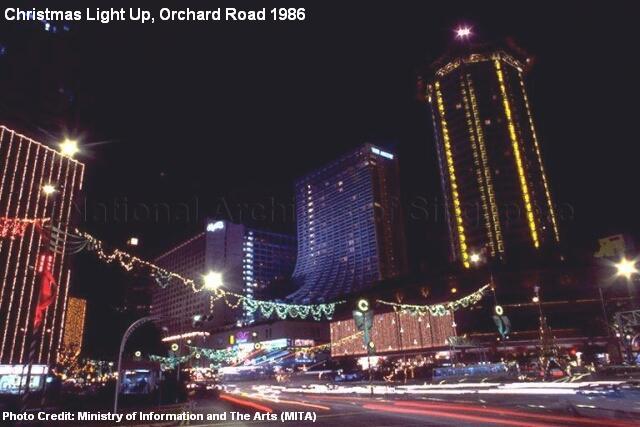
A Pictorial Gallery of Singapore 1986
Published: 20 November 2016
Updated: 28 February 2022

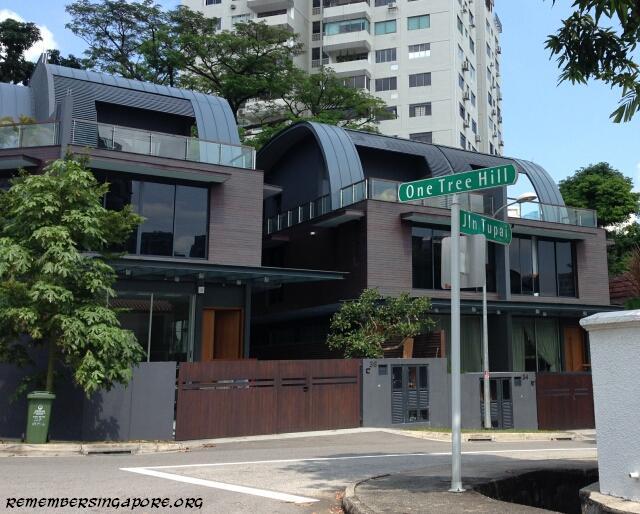
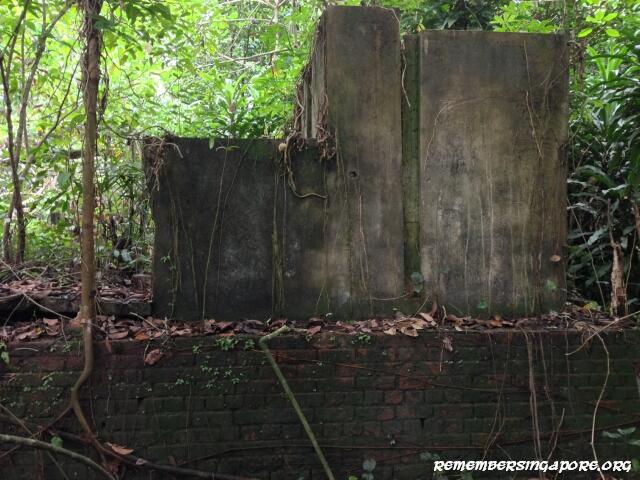
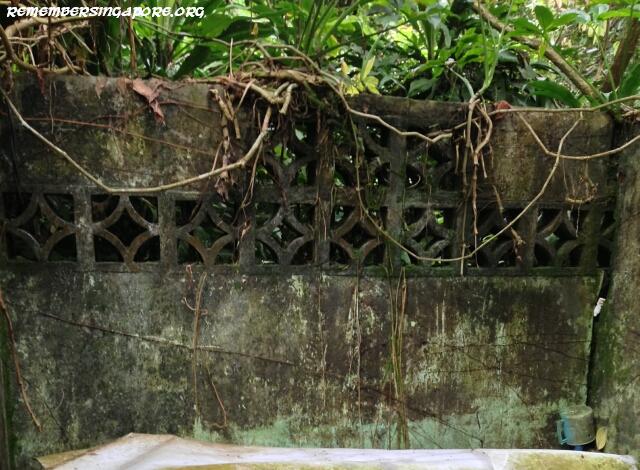
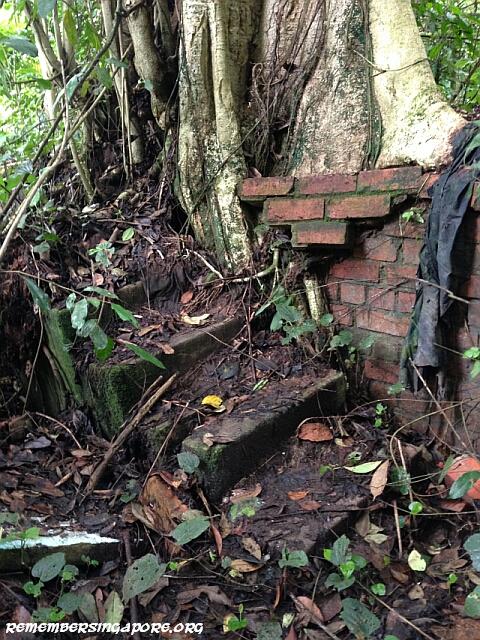
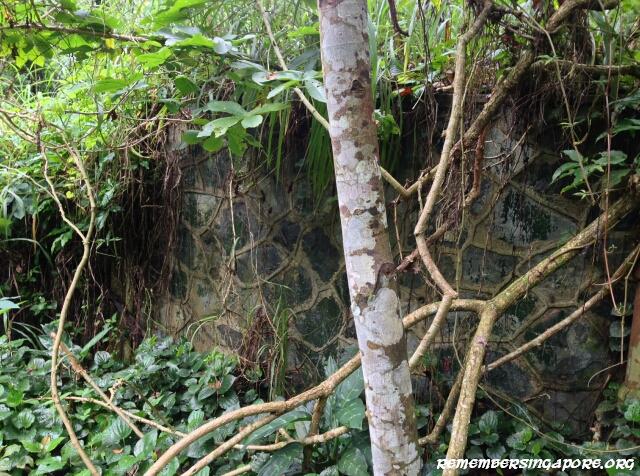
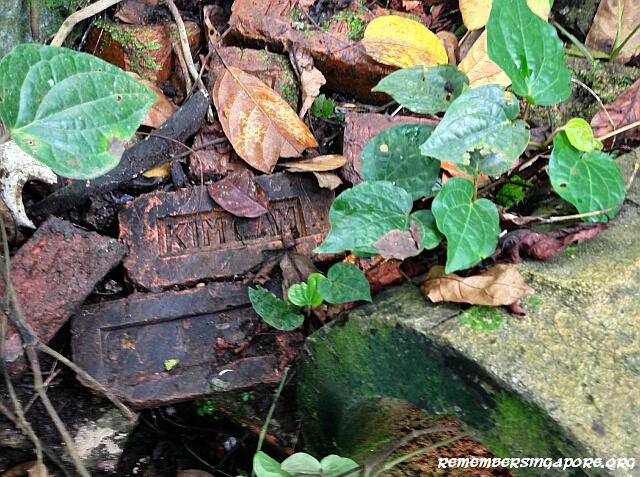
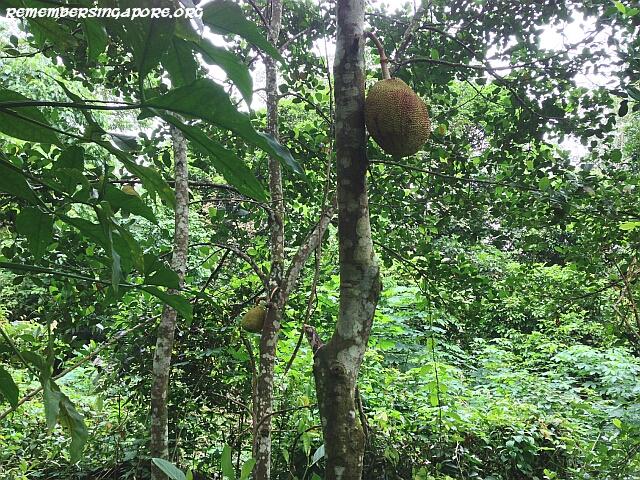
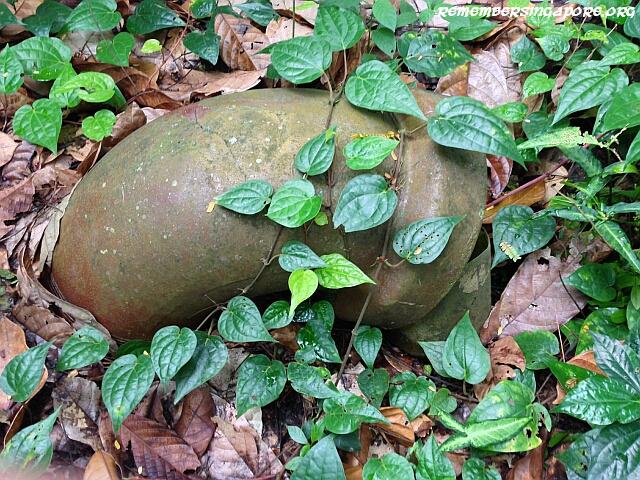
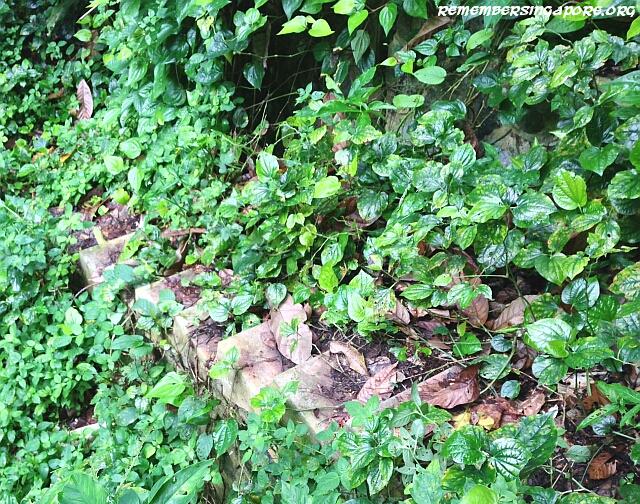
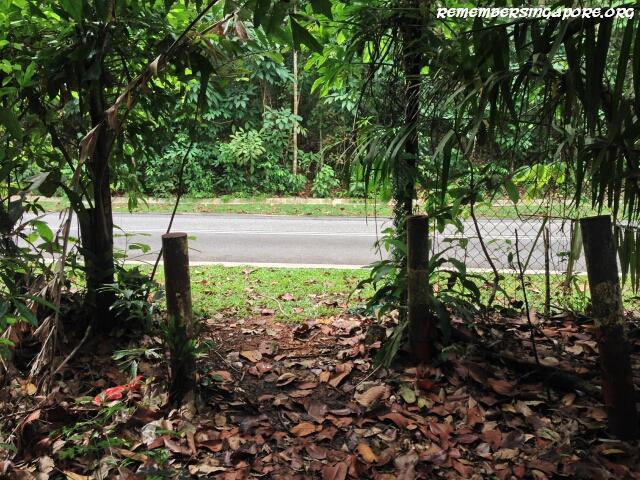
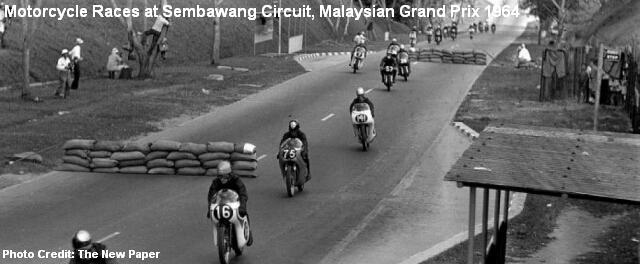
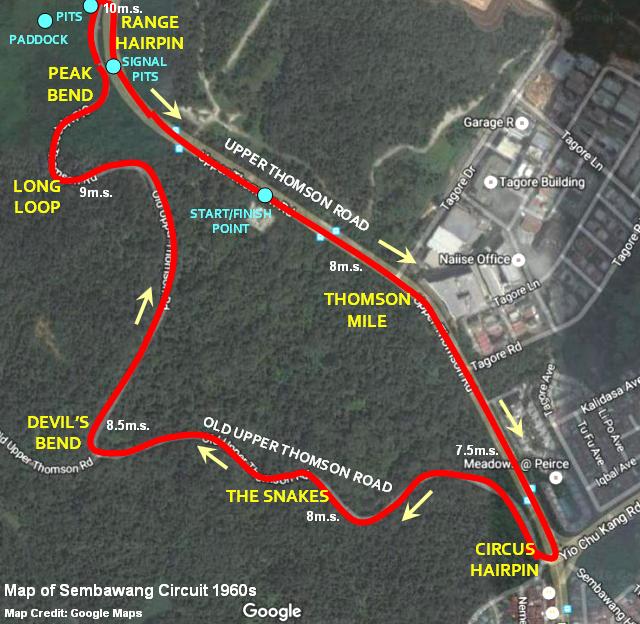
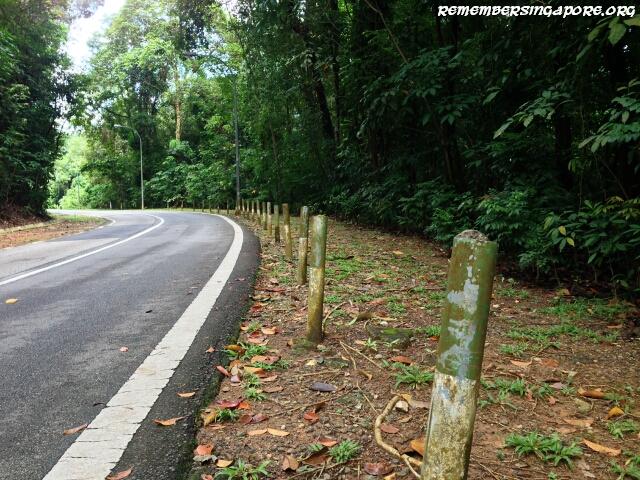
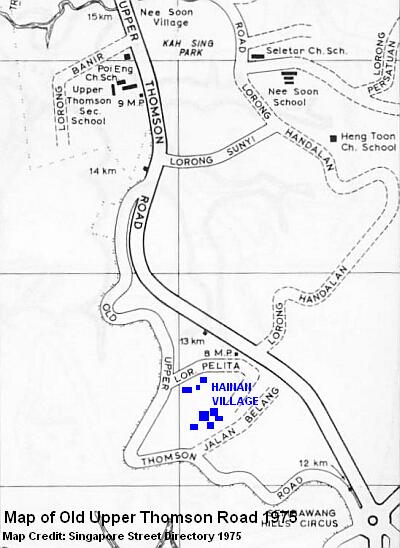 The village was situated at Jalan Belang, off Old Upper Thomson Road. The short road began as a track and was later upgraded to an asphalt road. By the early nineties, Jalan Belang was expunged after the village was demolished. Remnants of the road could still be observed today.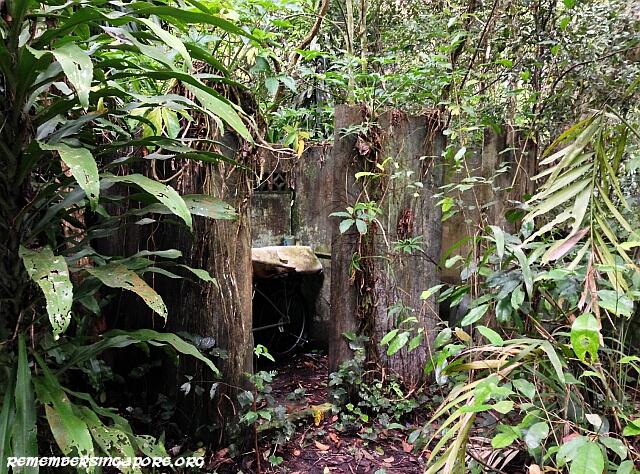


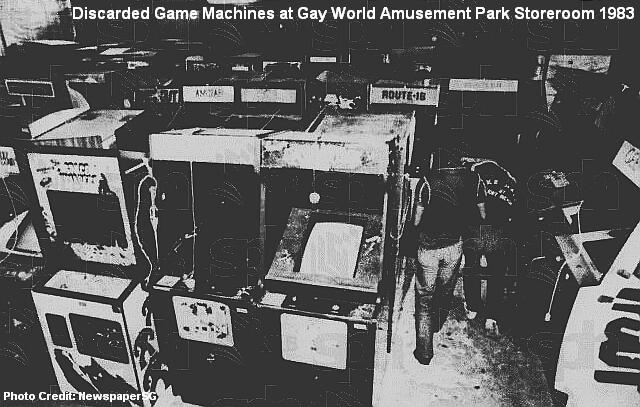
 The ban did little to dissuade the game enthusiasts, who flocked to the computer shops at Funan Centre, Peninsula Shopping Centre and Far East Plaza and rented their terminals, originally used for word-processing and programming, to play games such as “Computer Ambush” or “World War III” at a rate of $1 to $2 per hour.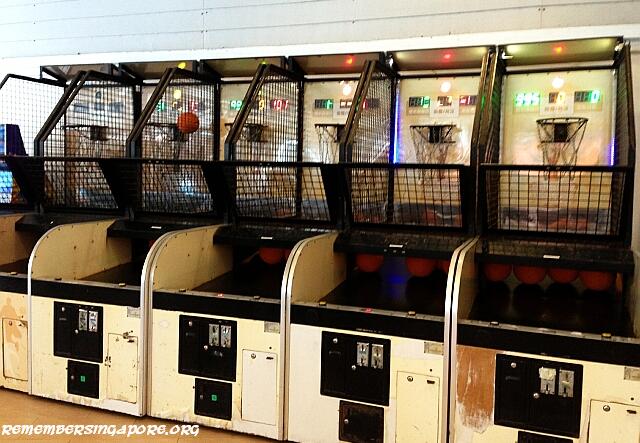




















 Remember Singapore