
It is the “moth season” in Singapore recently, with hundreds, even thousands, of moths spotted all over the island. Known as the tropical swallowtail moths, they are the second largest species of moths found in Singapore, and are generally flying around in larger numbers between May and August.
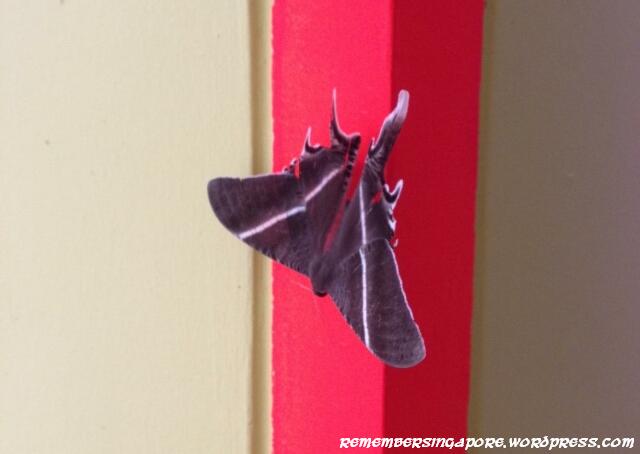
Many cultures around the world believe moths are the symbols of death. In Singapore, there is a popular belief that that moths are the spirits of the dead who have come back to visit their loved ones. Another local old wives’ tale of moths is that the powder that coat their wings can cause blindness, and kids are often warned not to disturb these winged insects. In reality, the “powdery” wings of the moths are made up of thousands of tiny modified hairs called scales.
Other than moths, there are dozens of old wives’ tales and taboos in Singapore. Some may sound illogical, while others are probably originated from superstitions and folklore. The purpose of this article is not ridicule but to explore this interesting aspect that has been part of our Singaporean culture for many generations.
How many of these have you heard of?
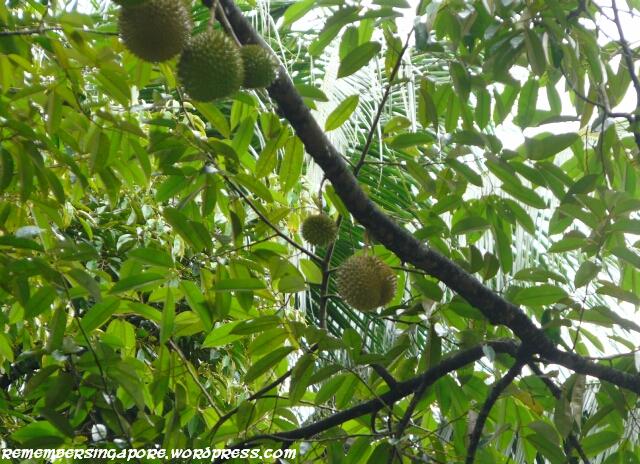
Durians Have Eyes
Old Wives’ Tale: Ripe durians will not fall on anyone’s head.
Possible Explanation: There are probably not many reported accidents of anyone hit by falling durians. But such accidents do happen every now and then. In 2001, a Malaysian newspapers reported that a 49-year-old man was knocked unconscious by a falling durian in a plantation.
Cutting Fingernails at Night
Old Wives’ Tale: Many Singaporean mums would prohibit their kids from cutting their fingernails at night. For the Malays, cutting nails at night may shorten one’s lifespan, while the Chinese believes the kids will develop a phobia of the dark.
Possible Explanation: As most kampongs had dim lighting, fingernail-cutting might be a little dangerous in the past, especially with scissors at night. You won’t want to accidentally cut your fingers instead, so it would probably be more advisable to cut the nails during daytime.
A Lizard’s Tail
Old Wives’ Tale: A frightened house lizard’s tail will jump into your ears
Possible Explanation: House lizards are commonly found in homes. When feeling threatened, a lizard will drop its tail off. It is a defense mechanism known as autotomy. A new tail will be regenerated in a couple of weeks. However, the chances of the broken tail jumping into one’s ears are extremely low.
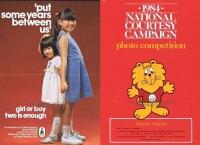
Three’s a Crowd
Old Wives’ Tale: Taking photographs of three people is a no-no. The one in the middle will die soon.
Possible Explanation: The origin of this taboo is undetermined. A similar old wives’ tale also exists: when walking in a group, three people should not walk side by side. Like the taboo mentioned, the one in the middle will suffer an early death.
Sweet Floral Scent
Old Wives’ Tale: The smell of frangipani indicates the presence of a spirit nearby.
Possible Explanation: This originated from the Malay belief that a pontianak gives off a strong smell of frangipani when she is close to her victim.
Hot Bus Cushion Seats
Old Wives’ Tale: Hot bus cushion seats give your piles
Possible Explanation: In the old days, we often see the elderly spanking the bus leather seats vigorously before sitting. Many of them believed that the seats warmed by the previous commuters would give them piles. There is no such problem today, especially with the buses fully air-conditioned and fitted with new fabric seats.

Eyelids’ Twitching
Old Wives’ Tale: There will be good fortune if one’s left eyelid twitches, while right eyelid twitching symbolises bad luck.
Possible Explanation: Its origin is unknown, but this old wives’ tale is not unique in Singapore. It is a popular belief in many other countries, just that it exists in different variations. In medical explanation, the twitching of eyelids indicates the tiredness, stress or allergies of the eyes.
Night Swims
Old Wives’ Tale: Avoid swimming at night. The water spirits will make you drown and claim your soul.
Possible Explanation: In the past, the mothers would warn their kids to discourage them from playing at the rivers or longkangs (canals) after sunset.
Finish Your Food!
Old Wives’ Tale: Finish all your rice, or else your future husband/wife will be mo peng (face scarred by pimples)
Possible Explanation: A good tactic used by the mothers to ensure their kids do not waste any food.
Pointing Finger at the Moon
Old Wives’ Tale: A warning from the elderly: “Don’t point your finger to the moon, or your ear will be cut“.
Possible Explanation: In many religions and beliefs, the moon is as much-respected as the sun. Probably that is why it is considered rude to point at the moon.

Bad Luck Underwear
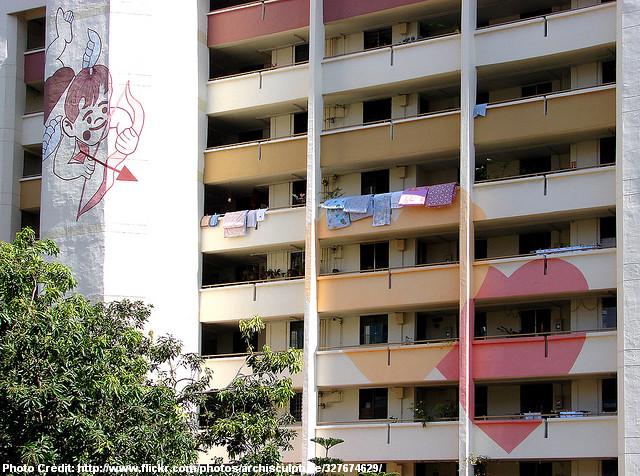
Old Wives’ Tale: It is unlucky to walk under the undergarments hanged at the rear of HDB flats.
Possible Explanation: This perhaps originated from another popular belief: If you wear a panty on your head (why will anyone do that?), you will get bad luck for 7 years. In any case, it is still not advisable to walk at the rear of HDB flats due to the chances of falling bamboo poles that are used for hanging clothes.
Peeping Tom’s Punishment
Old Wives’ Tale: You will get stye (commonly known as eye needle or ba zham in Hokkien) if you peep someone bathing. In the fifties, people used to use a few grain of rice to rub their affected eyes as the cure for stye.
Possible Explanation: Peeping at someone bathing is immoral and illegal. In medical explanation, stye is caused by the bacterial infection of the skin around the eye, and probably has nothing to do with peeping.
Painful Head
Old Wives’ Tale: Use your fist to knock against the bottom of your jaws gently if you are hit on the head.
Possible Explanation: Perhaps in doing so, it may have a psychological effect in soothing the pain. Just like hopping on the spot after being hit on the groin.
“Excuse Me”
Old Wives’ Tale: Mumble “excuse me” when peeing near a tree.
Possible Explanation: In the olden days when there were more jungles and plantations than public toilets, people often had to answer their nature’s calls by the trees, but they were afraid of offending the tree spirits. This practice is still common among the NS personnel today, especially during the jungle trainings. In any case, it is good to respect the nature too.
Knock Knock!
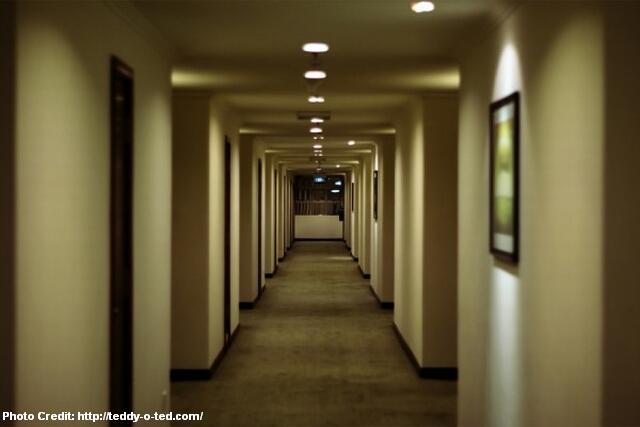
Old Wives’ Tale: Always knock on the door before you enter your hotel room or any other empty rooms.
Possible Explanation: It is to warn any spirits or other unknowns lurking in the room beforehand, and hope they will not disturb the one who is going to stay in that room.
Nailing Disallowed
Old Wives’ Tale: No nailing during pregnancy
Possible Explanation: The Chinese, especially the Cantonese, believe that nailing during pregnancy will cause deformities to the unborn baby. In fact, drilling and shifting of furniture should also be avoided.
Tiger Cure
Old Wives’ Tale: Write the Chinese character of “tiger” (虎), preferably by an adult born in the year of Tiger, onto the swollen cheeks of the child who is suffering from mumps.
Possible Explanation: Mumps are commonly known as the “swelled face” (猪头皮) in Chinese. Pigs, naturally, are afraid of tigers, and therefore in the olden days, this was a popular folk remedy when professional medical assistance was not easily available.
Tooth Fairy
Old Wives’ Tale: When his/her baby tooth dislodges, the child must stand up straight and throw the fallen tooth out of the window, so that the new replacement tooth can grow well.
Possible Explanation: A possible local variation of the western folklore Tooth Fairy?
Clocks as Gifts
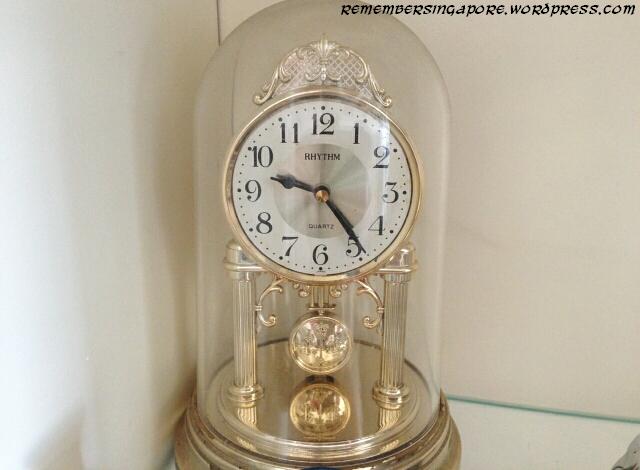
Old Wives’ Tale: Giving clock to others, especially the elderly, is strictly prohibited
Possible Explanation: Giving a clock as gift, to the Chinese, sounds like providing a burial to the parents (送终). Which is why the elderly are particularly pantang (superstitious) about this.
Bad Gossips
Old Wives’ Tale: If you suddenly sneeze, or have an itchy ear, or accidentally bite your tongue, it means someone is talking bad of you, or gossiping about you
Possible Explanation: Nil.
Umbrella Taboo
Old Wives’ Tale: Opening an umbrella inside the house may attract a ghost (Chinese beliefs), or a snake will appear from the inner center of the umbrella (Malay beliefs).
Possible Explanation: This is not unique to the local Chinese and Malays. The Egyptians also believe opening an umbrella indoors will bring bad luck. Anyway, few will do it unless it rains inside the house.
Choking Remedy
Old Wives’ Tale: If a person chokes while eating, knock a pair of chopsticks (upright) against an empty bowl held slightly above his head.
Possible Explanation: This old wives’ tale seems to have originated from Hong Kong, where the Cantonese believe in doing so, it will clear the windpipe and ease the choking.
Others
- Do not take photographs of someone sleeping, as his soul may be trapped.
- A mirror placed in front of the bed will confuse your soul when it returns to your body upon waking.
- Some local Chinese and Indians believe that if your palms itch, you will receive some wealth or good fortune soon.
- A young girl, according to Malay beliefs, should avoid singing in the kitchen or else she will marry an old man as her husband.
- Whistling while walking home at night may attract ghostly presence.
- Hearing a cat cries at night spells bad omen.
Published: 01 June 2014

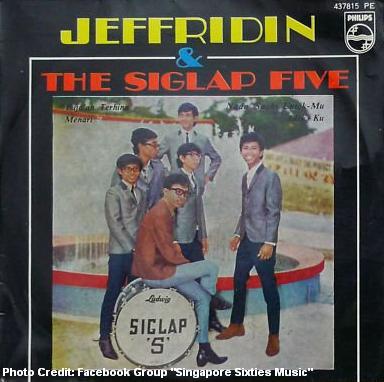 Malay bands also hit the heights in the sixties. Pop yeh-yeh, a new music genre with a mixture of Malay rhythms and classic rock and roll, had emerged and influenced the likes of The Rhythm Boys, The Jayhawkers and Malay R&B outfit The Siglap Five, who had toured Malaysia and performed for the Perak Sultan. Sweet Charity, a Malay rock band established in 1964 and led by the legendary Ramli Sarip, had successes lasting into the seventies and eighties.
 Formed three years earlier, The Oddfellows were perhaps the pioneers in “do it yourself” music in the local context. They produced and financed their debut album Teenage Head before record label BMG picked it up for distribution in 1991. The album was a commercial success, selling a respectable 2,000 copies in Singapore and catapulting the underground band to fame in the mainstream.




























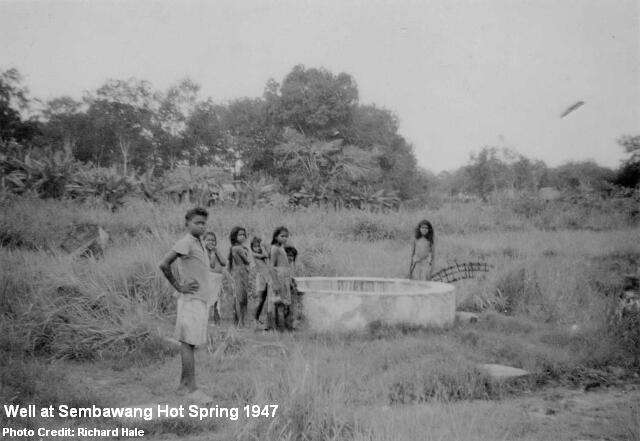

 1952 – The Singapore City Council ruled that the polluted wells in areas fitted with piped water supplies must be closed. It was a decision that affected the livelihoods of many towgay (bean sprouts) farmers at Rochore, Kallang and Geylang areas who depended on the water wells.
























 The eighties and a large part of the nineties were undeniably the golden periods for SBC, the predecessor of Mediacorp (and TCS). SBC, Singapore Broadcasting Corporation in full, was established in February 1980 as a statutory board, after the corporatisation of Radio and Television Singapore (RTS).
 In 1978, Hong Kong’s entertainment realm was hit by the collapse of Commercial Television and the change in ownership of Rediffusion Television (now Asia Television Limited). The two incidents provided opportunities for SBC to recruit some of the top talents in Hong Kong scriptwriters and producers.
 Locally-made Tamil dramas soon followed. “Ippadiayam oru Kudumbam” (What A Family), aired in August 1980, was the first Tamil-language drama series produced in Singapore.
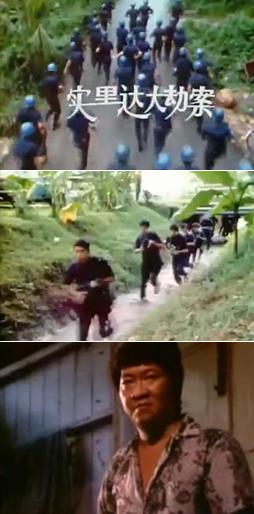 Period: 24 July 1982

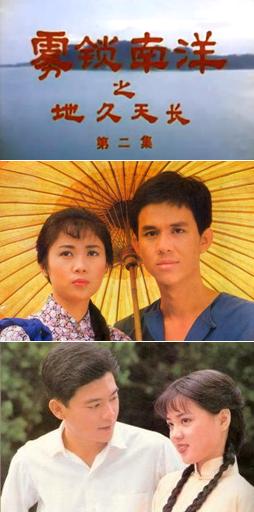 Year: 06 February 1983 to 07 May 1983 (Part 1), 06 August 1984 to 12 October 1984 (Part 2)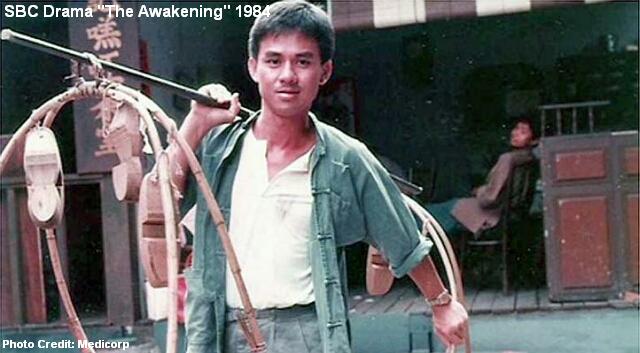
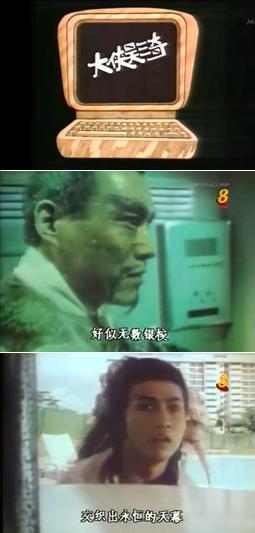 Period: 08 February 1985 to 03 March 1985
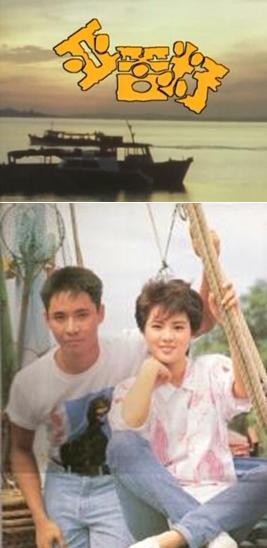 Period: 13 June 1985 to 26 July 1985
 Episodes: 30
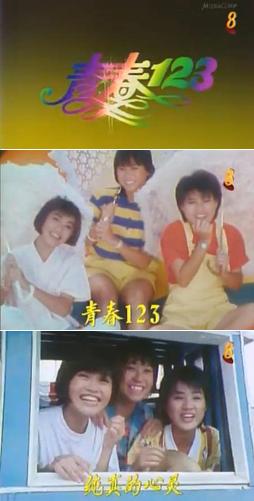
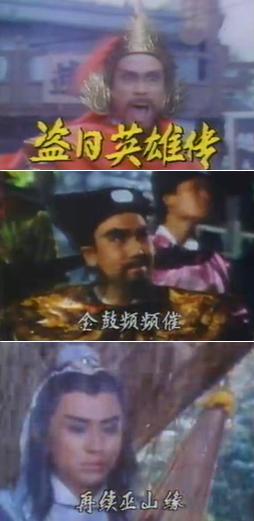 Year: 13 March 1986 to 02 May 1986
 Year: 05 May 1986 to 13 June 1986
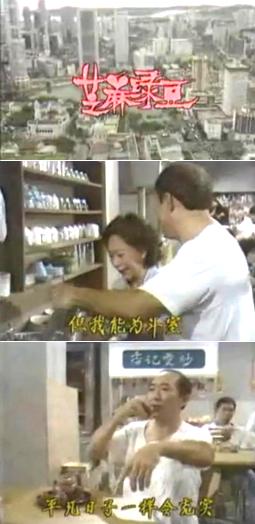 Year: 07 July 1986 to 03 October 1988
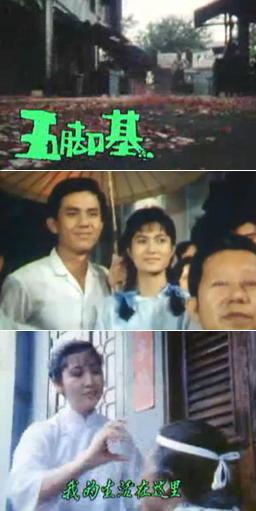 Episodes: 30
 Year: 26 October 1987 to 27 November 1987 (Part 1), 19 December 1988 to 27 January 1989 (Part 2)
 Main Cast: Li Nanxing (李南星), Yang Libing, Chen Bifeng, Zheng Wanling, Duan Weiming, Zheng Guoping (郑国平), Huang Yiliang, Lin Meijiao
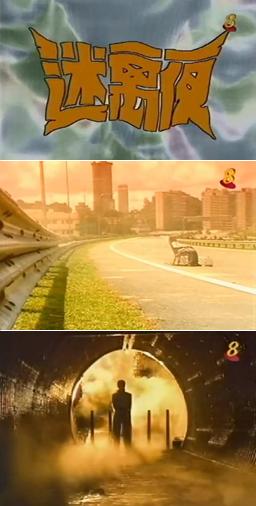 Year: 29 August 1988 to 07 October 1988
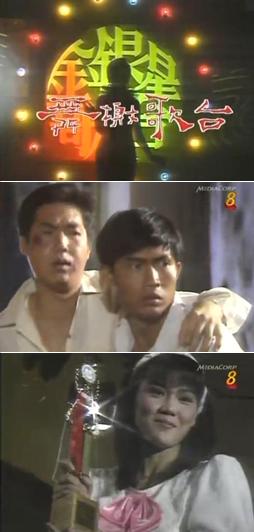 Year: 25 July 1988 to 16 August 1988
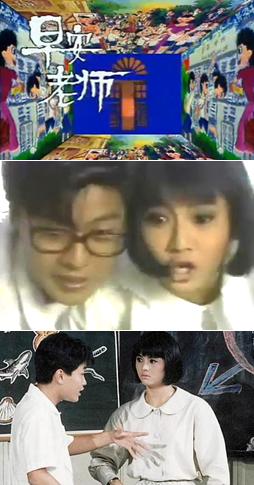 Year: 22 May 1989 to 16 June 1989
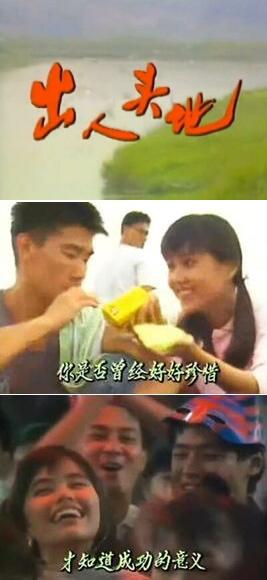 Period: 1990
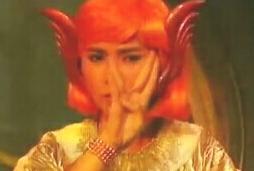 Other memorable SBC Channel 8 drama series of the eighties also include











 Remember Singapore