Landmarks of Yesteryears – Tang Dynasty City

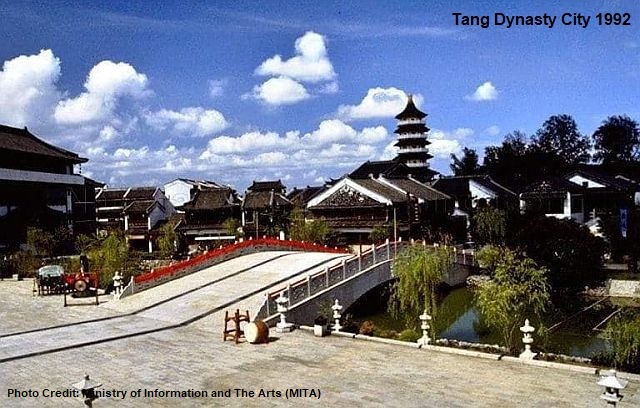
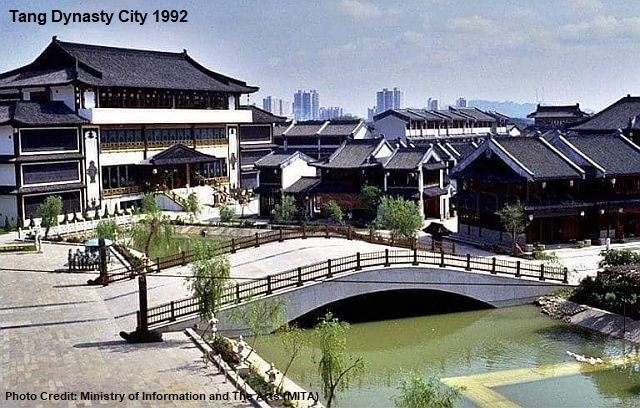
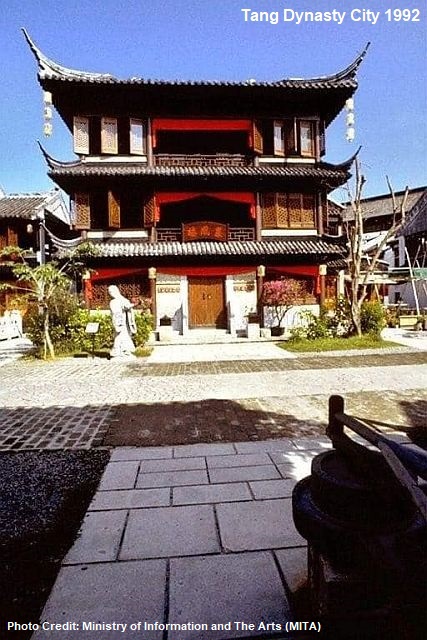
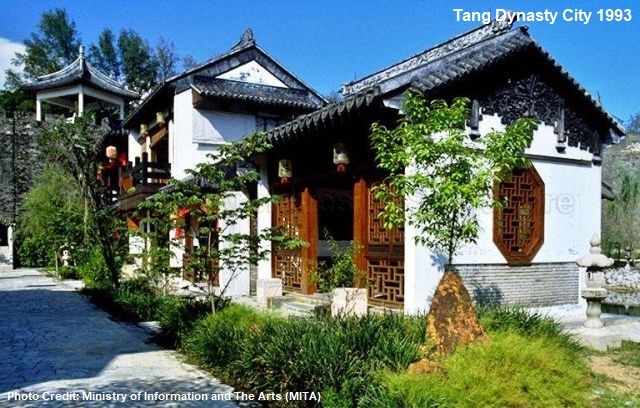
Many Singaporeans would remember the Tang Dynasty City, one of Singapore’s prominent landmarks of the nineties. Located next to Jurong Lake, the huge 12-hectare theme park was modelled after the ancient Tang Dynasty’s capital city of Chang An, the city of eternal peace. Despite its fame and hype, it was a short-lived and expensive project that lasted only seven years between 1992 and 1999.

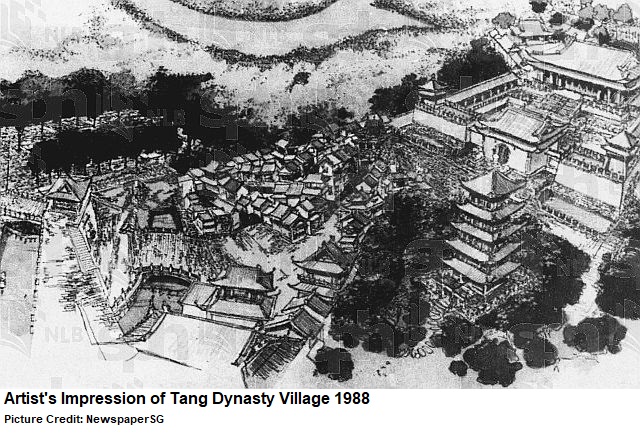
The idea of this project was first mooted in 1988. Strongly backed by the government, particularly from the Economic Development Board (EDB), Jurong Town Corporation (JTC), Singapore Tourist Promotion Board (STPB) and Ministry of Community Development, it was hoped that the theme park would become a major tourist attraction as well as a big contribution to Singapore’s movie industry.

In May 1988, the project tender was successfully awarded to Hong Kong’s Asia TV Holdings Pte Ltd. It would form a joint venture with Singapore Broadcasting Corporation (SBC), called Tang Dynasty Village Singapore Pte Ltd, to manage the park. This was SBC’s first joint venture with another corporation. The Hong Kong-based Far East Holdings International, owner of Asia TV, was the major stakeholder in the project. A 30-year lease was granted by JTC to the joint venture, with an option to extend for another 20 years.

In late 1988, the project was almost halted due to the arrest of Deacon Chiu (1924-2015), owner of Asia TV and main developer of Tang Dynasty Village. Hong Kong’s Independent Commission Against Corruption (ICAC) had charged him for falsification of bank records.

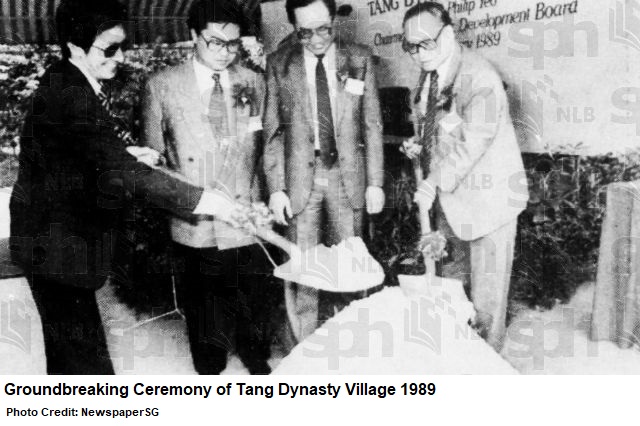
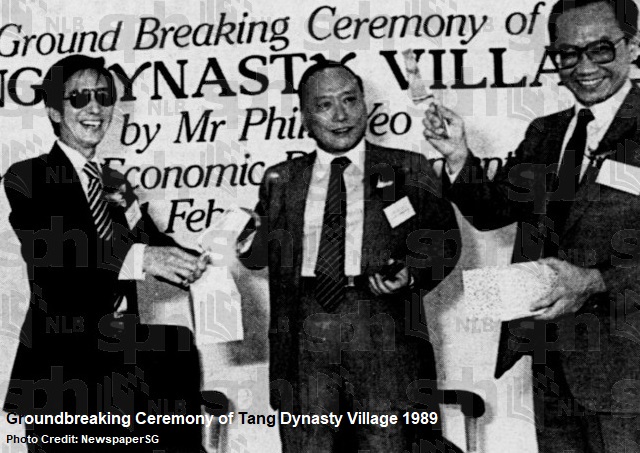
The project managed to continue despite Deacon Chiu’s high profile case. In February 1989, a groundbreaking ceremony for Tang Dynasty Village was held opposite of Yaohan Jurong, near the junction of Yuan Ching Road and Jalan Ahmad Ibrahim. The groundbreaking was led by Philip Yeo, chairman of the EDB.

Tang Dynasty Village took reference from Hong Kong’s Sung Dynasty Village, which was built in 1979 as a recreation of a typical Song Dynasty (960-1279) community. Sung Dynasty Village was also developed by Deacon Chiu.

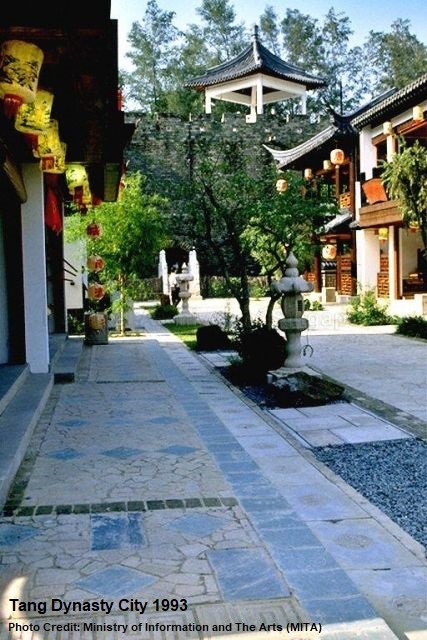
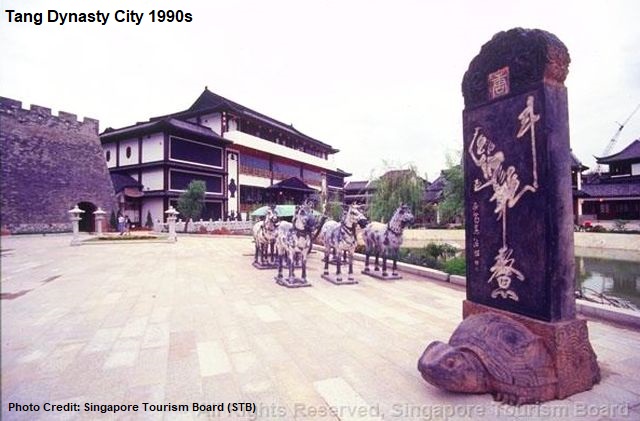
In its own style, Tang Dynasty Village featured many buildings in Tang architectural designs. There were also small-scaled replicas of the Daming Palace (大明宮, an ancient palace built by Emperor Tang Taizong), Huaching Pool (华清池, hot springs where Yang Guifei took her baths) and Small Wild Goose Pagoda (小雁塔), prominent historical landmarks that were built during the Tang Dynasty (618-907).

Besides the various Chinese-style buildings and landscaping, the park also housed three television and movie studios, retails shops and a restaurant.

The operator of Tang Dynasty Village had hoped that the theme park would attract as many as 900,000 visitors annually, whose gate receipts ($10 for entry and $25 for a guided tour) could make up more than half of the expected revenue, and the remaining from the sale of souvenirs, food and beverage. It was forecasted that Tang Dynasty Village would become profitable by its third to fifth year.

The local media was in a frenzy that Singapore would soon have its own Hollywood, or become Asia’s movie-making centre. Several Hong Kong movie companies considered relocating to Singapore in preparation for Hong Kong’s handover to China in 1997. There were even news of Italy’s Cecchi Gori Group, Europe’s largest movie producer, wanting to set up a $120-million studio complex at Jurong. A group of US film producers was reported to have visited Singapore to assess the country’s movie-making potential.

In 1990, Singapore’s largest department store chain Metro won the bid to run the retail stores at Tang Dynasty Village on a five-year deal. Deacon Chiu also ambitiously wanted to build hotels beside the theme park. By the time of its completion in 1991, the total development cost of Tang Dynasty Village rose from an initial $50 million budget to $70 million.

The 1990-91 Gulf War, however, led to the spike of oil prices, slowing down the global economy. In a rapid turn of events, Cecchi Gori Group pulled out of their interest in Singapore and even Metro reduced their retail presence in Tang Dynasty Village due to the declining number of tourists.

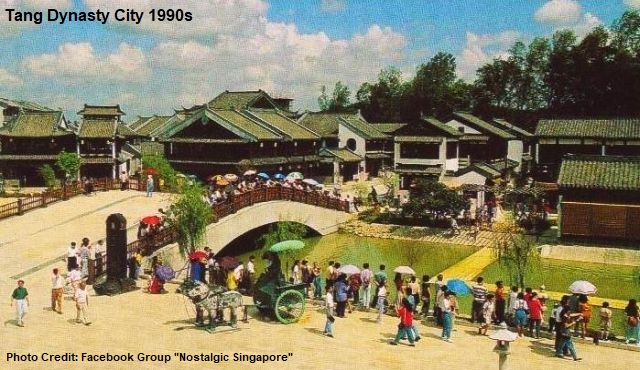
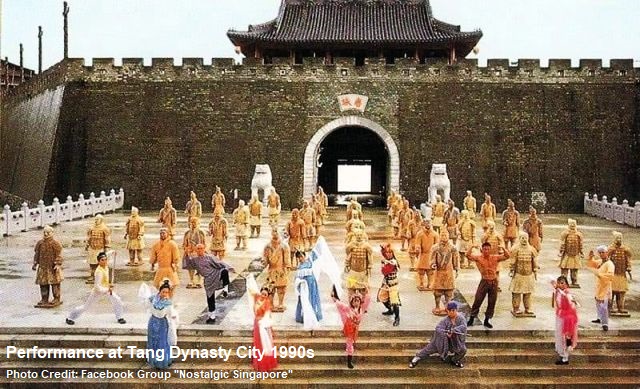
Tang Dynasty Village had a grand opening on 12 January 1992. Although only 40% of the park’s amenities were opened to the public, its opening day still attracted 5,000 visitors. Shortly after its opening, Tang Dynasty Village was renamed Tang Dynasty City to reflect its size and vibrancy. Performing troupes from China were hired and replicas of the terracotta army were exhibited as parts of the park’s attractions.

Numerous movies and dramas were shot at Tang Dynasty City. Legend of the Beauty (一代天骄), a SBC period drama, had used the park for filming in 1991, before its official opening. Hong Kong’s All’s Well Ends Well Too (花田喜事), the 1993 Lunar New Year blockbuster featuring Leslie Cheung, Rosamund Kwan and Samuel Hui, was the first movie to be shot there.

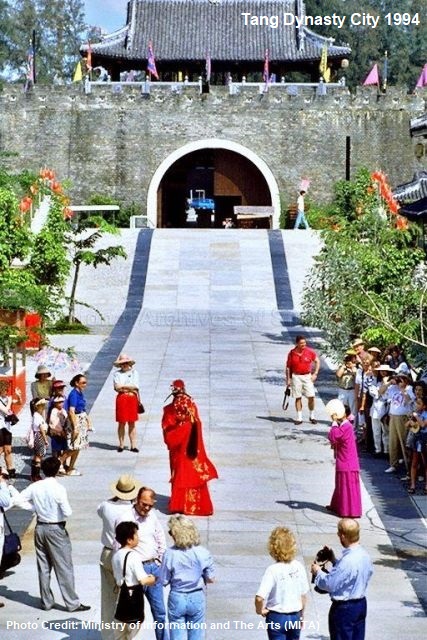
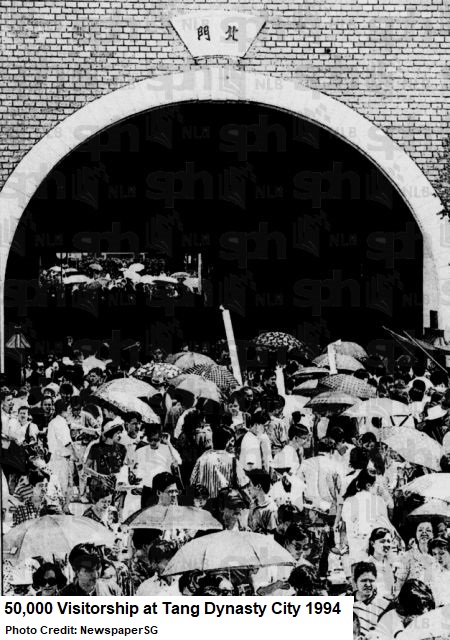
In June 1994, Tang Dynasty City saw a record 50,000 visitorship in a single day as NTUC Income subsidised the ticket prices for its staff and policyholders. The offer was to celebrate its annual family day as well as the International Year of the Family.

But by the mid-nineties, Tang Dynasty City and Singapore’s other theme parks were struggling due to falling visitorship. In order to turn things around, Tang Dynasty City invested $7 million in overseas marketing and adding of more attractive features and entertainments within the park. It also planned to build a 250-room Chinese-style hotel and convention hall.

But things were not looking good for Tang Dynasty City. It had been making losses since its opening. Its annual visitorship had fallen from 700,000 in 1994 to 400,000 in 1995. In 1996, Admiralty Investment Holdings acquired a 65% stake in Tang Dynasty City, where it planned to pump millions to rejuvenate the park. Unfortunately, the 1997-98 Asian Financial Crisis plunged its finances even deeper into the red.

The final straw came in August 1999, when Admiralty Leisure, Admiralty Investment’s subsidiary and owner of Tang Dynasty City, put itself under judicial management due to the mounting debts of almost $62 million. As it could no longer meet operating expenses, the theme park was shut down on 22 September 1999.

Without any new owner or investment, the High Court granted permission to Singapore Leisure Industries, under JTC, to repossess the Tang Dynasty City site in August 2000. The park’s equipment, relics and replicas of the warriors, horses and chariots, valued in millions, were put on sale in October 2000.

In 2001, Punggol Marina Club was keen to buy over and revive Tang Dynasty City, but its bid was rejected by Singapore Leisure Industries. In 2007, there were talks of converting the long abandoned theme park into a Shaolin-theme resort. This too did not work out, and the park was eventually bulldozed by 2009.

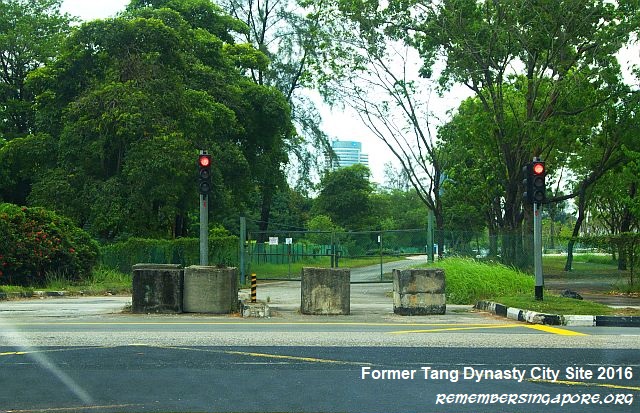
The site of the former Tang Dynasty City remains vacant till this day.

Published: 26 July 2023
Posted in General, Nostalgic | Tagged , , , , , , , , , , , , , , | 3 Comments

The Former Maritime House and its Old-School Hainanese Western Food Restaurant

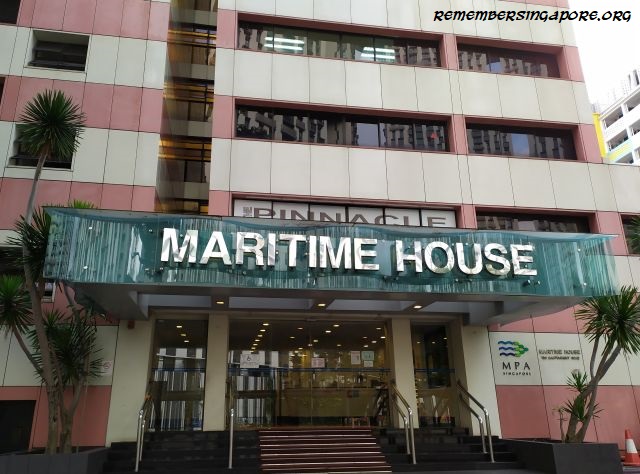
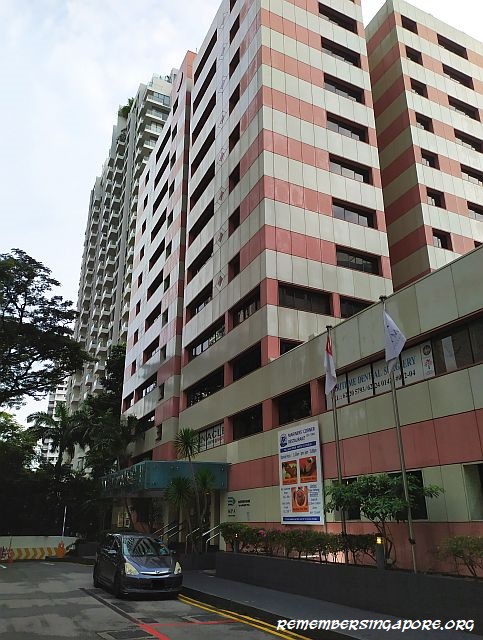
The former Maritime House building at Cantonment Road is currently undergoing demolition. After the demolition, a new Maritime House will be developed by the Maritime and Port Authority of Singapore (MPA). It is expected to be ready by late 2024.

Maritime House, completed in 1984, was used as a residential hotel for local and foreign seafarers transiting through Singapore. There were several such exclusive hotels in Singapore, one of the more well-known ones was Anson Road’s Connell House that lasted between 1925 and 1971. The former Union Building at Collyer Quay, built in 1924, was also called Maritime House.

At 15 storey tall, Maritime House consisted of offices (1st to 4th floor) and service apartments (5th to 12th floor). In September 1984, the National Maritime Board (NMB) shifted their office to Maritime House, where its original office at South Quay was taken over by the Port of Singapore Authority (PSA) for port expansion. NMB conducted harbour craft operations and manning courses and examinations for helmsmen, steersmen and engine drivers working at the ports. NMB would become part of MPA in 1996.

The building’s other past prominent tenants included Henry Noon & Company, a shipping conferences secretariat and representative for Straits Australia Conference, Straits New Zealand Conference and East Asia Rate Agreement, and Maritime Medical, a clinic that provided vaccination, evacuation and other medical services for the maritime industry. Singapore Maritime Foundation and Singapore Mariner’s Club were also housed at Maritime House.

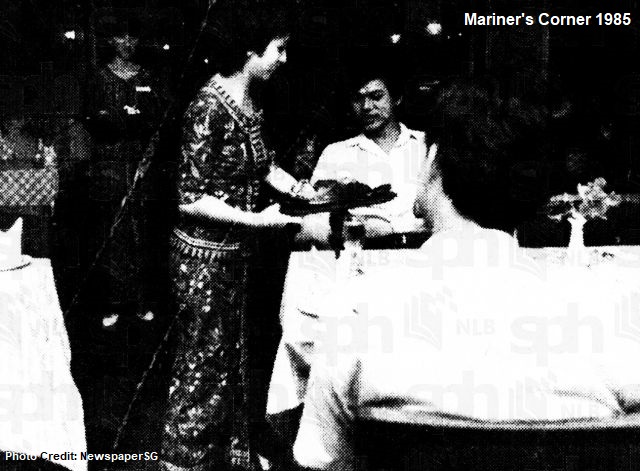
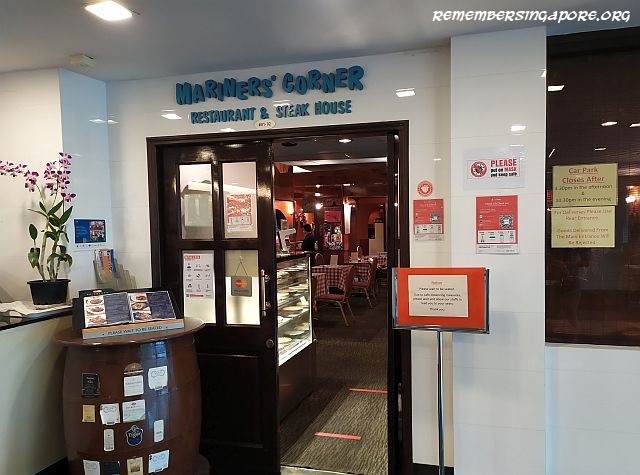
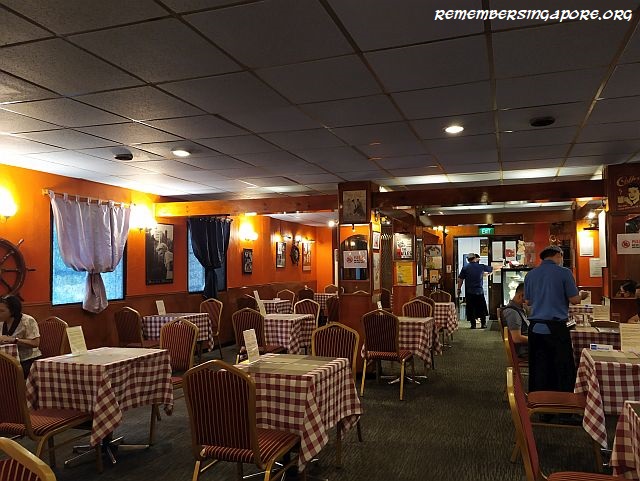
Perhaps its most well-known tenant was Mariners’ Corner, a steakhouse that was one of Maritime House’s earliest and long-lasting tenants. Opened in December 1984, the restaurant was helmed by managers Raymond Say, Steven Say and Bermuda Say, who was also the chef. They were scions of the Say family that started Jack’s Place back in the sixties. Before the establishment of Mariners’ Corner, all three had worked for the family business at various Jack’s Place outlets. This explained the similarity of the many Hainanese Western food dishes between the two restaurants.

The early Hainanese immigrants arrived at Singapore from China and many of them worked as cooks and domestic helpers in British households and clubs. Some served at the British Army Officer’s Mess and private clubs such as Tanglin Club and the Sailing Club. Over the years, a number of Hainanese picked up excellent cooking skills, combining Western cuisine with Hainanese style and flavours.

To differentiate from Jack’s Place, Mariners’ Corner improvised with new dish ideas, such as the sambal steak served on a hotplate, which proved to be popular. They also offered a small selection of local delights such as laksa, mee siam and nasi lemak. The food were served by waitresses dressed in SIA-styled uniforms, another innovative move by the air-conditioned restaurant in the eighties.

Newspapers and magazines often recommended its signature sambal steak, Dutch garlic steak and Fisherman’s Catch, made up of fish, prawns, squids and scallops, to the food lovers. The restaurant also came up with special festival dishes for Christmas and Valentine’s Days.

In the eighties, NMB regularly organised New Year dinner and dance events, held at Mariners’ Corner, for the seamen.

For more than 30 years, the Mariners’ Corner had retained its old school charm of predominately wooden interior decor and traditional checkered table clothes. The steakhouse’s menu of seafood and Hainanese-Western dishes also stayed largely the same. Seafarers from the club and executives from nearby offices in Tanjong Pagar had always been the main supporters of its business.

Maritime House’s tenants, including Mariners’ Corner, were inevitably affected when the news of the building’s redevelopment plan was announced in April 2021. In late 2021, Mariners’ Corner shifted to Sunset Way after more than three decades at Cantonment Road. Many of its former patrons still miss its former restaurant. The old place may be gone but the fond memories remain.

Published: 14 July 2023
Posted in General | Tagged , , , , , | 4 Comments

Alexandra Post Office Walks Into History

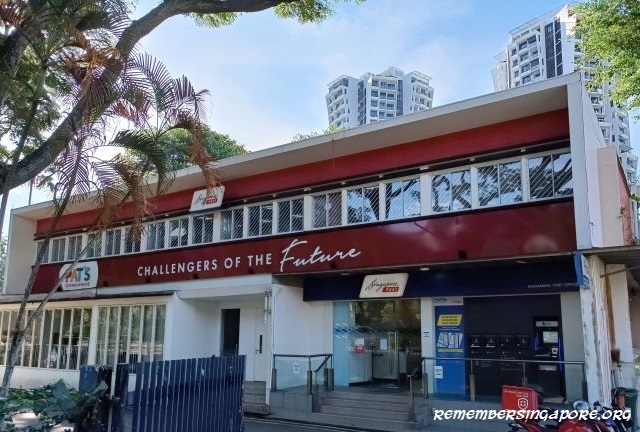
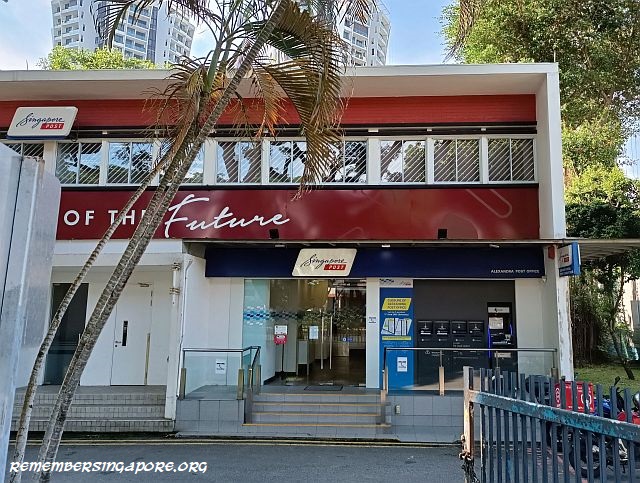
After more than six decades of postal services, Alexandra Post Office has walked into history on 17 June 2023. The site it occupied will be part of a public housing project in the coming years.

Alexandra Post Office was opened on 24 August 1957 by Francis Thomas (1912-1977), then Minister for Communications and Works. Sometimes known as Alexandra Road Post Office or Prince Philip Avenue Post Office in its early days, the $120,000 post office offered a range of services, other than mails and parcels, to more than 60,000 people living and working in the vicinity.

In the early sixties, it was one of the venues in Singapore for the public to check their names in the electoral registers for upcoming elections. Alexandra Post Office also had a public phone to serve the residents. As public phones were still not commonly installed, there were often long queues lining up at the post office’s public phone, resulting in multiple feedbacks by frustrated residents to the Singapore Telephone Board (STB) to request for more public phone installations.

Other than the standard processing of postal orders and parcels, handling of registered mails and sale of stamps, Alexandra Post Office was also the place for collection of TV and driving licenses. In the mid-seventies, a Post Office Savings Bank (POSB) branch was established at the post office, one of the 10 POSB offices in Singapore that offered computerised services.

In 1981, Alexandra Post Office was closed for five months for renovation works to improve postal facilities and services. In 1986, the post office extended the express mail service to 13 new destinations including Germany, Italy, Holland, Hong Kong, Macau and South Korea.

The two-digit postal district number system was introduced in 1950, and was replaced by a more efficient four-digit postal code system in July 1979, in order to make the sorting easier due to the increasing volume of mails every year.

Alexandra Post Office’s postal code was 0315 and 0316 (3 for its postal district code, 15 and 16 for its postal sector codes). Its PO box was 9115 (91 was the characteristic code for all PO boxes in Singapore except Maxwell Road Post Office, and 15 was the sector code for Alexandra Post Office’s PO box). PO boxes were commonly used by local companies to receive job applications in the seventies and eighties.

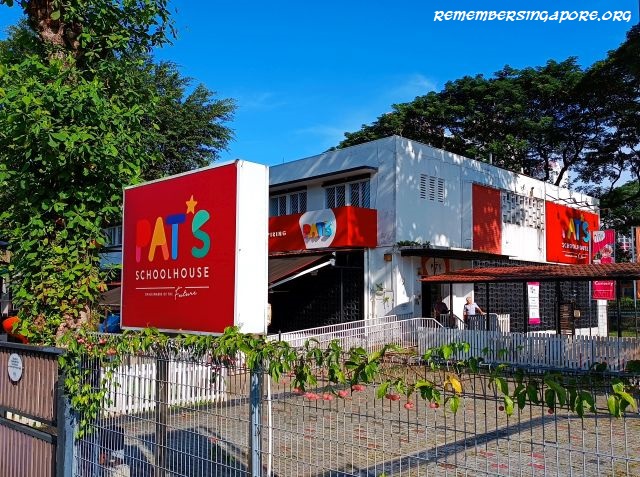
After the 2000s, many post offices were relocated into integrated hubs at the town centres to provide more convenience to the public. A few remained in their standalone buildings, including Alexandra Post Office, Siglap Post Office and Serangoon Garden Post Office. Alexandra Post Office’s last co-tenant was Pat’s Schoolhouse, a preschool for children.

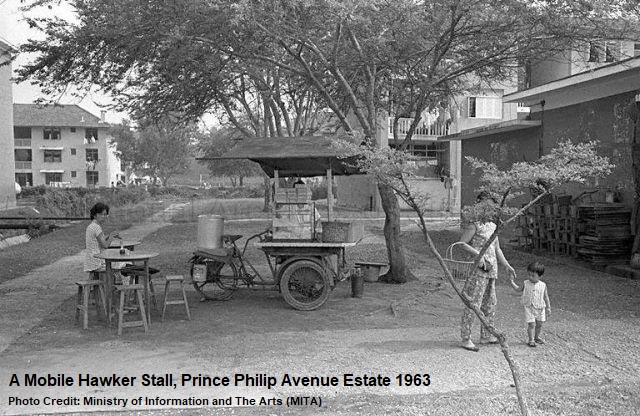
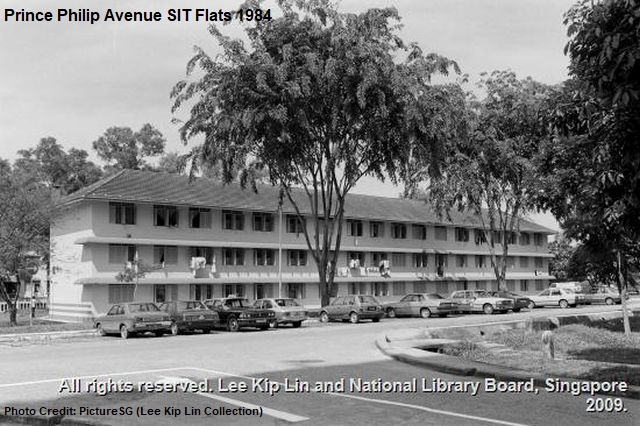
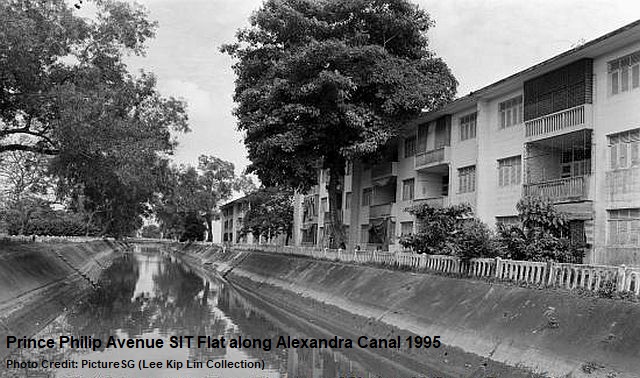
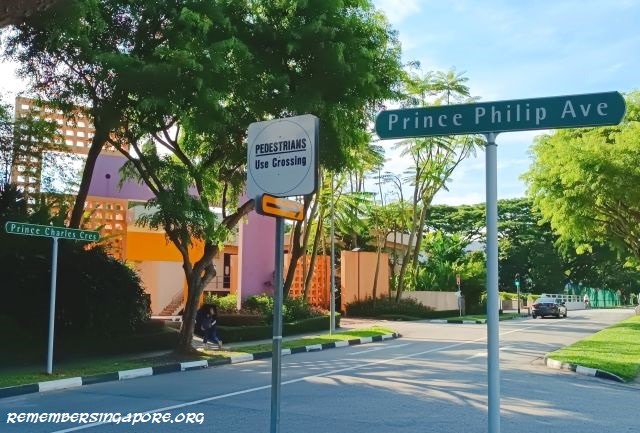
Between the fifties and nineties, Alexandra Post Office was part of a housing estate known as Prince Philip Avenue Estate and later Alexandra North Estate. It was made up of more than 70 Singapore Improvement Trust (SIT) public rental flats.

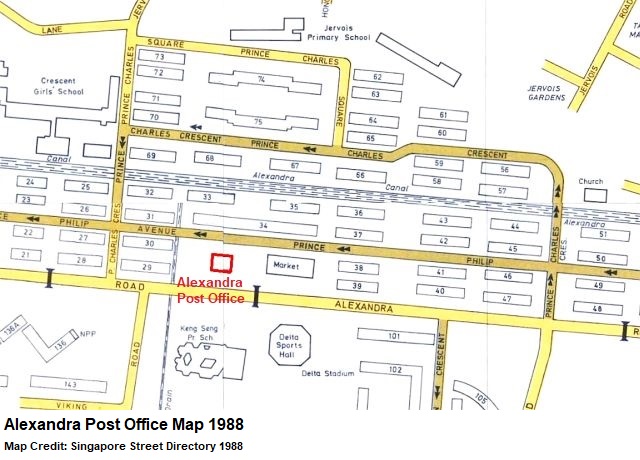
Built in batches from 1950 to 1952, these flats stood parallelly in rows in the area bounded by Alexandra Road, Prince Philip Avenue and Prince Charles Crescent. The Alexandra Canal cut through the middle of the housing estate. The blocks were typically three- and four-storey tall, and made up of one- and two-room units. Some of the blocks’ had shops at the ground levels. There was also a market, situated just beside Alexandra Post Office.

These SIT flats were part of the housing projects ramped up in the early fifties by the colonial government to cope with the increasing population in Singapore. Other similar projects were at Jalan Besar, Boon Keng Road, Havelock Road and Princess Elizabeth Estate.

Decades passed and by the early nineties, the housing estate was almost in disrepair. Many residents had relocated to newer Housing and Development Board (HDB) flats in the vicinity, but there were still about 400 long-time families living there who could not bear to leave the home where they had lived for many years.

The bulldozers moved in for the demolition in the early nineties. The housing estate’s Block 1 to 16 were the first to be torn down in 1990, followed by the demolition of Block 56 to 75 two years later. The remaining blocks were gone by 1996. Under Urban Redevelopment Authority’s (URA) 1998 Master Plan, this plot of land would be earmarked for future residential development.

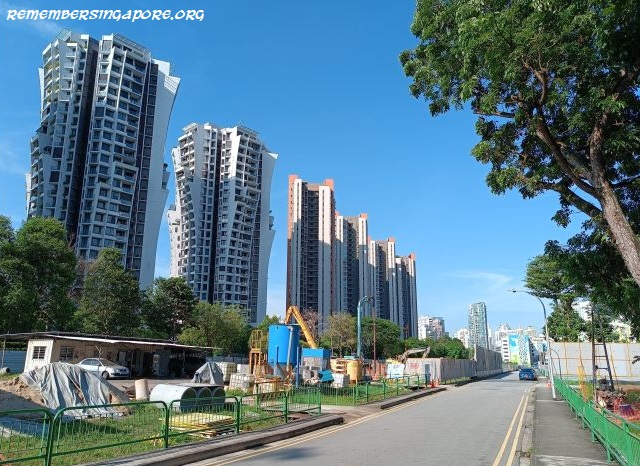
The area was then left largely vacant for 20 years until the development of new private residential projects in the mid-2010s. Between Prince Philip Avenue and Prince Charles Crescent, new condominiums The Crest and Principal Garden were built and completed in 2017 and 2019 respectively.

As for the empty site between Prince Philip Avenue and Alexandra Road, the government announced in 2021 that it will be used for public housing development, where as many as 1,500 flats will be built.

Published: 18 June 2023

Posted in General | Tagged , , , , , , , , , | 1 Comment

“Little Thailand” No More… Rejuvenation of Golden Mile Complex

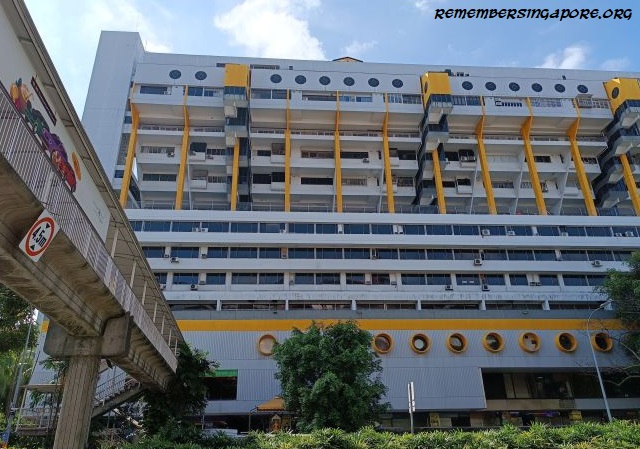
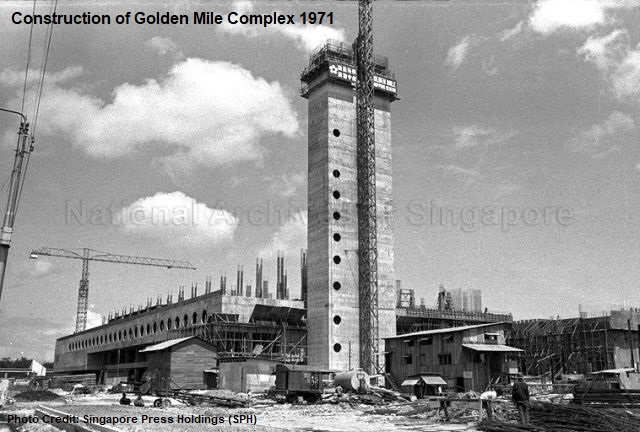
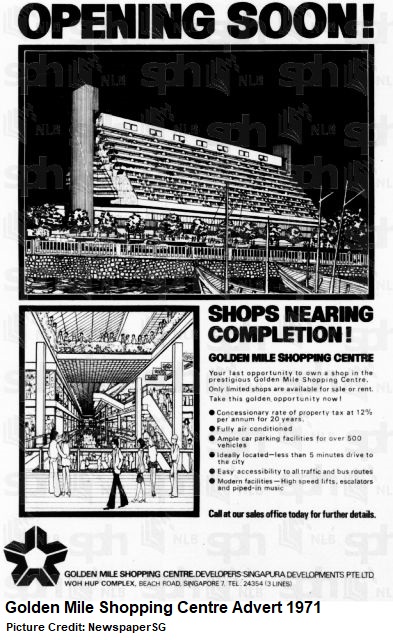
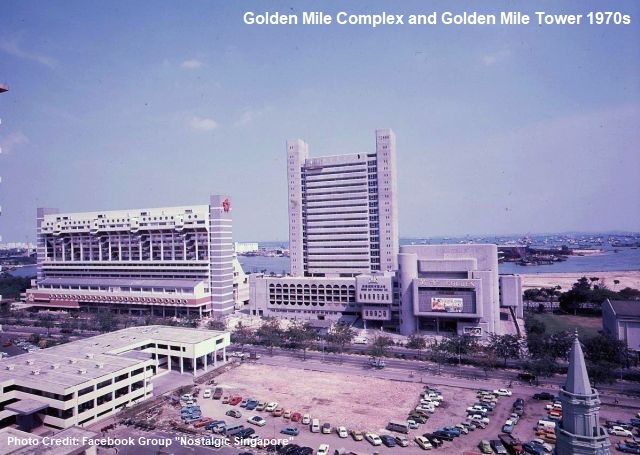
In the late sixties, the Singapore government launched several urban renewal projects at the city and downtown areas. The land between Beach Road and Nicoll Highway, dubbed as the Golden Mile, was one of the options for development. By 1973, a new uniquely-shaped building Woh Hup Complex – better known as Golden Mile Complex – was completed at the site.

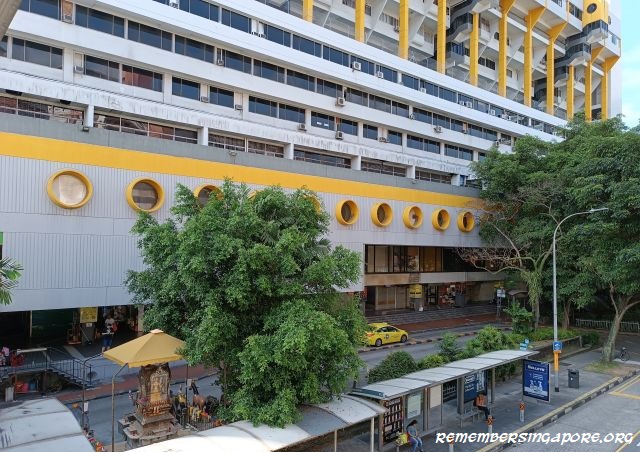
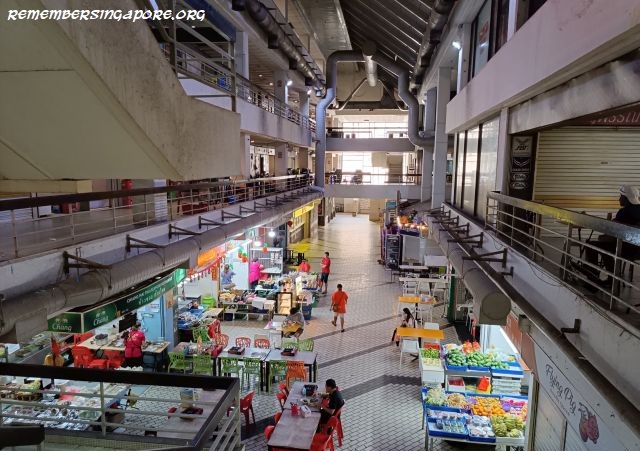
The $18-million Woh Hup Complex was often lauded as an architectural wonder – its stepped terraces, designed to increase ventilation and natural light within the building, created a distinctive image of a sloping façade from far and made it a prominent landmark along Beach Road.

The design and development of the complex was mostly carried out by homegrown companies. Singapura Developments, one of Singapore’s major private developers, was awarded with the project, who then hired local architect firm Design Partnership (DP Architects today) and contractor Woh Hup to design and construct the building.

Woh Hup Complex was opened on 28 January 1972, ahead of its completion, by YK Hwang, the managing director of the Industrial and Commercial Bank. At the time of its completion, it was one of the first large-scale mixed developments in Singapore. The 16-storey building was an integration of commercial, recreational and residential uses, where the top seven floors were occupied by residential units, fourth to ninth storeys by offices, and the first to third levels made up of shops that collectively formed the Golden Mile Shopping Centre. These strata-titled retail shops and offices were marketed by the developer in 1971 to attract interested buyers.

In 1974, the 24-storey Golden Mile Tower was opened beside Woh Hup Complex. Its Golden Theatre was once Singapore’s largest cinema with 1,500 seating capacity. The two neighbours shared an underpass that linked the buildings together. Woh Hup Complex became more popularly known as Golden Mile Complex.

The shops at Golden Mile Complex in the seventies and eighties sold a wide range of products, ranging from electrical appliances, cameras and watches to videotapes, jewellery and gym equipment. There were also technical training centres offering courses. One specialised shop, one of the only three in Singapore, offered sporting firearms including airguns, rifles, pistols and revolvers.

This “selling everything under one roof” concept reflected a change in the locals’ shopping habit. Singaporeans could now drive to the complexes, buy all they need in those buildings, and drive away without having to go to another part of the city area.

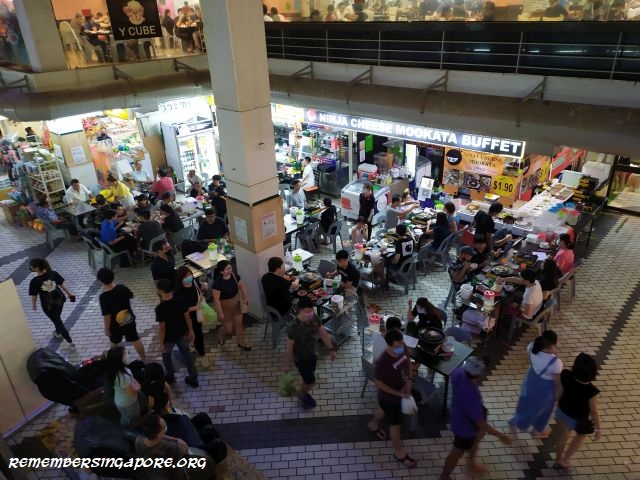
Travel agencies had also moved into Golden Mile Complex; it was a common sight to see Malaysia-bound coaches lining up outside the complex, which in the seventies and eighties also functioned as the unofficial terminal for buses plying the Singapore-Hat Yai (Thailand) route. It would take as much as 18 hours for the buses to travel between the two countries. Thai vendors often brought in newspapers, magazines and other Thai goods to sell at Golden Mile Complex.

Golden Mile Complex’s residential units were also in hot demand as they commanded a  great sea view. A typical two-roomed unit at the complex would fetch about $73,000 in 1979.

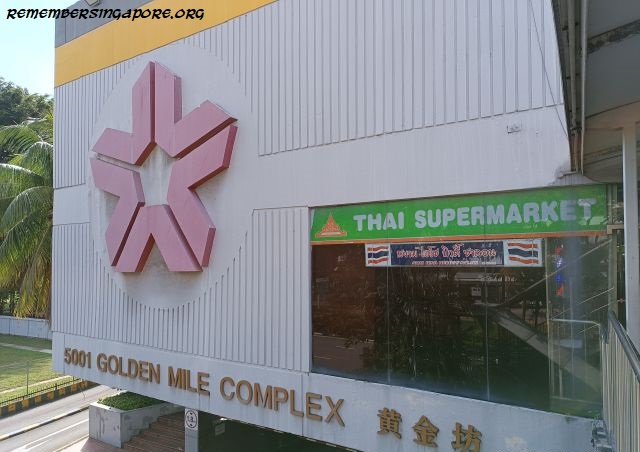
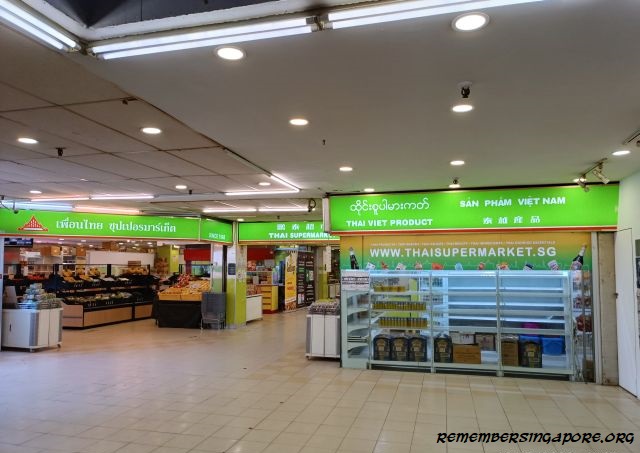
Golden Mile Complex’s affiliation with Thai cuisine and culture probably began in 1983 when First Thai Siam Snack House, the first and possibly only snack bar in Singapore that offered Thai food, opened at the ground level of the complex. At the same period, the travel agencies at Golden Mile Complex also heavily advertised holiday destinations and affordable air tickets to Bangkok, Pattaya and Hua Hin.

With more and more Thai stalls and shops popped up, food critics praised the dining and shopping experience at Golden Mile Complex as like being at Thailand’s famous bustling Pratunam. By the mid-eighties, Golden Mile Complex was nicknamed the “Little Thailand” or “Little Bangkok”, popularly known for its authentic and reasonably-priced Thai cuisine. It also became a gathering enclave for the Thai residents and workers in Singapore, who felt at home with their familiar Thai music, food and merchandise at the complex. In 1987, there were about 20,000 Thai workers in Singapore, which increased to 50,000 by the mid-nineties.

In the 2000s and 2010s, mookata, a Thai barbeque steamboat, had rapidly garnered a following in Singapore. Golden Mile Complex, over the years, had numerous popular mookata restaurants and eateries occupying the first and second floor of the building.

Golden Mile Complex was plagued by maintenance issues in the eighties, to the extent that 32 angry tenants and proprietors came together in 1983 to submit a petition to the building’s facility management to complain about the frequent water supply disruptions, lift breakdowns, peeling wall paints and defective corridor lights. In 1984, the shopowners and residents had to endure heat and stuffiness for several months after the building’s air-conditioning system broke down.

The toilets at Golden Mile Complex were rated in 1988 as one of the dirtiest and most poorly-maintained toilets in Singapore. In 1991, a fire damaged the building’s generator room, causing a massive power outage for days.

Another issue was the illegal immigrants working and staying at Golden Mile Complex. The immigration officers collaborated with the police to carry out multiple raids at the complex over the years, with one of the largest operations launched in 1989. 370 suspected illegal Thai immigrants were apprehended, where 160 were charged for overstaying, having no documents or having forged work permits. As many as 10,000 illegal Thai workers were sent home under the amended Immigration Act that came into effect on 31 March 1989.

In 1990, a rumour spread like wildfire at the Thai workers’ dormitories and their hangout spots at Golden Mile Complex. In just 10 weeks, 10 young and healthy Thai workers were found to have died in their sleep. It was likely due to the inhaling of the emitted toxic fumes when the workers cooked glutinous rice in PVC pipes.

But many Thais believed it was due to an evil female spirit that took the victims’ life. Some would paint their fingernails and even apply make-ups before going to sleep, so that the ghost would mistaken them as women. A deeper look at these unfortunate incidents revealed the poor and harsh living conditions of these workers. Many had to squeeze into small bunks and resorted to unconventional ways of cooking in order to save money.

By the mid-nineties, the image of Golden Mile Complex swiftly deteriorated in the eye of the public. Rowdy drunkards, frequent brawls, sleazy nightclubs and high-profile stabbing and murder cases were some of the negative impressions portrayed by the place. The complex was also poorly maintained with dirty toilets and stained corridors. Some of the residents patched their balconies with unsightly zinc sheets and wooden boards.

From an architectural marvel in its early days, Golden Mile Complex had become, to some people, an eyesore and was even labelled as a vertical slum by Dr Ivan Png, the Member of Parliament between 2005 and 2006. There were even suggestions to demolish the complex.

After the 2000s, the owners of Golden Mile Complex tried several times to sell the property via en-bloc deals, but without successes. In 2021, Golden Mile Complex was officially gazetted as a conserved building. A year later, with 80% of the strata-titled shop and unit owners agreeing to the deal, the complex was acquired for $700 million by a consortium made up of Far East Organization, Perennial Holdings Private Limited and Sino Land.

The new owners are allowed to rejuvenate the building with incentives offered by the Urban Redevelopment Authority (URA), such as adding a tower of floor area not more than one-third of the existing building and a renewal in its 99-year lease.

Golden Mile Complex shall present its new clean image in a few years’ time. But “Little Thailand”, and all its accompanying memories, good or bad, were gone forever.

Published: 26 May 2023
Posted in General | Tagged , , , , , , , , , , , , | 2 Comments

The Last Days of Kampong Lorong Fatimah

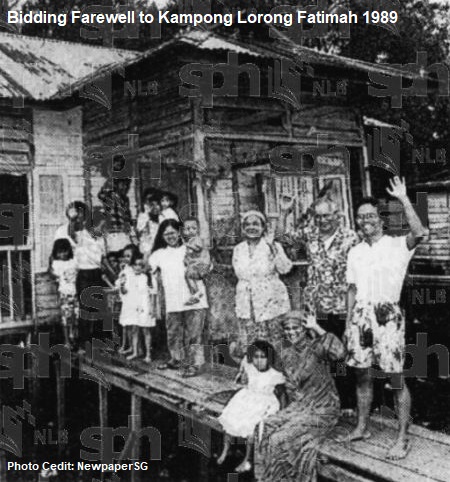
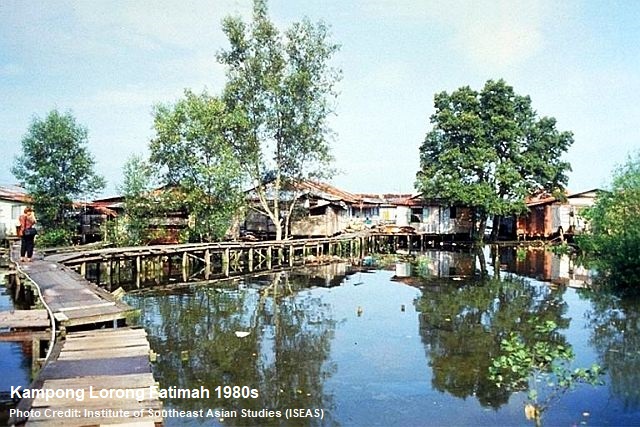
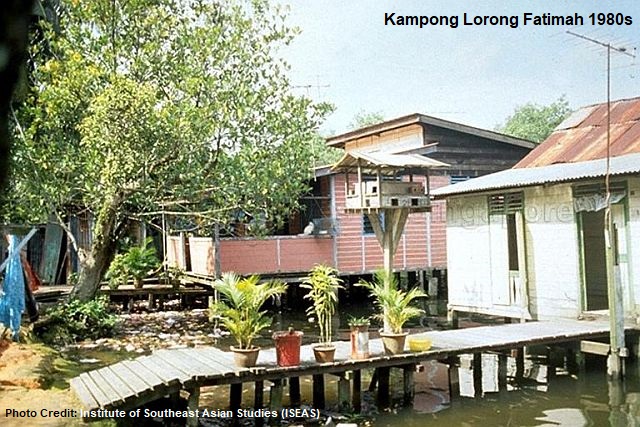
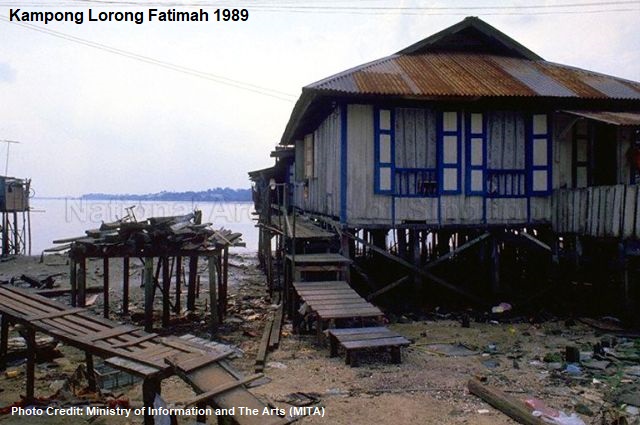
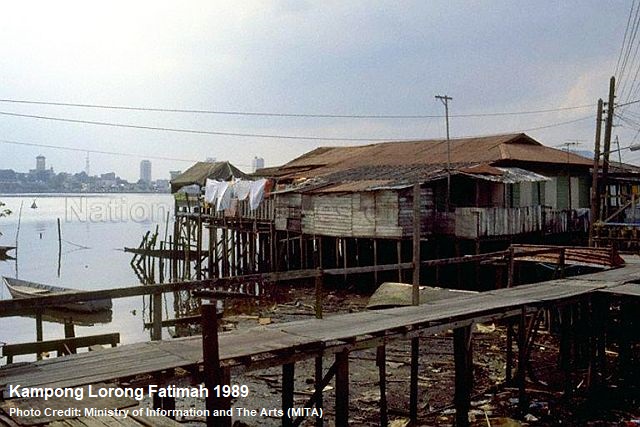
It was 1989. The Malay coastal village of Kampong Lorong Fatimah was a pale shadow of its former bustling days because by August that year, most of the 40 to 50 remaining families had moved out and resettled at the Housing and Development Board (HDB) at Woodlands, Yishun and other nearby estates. The peaceful rural atmosphere, abundance marine life and sound of lapping waves at the doorsteps of these residents gradually became memories as they got used to a different living style in the high rise flats.

In September 1989, about 1,500 Kampong Lorong Fatimah residents gathered for a final time to bid farewell to their beloved village. A sea carnival was organised by the village committee, with bonding activities such as a sampan tug-of-war. But the biggest event was the jong race which attracted 50 enthusiasts from all over Singapore to compete.

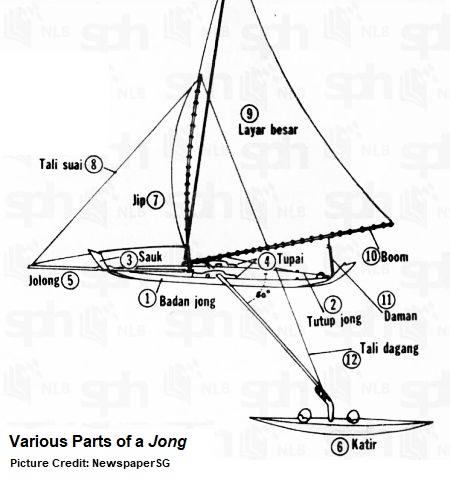
Jong is a traditional small wooden sailing boat, and jong racing is a popular pastime among the Malays, particularly those living at the coastal areas of Siglap, Pasir Panjang and the Southern Islands. A seasonal sport depending on favourable winds, jong racing has been associated with the sea-faring life of the coastal Malays since hundreds of years ago.

In a jong race, the participants usually compete in two races, called “sampai dulu” and “mengganakan gol“, where the winner is the first jong to dash across the finishing line and steer home between two long posts (15m to 18m apart) respectively.

Several local photographers and painters also made their way to the village to capture the last images of Kampong Lorong Fatimah, one of the few remaining villages in Singapore as the country progressed into the nineties.

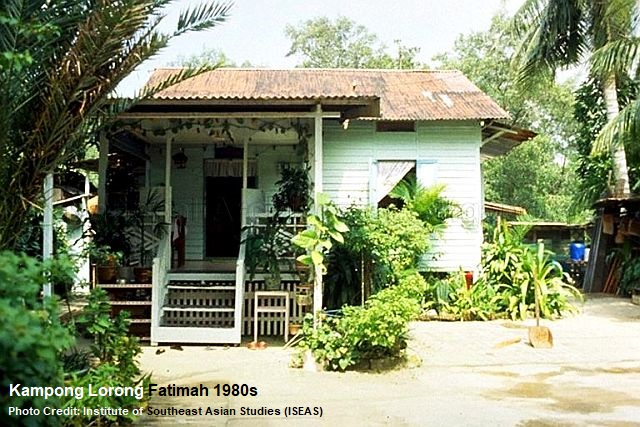
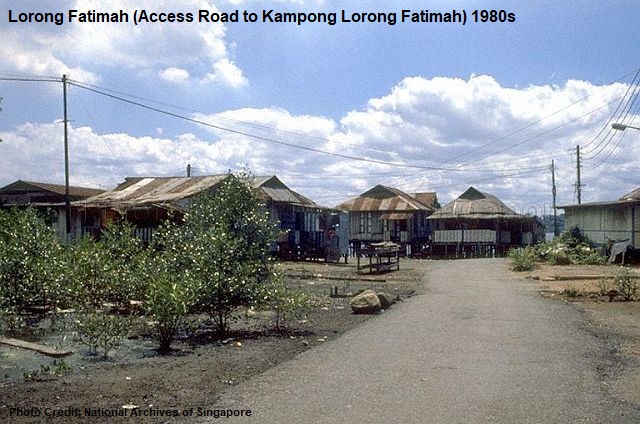
There were generally two types of houses at Kampong Lorong Fatimah. The better, or atas ones were built on higher grounds and had ready access to water supply and amenities. Some were Malacca-style designed with verandah and stone steps. The others were lower dwellings, or bawah, that stood in the waters on wooden stilts. They were also more likely to be affected by the occasional floods.

A typical kampong house, with a living room, bedrooms, kitchen and prayer room, would cost between $2,000 to $3,000 in the sixties. The space around the houses could be used to plant coconut and rambutan trees and keep poultry.

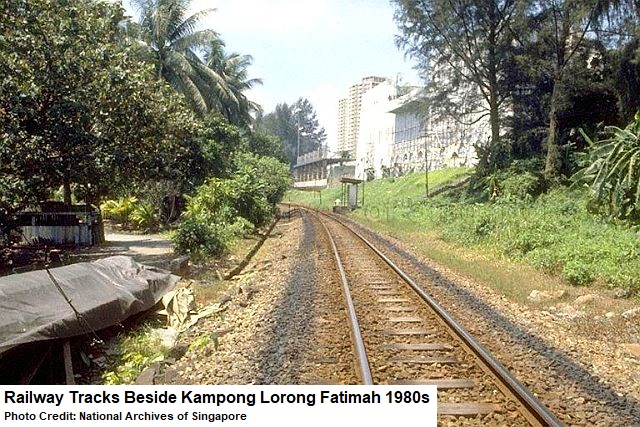
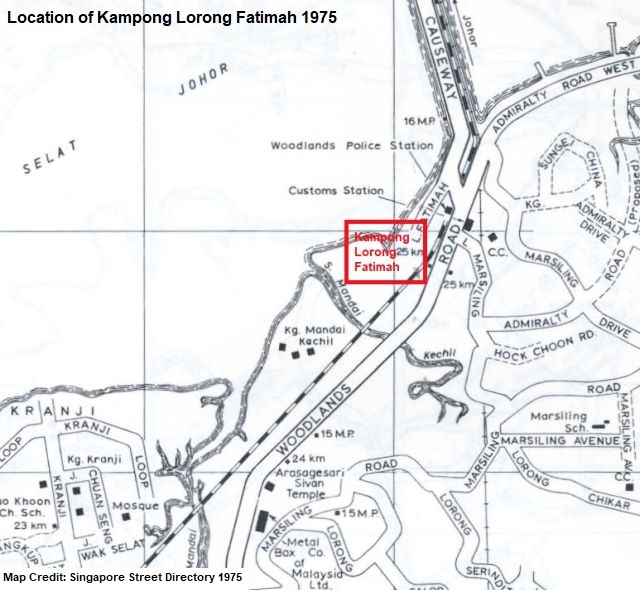
Lorong Fatimah, a short access road off Woodlands Road, led to the village. At the rear of Kampong Lorong Fatimah were railway tracks that ran between Tanjong Pagar and Woodlands. The residents were used to the sight and sounds of trains plying between Malaysia and Singapore. But unfortunately there were tragedies over the years, when children and elderly got knocked down and killed by the passing trains.

For the tenants who rented houses at Kampong Lorong Fatimah, there was a difference too, in the rental costs. Those houses near the railway tracks were standing on lands owned by the Malayan Railway Administration (MRA); their rental prices were about $10 per month. About 50 out of the 70 houses in the village were within the MRA boundary. The rest were on Singapore’s lands, and their rentals were at a lower $12 to $16 a year rate.

Further down the coast was another village called Kampong Mandai Kechil, located next to the small river of Sungei Mandai Kechil. In the sixties, there were five major villages at the Woodlands area. Other than Kampong Lorong Fatimah and Kampong Mandai Kechil, there were also the Marsiling Village, Kampong Sungei Cina and Kampong Kranji.

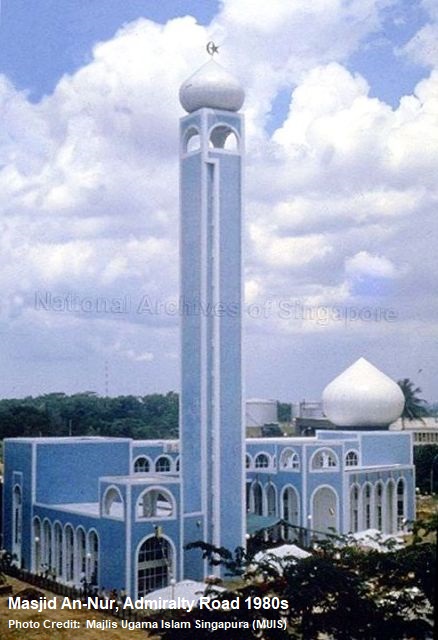
Each of these villages had its own surau (prayer room), but the Muslim residents lacked a proper mosque for their religious needs. They decided to form a committee to raise funds and seek a suitable site. It was not until the seventies when the Majlis Ugama Islam Singapura (MUIS), also known as the Islamic Religious Council of Singapore, collaborated with the Housing and Development Board (HDB) to build a mosque at the junction of Woodlands Road and Admiralty Road.

The new mosque named Masjid An-Nur was completed and officially opened on 20 April 1980. Known as the Blue Mosque of Singapore, it cost $2.1 million in construction and was the pride of the Muslim community at Woodlands, who waited almost 20 years for it. Many Muslim travellers and tourists from Malaysia also visited the mosque, often their first stop in Singapore, for prayers.

Electrical supply came to Kampong Lorong Fatimah in 1958 when the Singapore Rural Board and City Council shortlisted the village as one of the seven villages in Singapore to receive electrification. Like many other villages, Kampong Lorong Fatimah was also chosen as a venue for free movie shows organised by the Ministry of Culture in the sixties as a recreational benefit for the residents. Telecommunication services were inadequate though; the village had only one public phone booth even in the eighties.

The development of Kranji and Senoko industrial estates in the seventies and eighties ensured there were plenty of jobs available for the Woodlands residents, including those from Kampong Lorong Fatimah. Over the years, numerous residents left the village, while a few families moved in. It was still a close-knit community; the residents mingled together during a wedding or kenduri (religious feast). The peace and harmony of the village was maintained by its penghulu (village head). This lasted until the village’s final days in the late eighties.

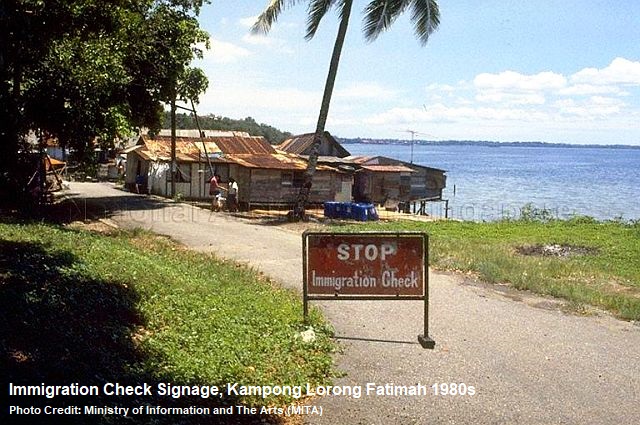
Kampong Lorong Fatimah was unique in a sense that it was the only village in Singapore with its entrance guarded by an immigration officer due to its close proximity to the customs. The residents often stayed together with their Malaysian relatives here. At the immigration post, the Singaporeans would show their identity cards to enter the village, whereas the Malaysians just needed to flash their passports.

It was not exactly known when Kampong Lorong Fatimah first started. It might began just after the war, and gradually grew in size over the years. The village was named after Fatimah binte Haji Haron (1893-undetermined), a Malay women’s activist who advocated education for Malay women. She established the first branch of a Malay girls’ school called Sekolah Menysal (“School of Disappointments”) at Arab Street in 1945, where Malay women from 15 to 60 years old could enrol. In 1948, Fatimah binte Haron was appointed as a Justice of Peace, along with 17 other prominent women, by the colonial government for her contributions to the society.

Fatimah binte Haron was married to Tengku Kadir, a member of the Kampong Glam royal family. She also served as the secretary, and later president, of the Ladies Section of the Malay Union in Singapore. For Kampong Lorong Fatimah, she also helped them built a surau and other improvements to the village.

Years after the village was vacated and demolished, some residents still returned to the site to reminisce the good old days. The area, acquired by the government, underwent land reclamation works in the early nineties followed by the construction of a new checkpoint complex and roads. The new Woodlands CIQ (customs, immigration and quarantine) Complex, also known as Woodlands Checkpoint, was eventually opened on 18 July 1999. By then, Kampong Lorong Fatimah had walked into history for nearly a decade.

Published: 26 April 2023

Posted in General | Tagged , , , , , , , , , , , , | 6 Comments

A Vanishing “Countryside” of Horse Stables and Lush Greenery

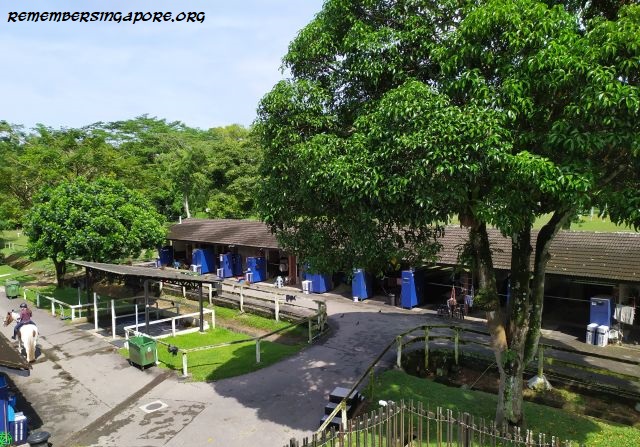
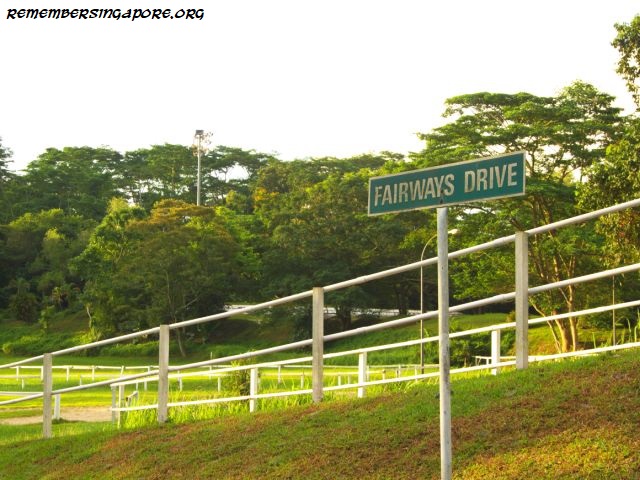
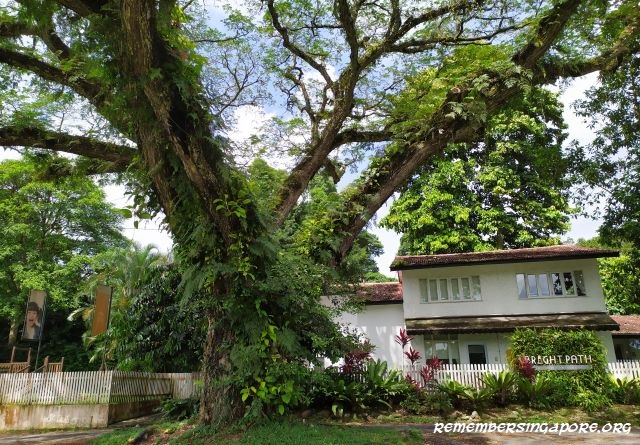
This used to be a go-to place for horse riding and coffee drinking. Tucked at the end of Fairways Drive, off Eng Neo Avenue, the horse stables and rustic surroundings resemble a quiet countryside unlike other parts of Singapore.

But the decades of peace and tranquility ended in 2023 when the area was earmarked for the redevelopment and tunneling works of the new Cross Island Line, Singapore’s eighth Mass Rapid Transit (MRT) line. A new Turf City MRT Station will be built under the former racetracks during the Phase II of the project and is expected to be completed by 2032.
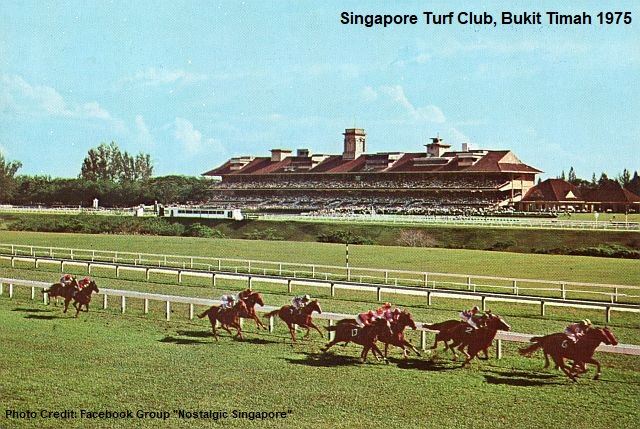
The history of horse-racing in Singapore went all the way back to the mid-20th century, when the Singapore Turf Club was founded in 1842 at Farrer Park. The first race was organised in the following year.

Singapore Turf Club went on to acquire the Bukit Timah Rubber Estate in 1927 and built Singapore’s second racecourse in 1933, which became commonly known as the Bukit Timah Turf Club.

In 1941, due to the impending war, the British military took over the turf club’s premises and converted the grandstand and adjacent buildings into a convalescent hospital. The stables and syces’ quarters were used to store military transport. Obstacles were placed on the racetracks to prevent the Japanese planes from landing.

During the Japanese Occupation, the turf club’s premises was taken over by the Japanese to be used as a prisoner-of-war (POW) camp. The finest horses were confiscated and shipped to Japan, whereas the lawns were planted with banana, papaya, tapioca and other vegetables.

When the British returned after the war, they found the racecourse and buildings in shambles and filled with damaged military vehicles and equipment. It would take several years to repair Singapore Turf Club before it could return to its pre-war glory days.

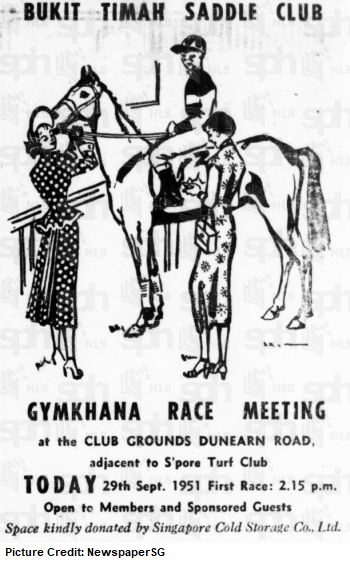
In 1948, a British horse owner and trainer Jack Spencer, who had been living in Malaya since 1923, decided to lease some 30 acres of land at Bukit Timah Road to start his private club. At first, the club had only 10 members, but by the Christmas of 1950, it had expanded to 59 members.

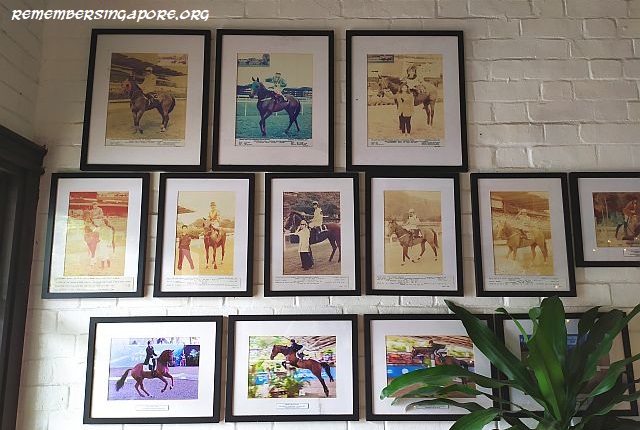
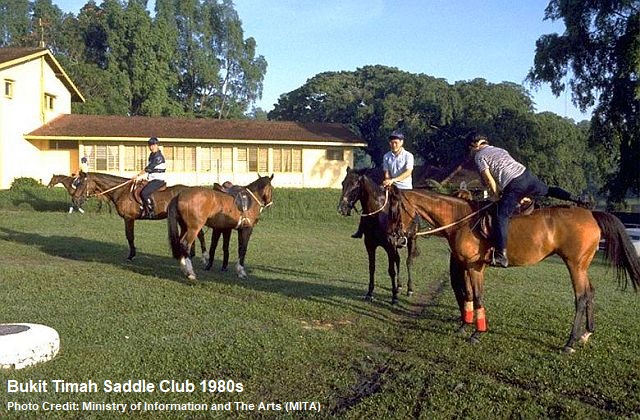
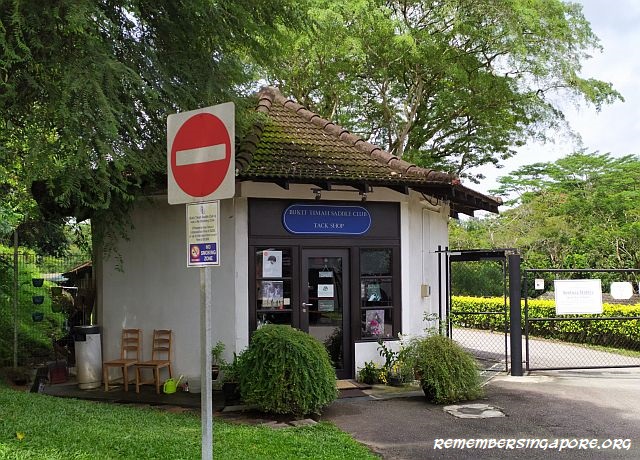
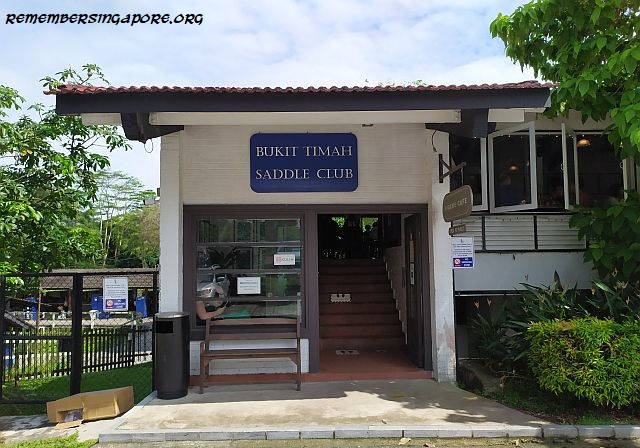
In the early fifties, the club, officially named Bukit Timah Saddle Club, had possessed 22 horses and 13 ponies. It also assembled its own team of blacksmith, mandor and 30 syces to take care of the horses. A training centre was also established to train talented young boys into apprentice jockeys. The club’s horses, many of them old retired racehorses from the Singapore Turf Club, became training horses for the new and amateur riders.

Many local movies had loaned horses from the Bukit Timah Saddle Club, which also provided basic riding lessons to the actors and actresses.

After its establishment, Bukit Timah Saddle Club actively participated in gymkhana events at other parts of Malaya. In 1951, it sent nine horses to Penang, competing with other jockeys from Ipoh and Taiping in a number of equestrian events. In Singapore, the club frequently collaborated with the Singapore Polo Club to organise local gymkhanas consisted of walking races, high jumps and obstacle courses.

By 1953, Bukit Timah Saddle Club’s members had grown to 152; most of them were British, expatriates and wealthy locals. It would cost the members an annual fee of $25, with additional $5 for each hour of riding.

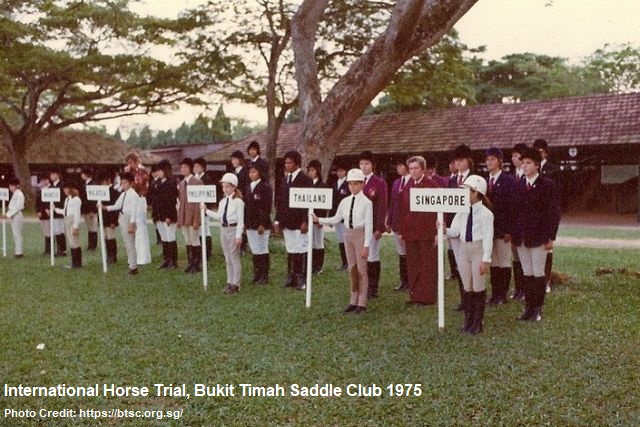
In 1975, Bukit Timah Saddle Club, Singapore Polo Club, Singapore Civil Service Recreation and Sports Council and the Singapore branch of the Pony Club jointly organised the first ever international Horse Trial, where Malaysia, Indonesia, Thailand, Philippines and Hong Kong were invited to send their junior riders to take part in this equestrian competition of skills and courage.

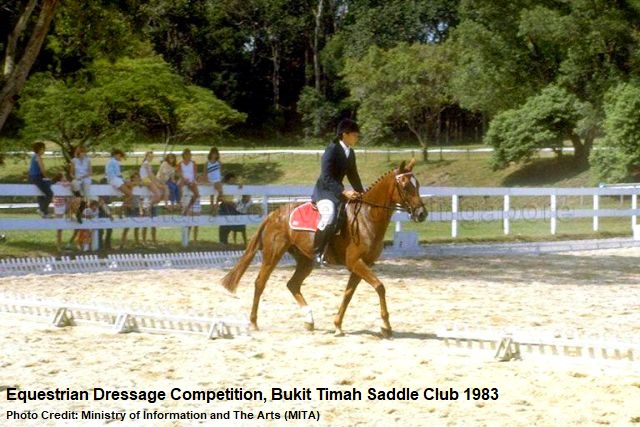
Equestrianism was added to the 12th Southeast Asian (SEA) Games in 1983. Hosted in Singapore, it was the first time there was an equestrian competition event in the SEA Games, delighting the equestrian fans. However, squash, cycling, rugby, softball and gymnastics were omitted from this major biennial and regional sporting event, upsetting many of their associations and societies.

The Singapore team won four gold and one bronze medals in the equestrian competitions at the 1983 SEA Games.

Bukit Timah Saddle Club in 1988 fell into an internal strife when the club was divided into two camps, one by the locals and the other by the expatriate members, over accusations of double standard practises in the reallocation of stables and resources.

Some members were threatened to have their horses put down and stables closed. This was because by the late eighties, the club had only 82 stables to serve 250 members, resulting in extremely tight space and a long waiting list.

Singapore Turf Club was dissolved in 1988, replaced by the new Bukit Turf Club under the management and regulation of the Singapore Tote Board (Bukit Turf Club changed its name back to the original Singapore Turf Club in 1994).

Bukit Turf Club opened the Green Fairways (Champions Public Golf Course today), the first public nine-hole golf course in Singapore, in November 1990. It was located just beside the Bukit Timah Saddle Club. A minor road was built off Eng New Avenue as a direct access to Green Fairways. It was called Fairways Drive, named after the new golf course.

With the new road, it also became easier for the public to access Bukit Timah Saddle Club. Bukit Turf Club went on to open Greendale Riding School, Singapore’s first public riding school, in January 1991.

The new riding school was meant to promote affordable horse-riding interest among the ordinary folks, hence it offered zero annual membership fees and only charged hourly riding fees. During its peak, it had 300 members. But Greendale Riding School could only manage to last for a few years before it was closed in 1997 due to a lack of qualified riding instructors.

Since the eighties, there were proposals to shift the Singapore Turf Club to other areas – some had suggested Tuas – in order to free up the prime lands at Bukit Timah, as well as to improve the heavy traffic conditions along Dunearn and Bukit Timah Roads.

Singapore Turf Club was eventually relocated in 1999 to a new $500-million racecourse at Kranji. Even though its Bukit Timah site was designated for future residential use in the government’s 1998 Master Plan, the area remained untouched for years and has since evolved to become a place known for second-hand car dealerships and seafood restaurants.

On the other hand, Bukit Timah Saddle Club stayed on for another 24 years after the relocation of the Singapore Turf Club. The retired race horses continued to be re-trained for activities such as show jumping and dressage. The club also became an approved riding and examination centre for the British Horse Society (BHS) in the 2010s.

In end-February 2023, at the time of the closure of its old premises, Bukit Timah Saddle Club had as many as 78 horses. They were all transported to their new facilities at Kranji.

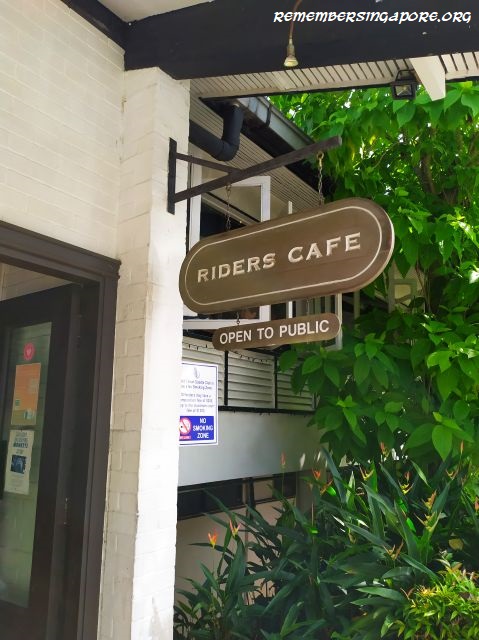
The popularity of this rustic area was also partly due to the Riders Café, which was established in 2007 and housed in one of Bukit Timah Saddle Club’s buildings in front of the stables. The little restaurant was especially crowded during the weekends, where its patrons could enjoy their brunch and coffee in a relaxed lush “countryside” environment. With Bukit Timah Saddle Club’s shift to Kranji, Riders Café decided to cease its business after 16 years.

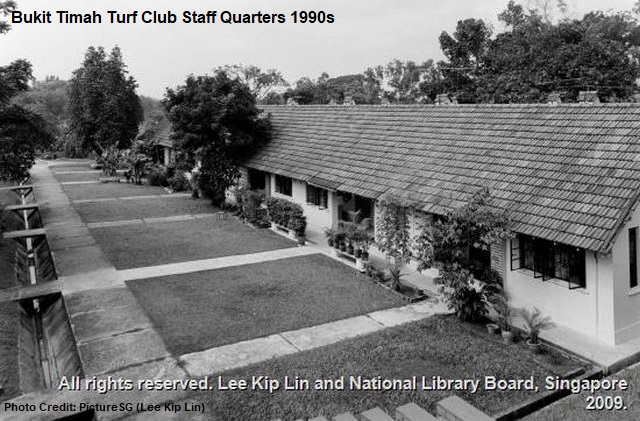
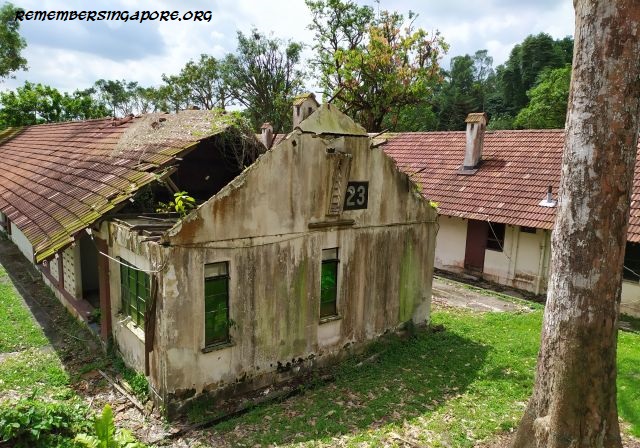
Similarly affected by the coming redevelopment works is a cluster of old single-storey buildings. It is likely that most of the buildings – 19 of them – will be torn down in the near future. These were the former staff quarters of the Singapore Turf Club. They were built in the fifties to accommodate the turf club’s apprentice jockeys, syces, workers and their families.

The interiors of the buildings were made up of bedrooms and kitchens. The bathrooms and toilets were housed in an external octagonal-shaped building, built to serve the sanitary needs of the residents. During its peak, there were more than 100 residents living in this cluster of quarters. The community even had its own religious places of worship such as a small surau and shrine.

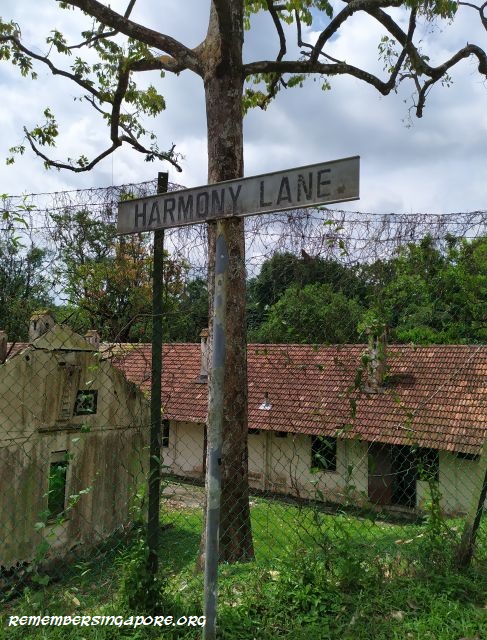
The staff quarters had been abandoned since the relocation of the Singapore Turf Club. The loop around the buildings, which is linked to Fairways Drive, is called Harmony Lane. It still has its old street signage standing at the entrance, but the road is no longer listed in official maps.

Published: 21 March 2023
Posted in Exotic | Tagged , , , , , , , , , , , , | 5 Comments

The Past of Pasir Laba… Countryside Road, WW2 Fort and Army Camp

Even today, Pasir Laba is an unfamiliar name to many Singaporeans because it lies within a restricted area at the westernmost side of Singapore.

In a 1911 map of Singapore, this area was known as Bajau instead. The name Pasir Laba was then mentioned in the 1915 annual report of the Forest Administration of the Straits Settlements, describing the forested hills adjoining Pasir Laba and the mangrove along the north bank of Sungei Tengah to Tuas. Sometimes known as Pasir Lebar, which means wide sands (on the other hand, Paya Lebar means wide swamp), it referred to the area about 8 miles (12.8km) from Tuas Village which was situated at the end of Jurong Road.

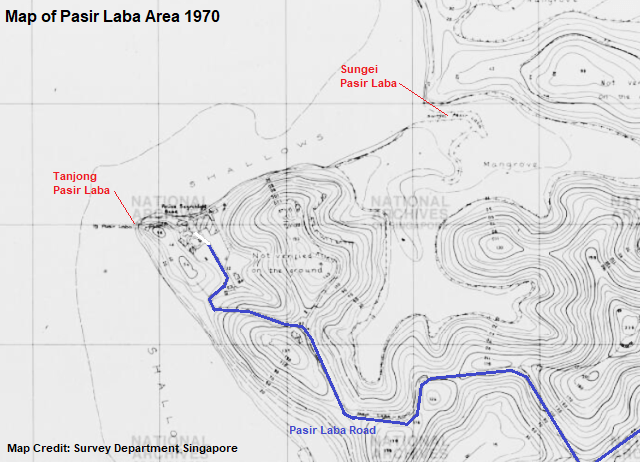
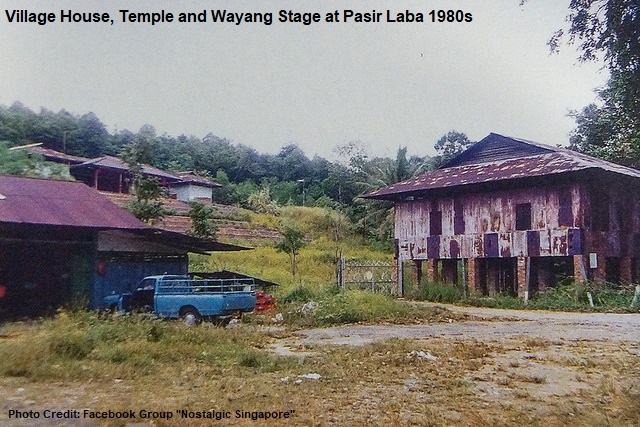
There was also a short river named Sungei Pasir Laba, but had since been absorbed as part of Poyan Reservoir of the Western Water Catchment today. A small tip between Poyan Reservoir and Tengah was called Tanjong Pasir Laba. The public used to be able to drive along the long and winding Pasir Laba Road, off the 16½ milestone of Jurong Road, to the scenic beach of Tanjong Pasir Laba. Due to their secluded nature, both Sungei Pasir Laba and Tanjong Pasir Laba were also the locations for many smuggling cases in the past.

Coastal Defence

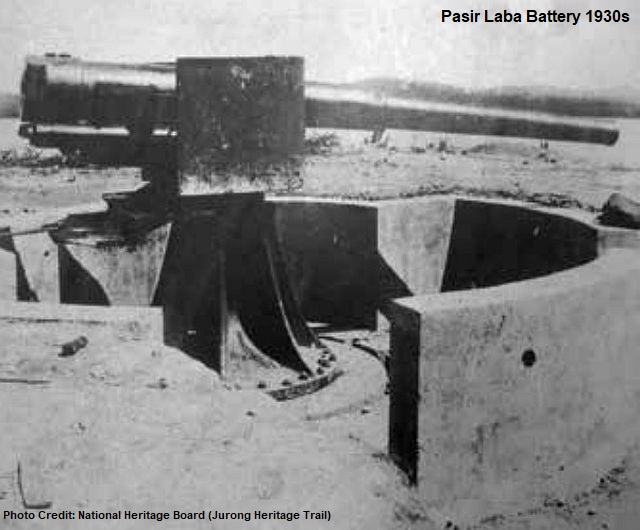
Pasir Laba Battery was a pair of artillery batteries, with a 6-inch gun each, built by the British in the 1930s to defend the western coast of Singapore and Johor. The other prominent ones were at Changi, Labrador and Blakang Mati (Sentosa today). Pasir Laba Battery was built into the small hill at Tanjong Pasir Laba. At its highest point, it was about 60m tall from the sea level, and had a clear view of the western Johor Straits.

During the live-firing practise days, a large white flag would be flown 24 hours prior to the shooting. One hour before the practise, a red flag would be hoisted, warning the shipping vessels to keep clear of the waters near the batteries.

During the Second World War, the north side of Pasir Laba was one of the areas first attacked by the Japanese troops during their invasion of Singapore. The enemy used artillery and dive-bombing planes to bombard the Pasir Laba area. Pasir Laba Battery retaliated, but only fired 40 rounds due to the Malayan Command’s order to conserve ammunition in preparation for a full siege by the Japanese.

The Australian Battalions and Malay Regiment were deployed to defend the northwestern sector of Singapore. Pasir Laba Battery was hit several times by the morning of 9 February 1942, and lost its defensive capability. The 5th and 18th divisions of the Japanese army landed at Pasir Laba and Lim Chu Kang, leading to decision of the Allied troops to destroy the guns and ammunition stores to prevent them falling into the enemy’s hands.

Searchlight Stations

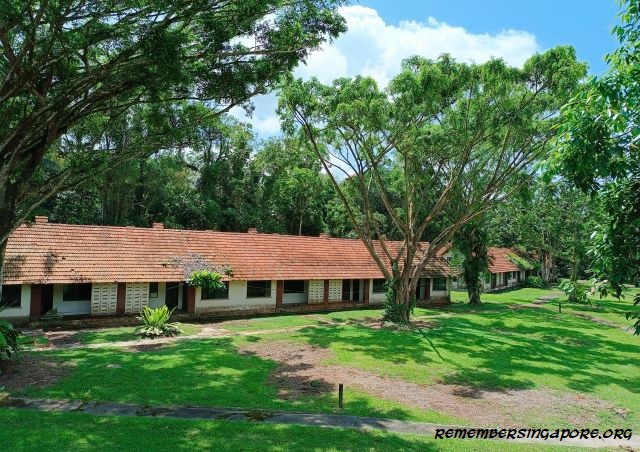
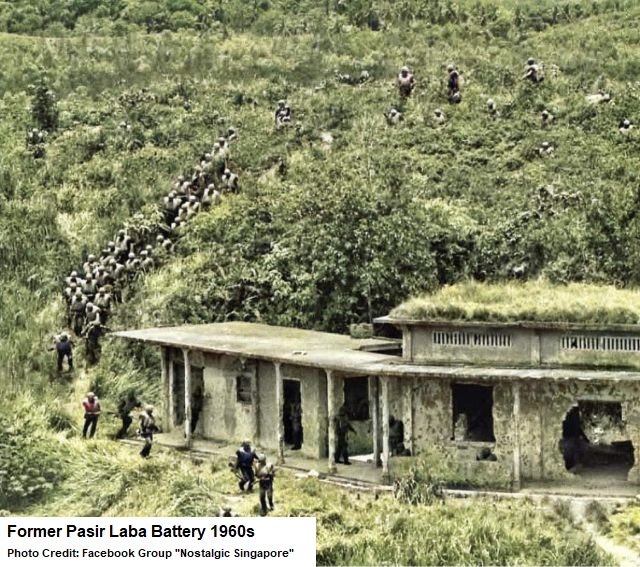
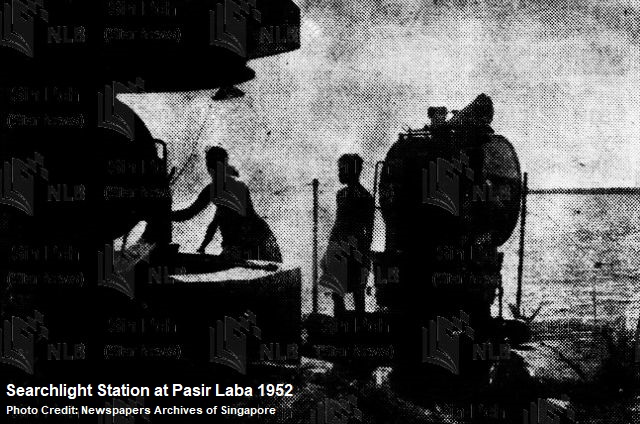
After the war, the Pasir Laba Battery and its fortifications, gunpits and bunkers were abandoned and left in ruins. But in the early fifties, the remnants were converted into a searchlight station.

Eight similar searchlight stations were installed along the coasts and islands of Singapore to tackle the rampant issue of smugglers and suppliers for the communists. The stations at Pasir Laba and Tanjong Karang were fitted with two searchlights, while others at Pulau Ubin, Seletar and Kampong Bahru had one searchlight each.

Military personnel, and later police constables, were stationed at the searchlights with transmitter-receiver sets connecting to the police headquarters at Pearl’s Hill. During the curfew hours, after 6:30pm everyday, if any vessels were spotted, the duty personnel would immediately notify the police headquarters who would then dispatch the nearest patrol boats to carry out the checks. The Pasir Laba station came under the newly-created Rural West Police Division.

The fortifications and bunkers of the former Pasir Laba Battery were eventually demolished in the nineties.

Communist Hideout

In 1954, 29-year-old Wong Fook Kwong was re-arrested at a well-camouflaged tent hidden at Pasir Laba. The police, under Operation Eagle, also rounded up 21 men and three women and busted six communist hideouts.

Nicknamed tit fung (“iron spearhead” in Hokkien), Wong Fook Kwong was a notorious leader of the Malayan Communist Party’s strong arm squad in Singapore. 16 months earlier, in March 1953, he had escaped from a Singapore General Hospital lock-up ward under the nose of three guards in a rainy night. The police had since put up a $2,000 reward for his recapture.

Pasir Laba in the late fifties came under the Jurong-Bukit Panjang district. During the elections, residents living at the Pasir Laba villages would go to Joo Koon Chinese School, at Jurong Road 18 milestone, to vote.

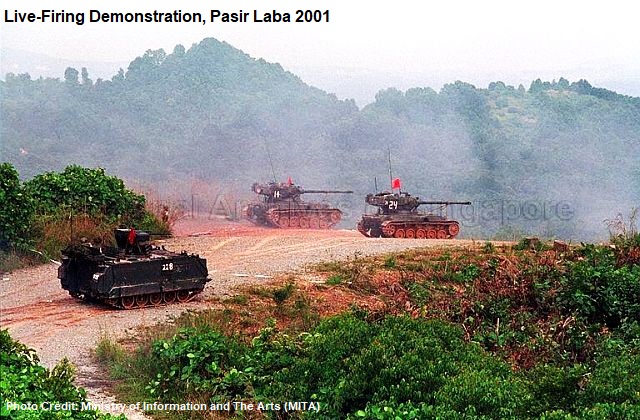
Live-Firing Area

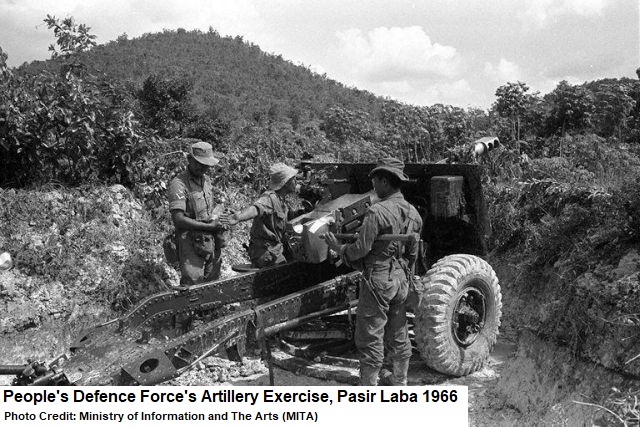
In the early sixties, Pasir Laba was used as the training site for the Singapore’s military forces. During the merger with Malaysia, there were agreements between Singapore and the Federation government on the handing over and taking over of several British military sites, including Fort Canning, Sembawang Naval Base, Tanglin Camp, Pasir Laba and Blakang Mati.

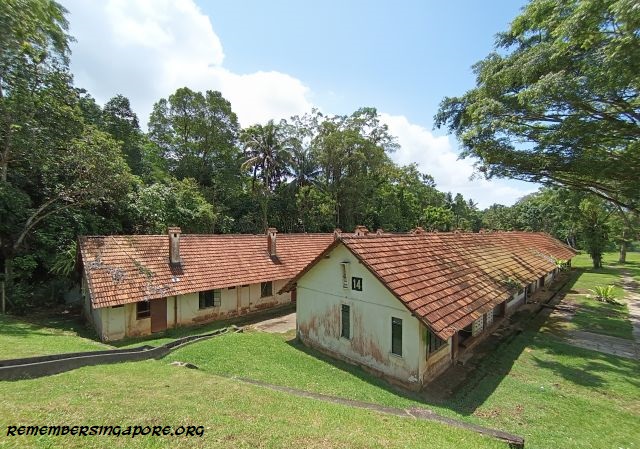
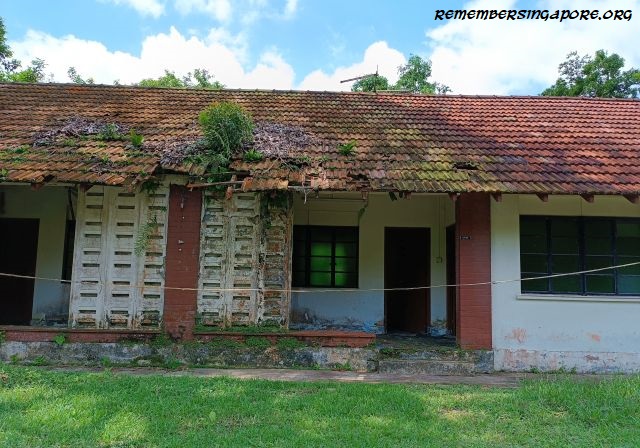
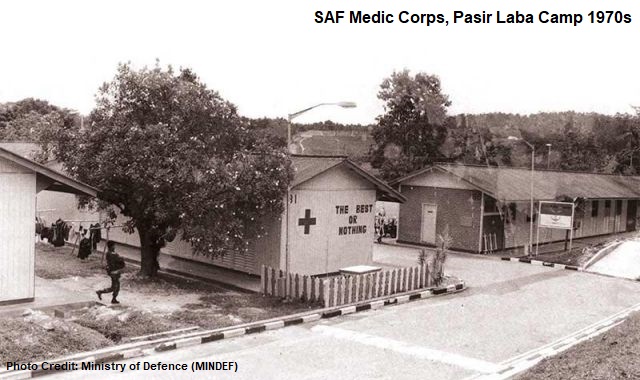
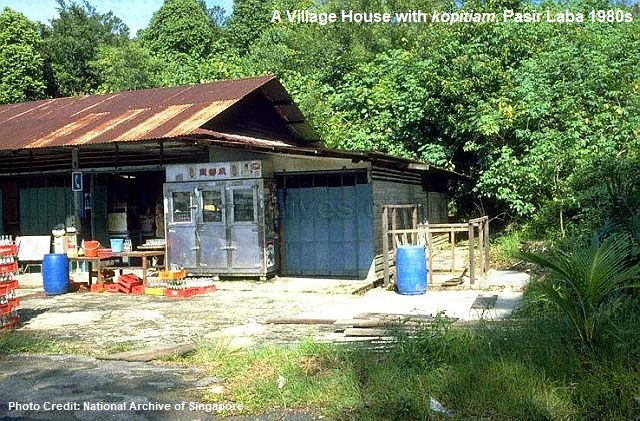
After independence, Pasir Laba was officially taken over by the Singapore government, and designated as a protected live-firing area for the Singapore Armed Forces (SAF). Pasir Laba Camp was built in 1966. In its early days, the camp had mostly single-storey wooden barracks with zinc roofs.

To ensure the safety of the residents of the nearby villages, policemen were dispatched to notify and warn the villagers not to venture into the restricted area.

But a tragedy still occurred in July 1968 when several Kampong Bereh villagers were killed and injured after wandering into Pasir Laba to pick fruits. After landing on Sungei Telok beach by a sampan, the group went into the forest where there were abundant wild durian and rambutan trees. A live-firing practise was taking place during that time, and the explosives killed four villagers and injured nine.

SAFTI

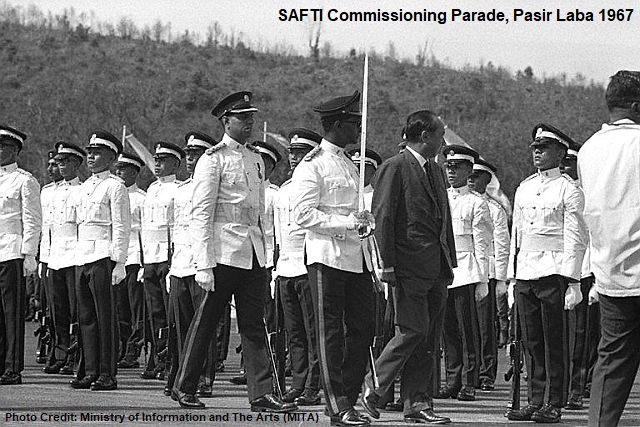
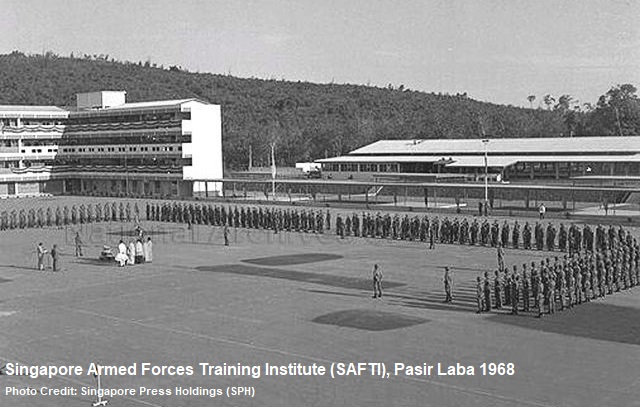
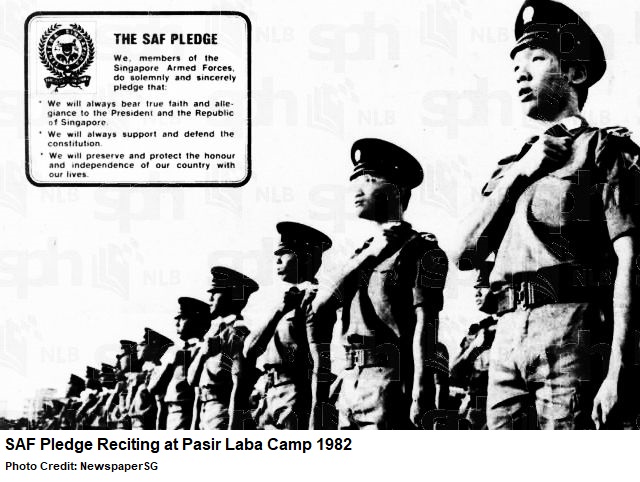
The Singapore Armed Force Training Institute (SAFTI) started from a humble beginning. It was first temporarily housed at the old Jurong Primary School, before moving to Pasir Laba Camp in May 1966 and officially opened by the Defence Minister Dr Goh Keng Swee (1918-2010).

A year later, in July 1967, SAFTI produced the first batch of officers, who would go on to command and lead two new battalions – the third and fourth – of the Singapore Infantry Regiment. In June 1968, SAFTI received its Colours, bearing the insignia of the sword and torch.

To the early batches of the cadets, the rigorous trainings at Pasir Laba Camp were extremely tough. Food was probably another bad memories. So much so that the cadets gave creative nicknames to the food, such as SAFTI chicken (infamously known as inedible fowl meat), SAFTI fish (affectionally labelled Moby Dick), SAFTI rice vermicelli (barbed wire) and the milk tea (longkang zhwee, or drain water in Hokkien).

SAFTI and Pasir Laba Camp also hosted a number of visits and tours for foreign officials and defence personnel from Britain, Australia, New Zealand and Thailand between the late sixties and early seventies.

Mishaps

In 1970, an army officer, Second Lieutenant Tay Seow Kai, was unfortunately killed when a recruit fumbled during a hand grenade drill at the SAFTI firing range. Two soldiers were also injured during the mishap. Tay Seow Kai was buried at Choa Chu Kang Christian Cemetery with military honours.

There were also other accidents occurred at Pasir Laba Camp that resulted in the deaths of national servicemen (NSFs). One of the most fatal ones happened in January 1971 when a petrol-transporting three-tonner truck sped down a slope along Pasir Laba Road and overturned, killing three NSFs and injuring another 15 soldiers, including an army captain.

Following the accident, the Ministry of Defence (Mindef) set up a Committee of Inquiry team and implemented several changes and rules, including more stringent requirements for new drivers and only experienced drivers would be allowed at certain higher risk areas within Pasir Laba Camp. In addition, a road engineer was seconded from the Public Works Department (PWD) to carry out a comprehensive survey of all the roads in the camp. Some narrow and steep parts of Pasir Laba Road were adjusted and aligned to provide a safer environment for the drivers.

There was another tragic misadventure in November 1978, when a family of three was killed by an explosion in a junkyard at Lim Chu Kang Road. A 32-year-old man had either bought or picked up a stray blind shell of a Carl Gustaf, a 84-mm anti-tank explosive, at the Pasir Laba live-firing area. While chiseling the shell, it exploded and killed the man, his wife and son.

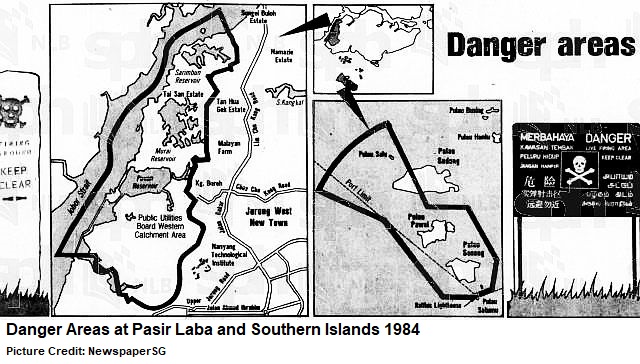
In the eighties, many people still ventured into the Pasir Laba training area to pluck fruits and fish, even though multiple warning signages had been planted along the boundary. In 1984, Mindef made another effort by arranging a helicopter tour for the press and Members of Parliament (MPs) whose constituencies were located near the live-firing ranges, so that they could educate their residents of the dangers of venturing into these areas, which included Pasir Laba and the Southern Islands (Pulau Senang, Pulau Pawai, Pulau Sudong, Pulau Salu and Pulau Biola).

Despite repeated warnings, in October 1984, three separate fishing groups were spotted within the Pasir Laba training area, resulting in the delay of a live mortar firing exercise. As many as 12 men were arrested. Another group of 12, including three girls, was caught for trespassing at Pasir Laba in 1985.

On 28 December 1987, a 19-year-old officer cadet was fatally shot by a fellow cadet during a night live-firing exercise at Pasir Laba. In the tactical move, Wong Chieu Wai ran down a hill to ignite an explosive, but he could not make it back in time, when his fellow cadet started shooting at the “enemy” on the hill after the explosion.

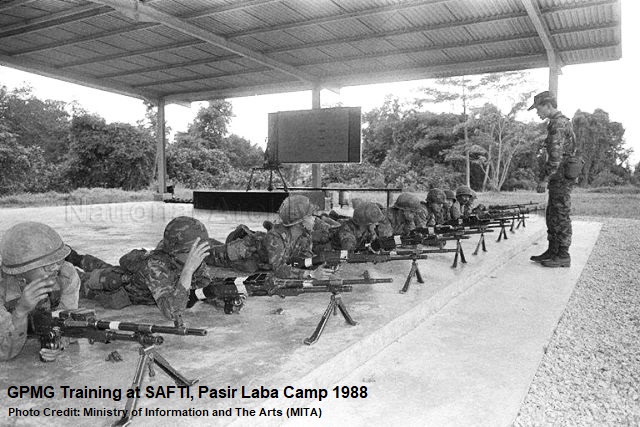
In 1996, another officer cadet Tan Sek Hong died after he was accidentally shot by a General Purpose Machine Gun (GPMG) at the preparation ground of the live-firing area. His fellow cadet had loaded live rounds into the GPMG without permission and meddled with it, setting off the fatal shot.

On 4 April 1997, at the Pasir Laba live-firing range, an unexploded light anti-tank round was picked up – a breach of standard procedure – from the training area. Near the firing bay, the round exploded, killing one NSF and injuring another five seriously. The fatal mishap prompted Mindef to suspend training exercises for three days and review all of its safety procedures.

Bilateral Ties

In 1985, a Malaysian army regular, the first ever, completed the intensive nine-month officer cadet course at Pasir Laba Camp. The move to admit a Malaysian soldier in the course indicated the growing relationship between SAF and the Malaysian Armed Forces (MAF).

On 28 April 1987, the relationship between Singapore and Malaysia, however, became tensional, when a group of four NSFs unintentionally ventured into Johor’s Sungei Melayu. They were part of a sentry chain set up at Pasir Laba training area to keep civilians out. On the day of the incident, the NSFs were ordered to patrol the Singapore’s coastline in two boats towards Tuas. One of the boats went in the wrong direction towards Johor, while the second boat chased after it.

Malaysia alleged the SAF had intruded their territorial waters and jammed their military radio, and made an official protest to the Singapore government. Singapore eventually apologised in July 1987 after concluding its investigation. The four NSFs were trialed and punished with 30 to 40 days at the detention barracks.

Both countries improved their bilateral ties when SAF and MAF conducted a joint live-firing exercise codenamed Semangat Bersatu (“Unity in Spirit” in English) at Pasir Laba in 1989. It was the first joint exercise involving Singapore and Malaysia’s troops in almost 20 years, since Bersatu Padu was conducted in Malaysia in 1970.

An explosion occurred off a Johor fishing village on 28 July 1991. In the same day, there was a mortar live-firing by the 22nd Singapore Artillery Battalion at Pasir Laba. After investigation, SAF assured Malaysia that all of its mortar bombs exploded within the live-firing area and none had strayed out of the targeted range.

Landmarks

Like other army camps, Pasir Laba Camp often participated in gorong royong for the benefits of the nearby villages and residents in the seventies and eighties. For instance, in 1971, 100 NSFs of Pasir Laba Camp helped to repair the deteriorated Track 46, near the 16 milestone of Jurong Road. Another 200 were involved in the desilting of Sungei Pang Sua (removal of sediments from the river).

By the nineties, most of the small villages and squatter settlements around Pasir Laba had disappeared.

With the construction of the Tengeh, Poyan, Murai and Sarimbun reservoirs, Pasir Laba training area was reduced from 28km2 to 21km2 in the mid-eighties. This area remained designated for live-firing exercises, while the rest of its vicinity, about 60km2 was gazetted as a manoeuvring area.

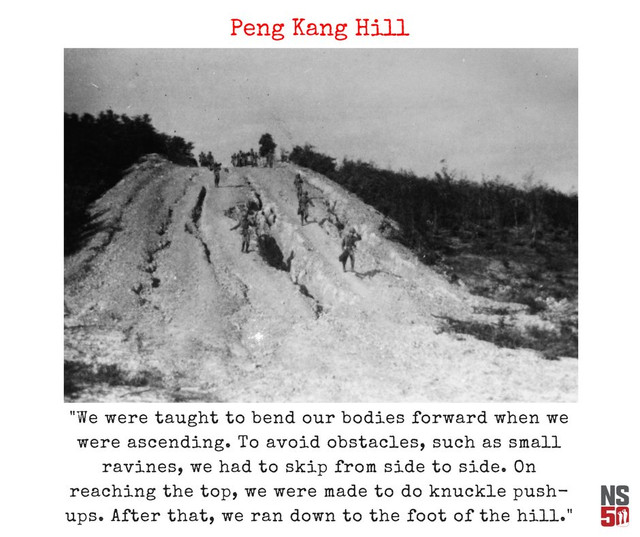
One iconic landmark of Pasir Laba training area is a small rocky hill named Peng Kang Hill, a nightmare for many batches of NSFs who would remember it as an infantry training ground for soldiers to charge up the hill (cheong sua in Hokkien). Other lesser-known hills are the FOFO Hill (FOFO stands for Fighting On Fortified Objectives, a military term used in urban warfare), Good Morning Hill and Elephant Hill.

Peng Kang was originally referred to the large area of land between Jurong and Tuas, but the name had gradually faded into history. Besides Peng Kang Hill, there are only a few places today still carrying the name and preserving its legacy, including Peng Kang Avenue (inside SAFTI Military Institute) and the up-and-coming Peng Kang Hill MRT Station.

Pasir Laba Camp

Pasir Laba Camp formerly housed the Officer Cadet School (OCS), School of Infantry Specialists (SISPEC) and other military schools and units. In 1980, with the new HQ Infantry established, the camp’s name was changed to Pasir Laba Complex.

It was renamed again, this time to SAFTI, in 1986. But a year later, the government announced that SAFTI would be shifted to an adjacent 50-hectare (0.5km2) plot of land along Upper Jurong Road. The construction lasted about three years from 1988 to 1991.

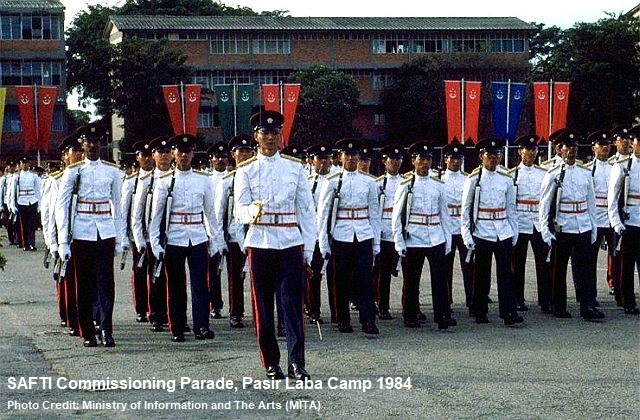
In July 1995, SAFTI hosted its last commissioning parade at Pasir Laba Camp. It was then officially relocated to the new premises named SAFTI Military Institute (SAFTI MI). After the split, Pasir Laba Camp reverted to its original name. Since then, Pasir Laba Camp and SAFTI became separated only by the Pan-Island Expressway (PIE). The two camps continue to be connected via the iconic cable-stayed SAFTI Bridge, completed in 1995, that spans across the PIE.

In the late nineties, many aging amenities and facilities of Pasir Laba Camp were given an extensive upgrade. Some of the old four-storey buildings that were used as trainees’ bunks were demolished.

Pasir Laba Camp, throughout its history, has been the home for numerous past and present army units and training schools, including the School of Infantry Weapons, HQ Infantry, Basic Combat Training Centre, Infantry Training Institute, School of Military Medicine, Army Training and Doctrine Command (TRADOC), SAF Military Intelligence Institute, Army Fitness Centre and others. It also houses an ammunition depot and indoor firing range.

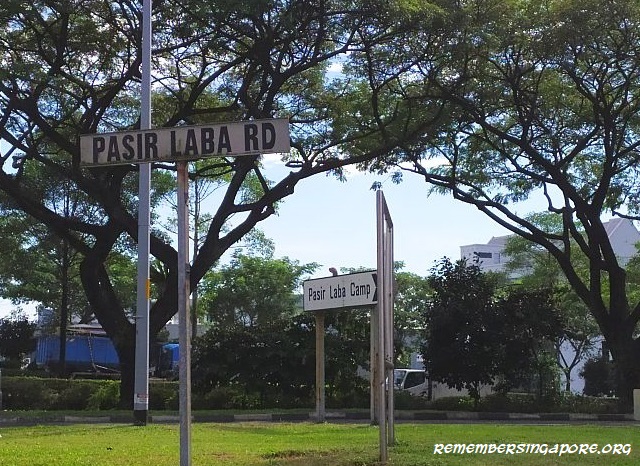
Today, the old Pasir Laba Road signage still stands at the entrance of Pasir Laba Camp.

Published: 26 February 2023
Posted in Historic | Tagged , , , , , , , , , , , , , , , , , , , , , , , , , | 9 Comments

Memories of the Jurong Bird Park

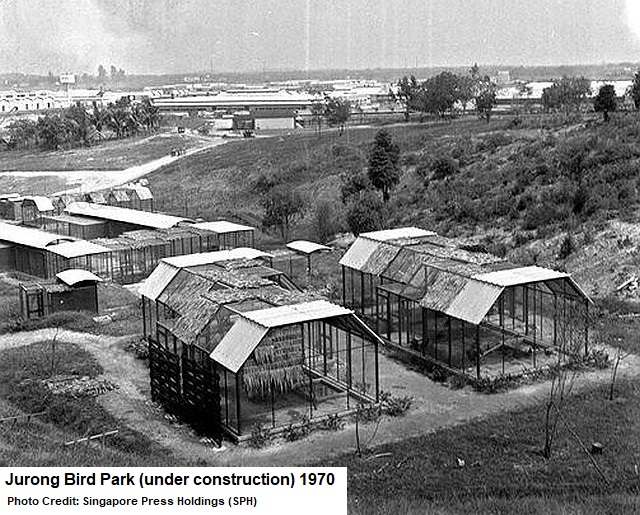
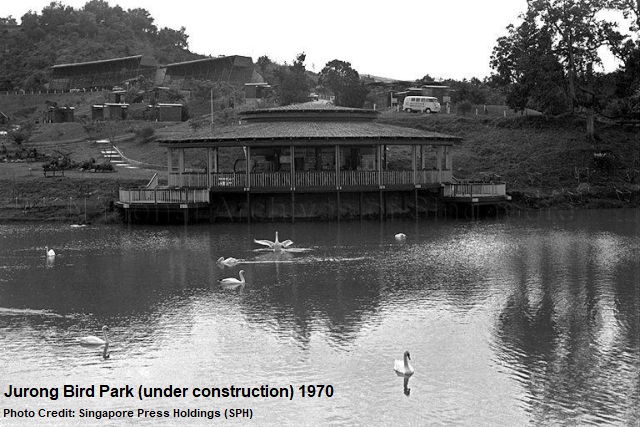
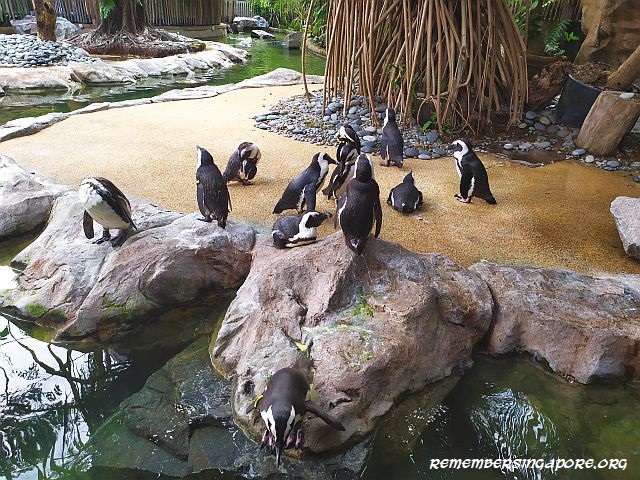
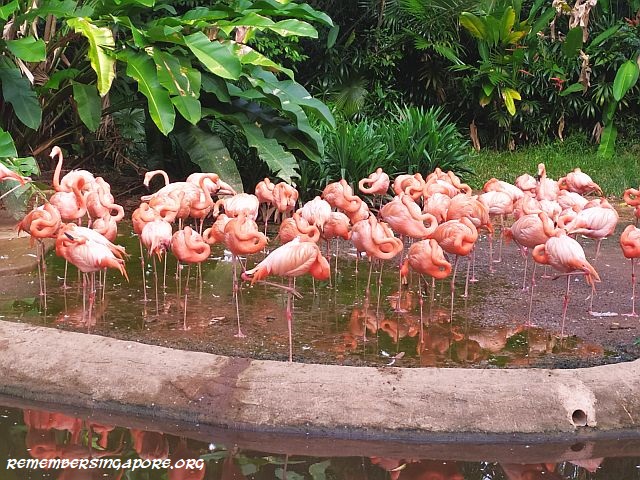
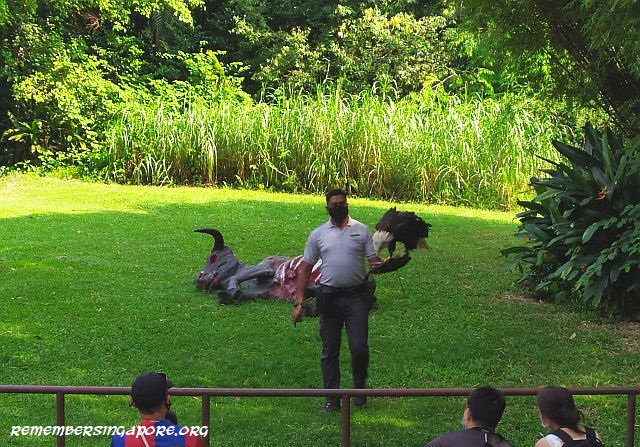
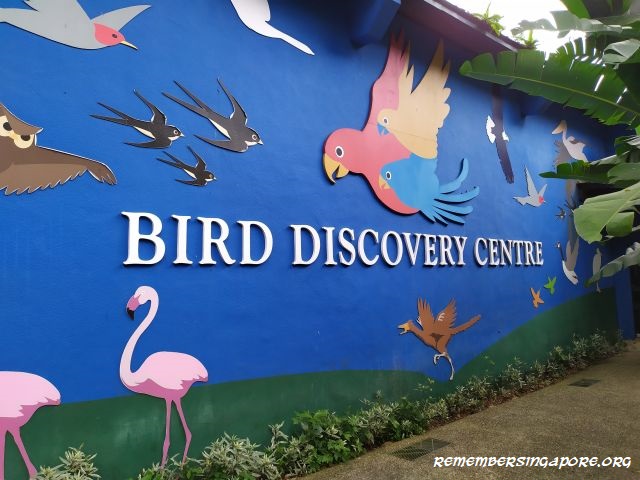
The good old Jurong Bird Park had officially closed and walked into history on 3 January 2023. It was opened exactly 52 years ago, on 3 January 1971, after two years of construction that cost a total of $5 million.

A bird park in Singapore was the brainchild of Dr Goh Keng Swee (1918-2010), as he brought up the idea in 1968 during his tenure as the Finance Minister after visiting aviaries at Rio de Janeiro and Bangkok. He envisioned such a place of attraction would be beneficial to both Singaporeans and overseas visitors as Singapore was rapidly developing its industries and tourism in the seventies.

In 1968, a 20.2-hectare (0.2 km2) of site at Jurong Hill (or Bukit Peropok) was surveyed and selected for the new bird park, where it was designed by British aviculturist and ornithologist John James Yealland (1904-1983) and aviary architect John Toovey from the London Zoological Gardens. The construction project was undertaken by the Jurong Town Corporation (JTC).

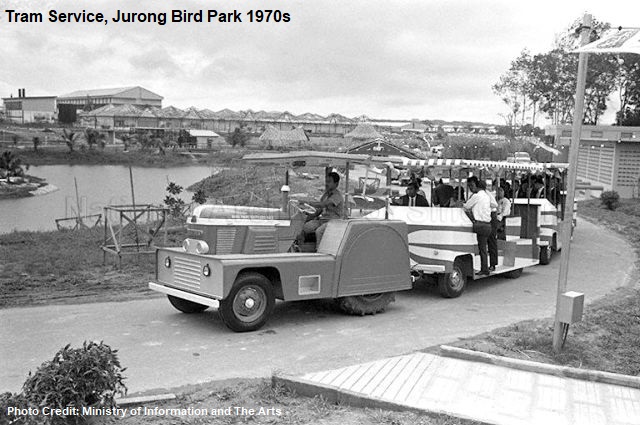
Jurong Bird Park would consist of large aviaries that resembled the natural habitats for the various types of birds. Nurseries, breeding rooms and quarantine stations would also be part of the bird park. A tram service would ferry visitors between the aviaries and amenities.

In 1969, before its completion, Jurong Bird Park already had 500 birds of mixed varieties consigned from local donors, London Zoo and National Zoological Park of Washington. Other governments also generously gifted native birds to the Jurong Bird Park. For example, in 1970, the New Zealand government’s wildlife division delivered four pairs of New Zealand birds – brightly-coloured pukekos, paradise ducks, yellow-crowned parakeets and black swans – to the park.

Taiwan’s trade representation office also sent 410 colourful and beautiful Taiwanese birds to Singapore, including budgerigars, Gouldian finches, Formosan blue magpies and Mikado pheasants. In early 1970, the Thai government contributed white breasted waterhens, purple gallinules, little egrets, night herons, Nicobar pigeons, zebra doves, grey-headed parakeets, spotted neck doves and emerald doves.

In September 1969, a rare cassowary, two stocks and a pair of peacocks were stolen from the still-developing bird park. They were later recovered by the police at a Choa Chu Kang farm after tipped off by a bird shop assistant who was offered $800 to buy the birds. The thieves were later caught and sentenced to three years’ imprisonment.

The opening of Jurong Bird Park was initially set in the early 1970, but was postponed to 29 June 1970. Some of its areas, such as footpaths, tea kiosks and rain sheds, were still not ready and required more time for improvements. Finally, after almost a year of delay, the bird park was officially opened on 3 January 1971 by Dr Goh Keng Swee. It was one of Asia’s largest bird parks, with almost 7,000 birds of 350 species. Other than birds, Jurong Bird Park also kept crocodiles and a pair of imported deer.

The entrance fees for Jurong Bird Park was $1.50 for adults and 75c for children. It would cost another 40c (20c for children) and $1 (50c for children) for the tram services and visit at the Falls Aviary respectively.

Jurong Bird Park’s debut day saw the attendance of some 1000 visitors, including 300 children. The park’s workers were almost overwhelmed when more than 12,000 people decided to spend their rest day at Jurong Bird Park in the first Sunday after its opening. Just 19 months later, in August 1972, Jurong Bird Park welcomed its first millionth visitor. On average, the popular bird park entertained 800,000 visitors annually.

Despite good reviews of Jurong Bird Park in its early days, it did also receive some criticisms. Its opening hour at 10am was deemed late for families during the weekends (the bird park’s management explained that there were routine feeding and maintenance periods every morning). Some visitors complained about mosquitoes breeding from the still waters at several spots. Others were uncomfortable that the pair of deer looked “miserable” in their tiny enclosure.

On the other hand, poor visitor behaviours were also reported, with some visitors chasing after the birds with sticks and others throwing stones into the crocodile pool. Jurong Bird Park warned that those caught mistreating the birds or damaging the park’s properties would be prosecuted.

In 1971, a scheme of “Friends of the Birds” was launched to allow individuals and companies to “adopt” the birds in order to support and contribute to the maintenance fund of Jurong Bird Park. It was a common practise in other countries’ zoos and bird parks.

On 23 February 1971, the President of Singapore Benjamin Sheares (1907-1981) visited the bird park as part of his familiarisation tour of the developing Jurong Industrial Estate. In May 1971, Nepal’s King Mahendra and Queen Ratna Devi became the first foreign royal dignitaries to visit Jurong Bird Park. Queen Elizabeth II and Duke of Edinburgh Prince Philip toured the bird park in February 1972 during their three-day state visit to Singapore.
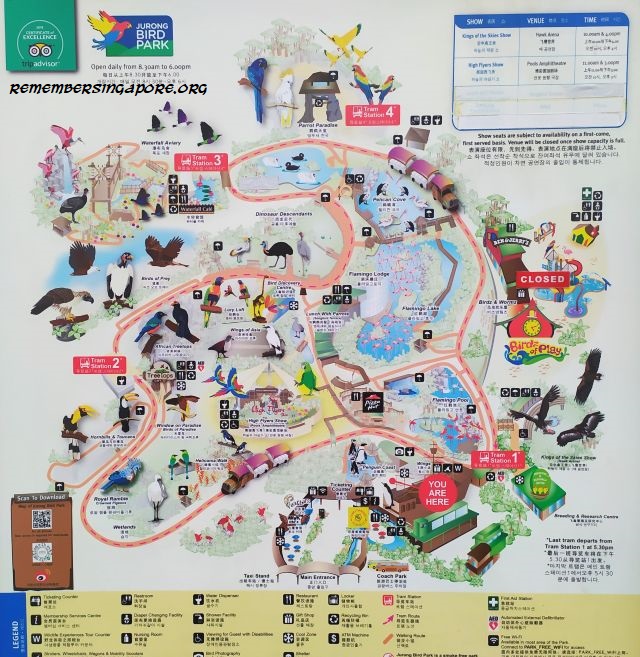
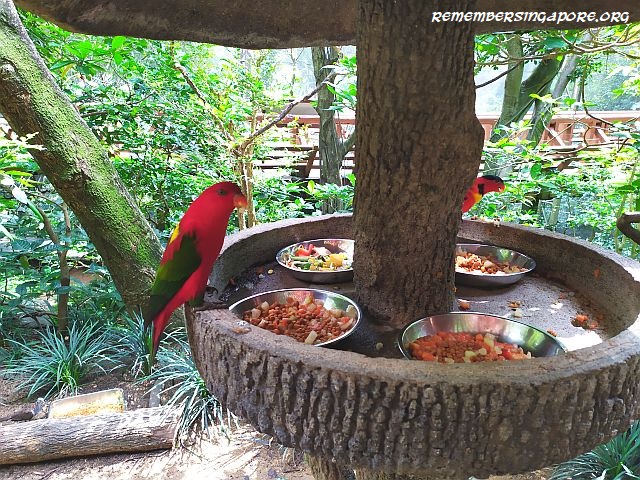
One of the most iconic features of Jurong Bird Park was its 30m-tall man-made waterfall that plunged over a natural cliff of Jurong Hill. It was part of the Jurong Falls Aviary (later renamed Waterfall Aviary) where it housed more than 600 free roaming birds (increased to 1,800 birds by the 2010s). Waterfall Aviary was the world’s largest walk-in aviary, and the waterfall, the tallest man-made waterfall, remained a popular photo-taking spot among the visitors throughout the park’s history.

Another memorable feature was the bird park’s trackless tram cars that ferried visitors around the park for its various types of aviaries. The early trams were manufactured in a Jurong factory.

The Jurong Bird Park used to be one of the go-to venues for primary school excursion trips in the eighties and nineties. Other popular options were the Singapore Zoo, Sentosa, Van Kleef Aquarium and Haw Par Villa. The community centres and old folks’ homes also organised regular trips to the Jurong Bird Park.

In the mid-eighties, Jurong Bird Park underwent a major renovation and upgrading works that spanned over seven years and cost $7 million. Covered walkways, automated ticket machines and an air-conditioned theatre were built. New bird exhibits and arenas were also added to showcase different and rare species of birds from other parts of the world. In 1988, the Breeding and Research Centre was established.

Entering the nineties, a new 2,000-seat amphitheatre was installed at Jurong Bird Park. More aviaries and exhibits were opened. The Waterfall Aviary was given a massive $6-million upgrading works between 1990 and 1994.

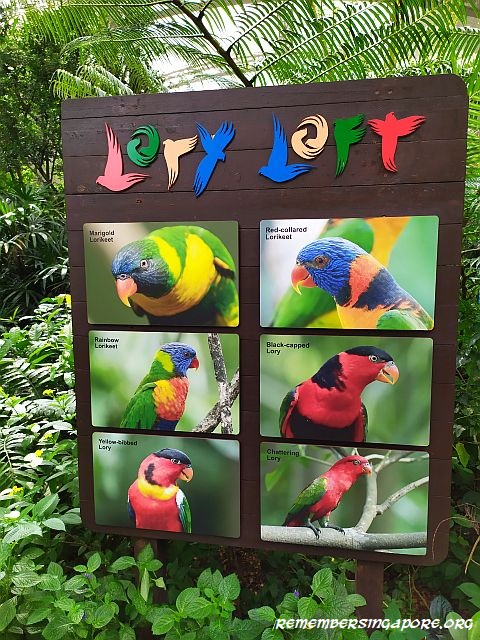
In 1992, a 1.7km monorail system named Panorail, the second such system after Sentosa Monorail, was built at Jurong Bird Park. The fully-airconditioned Panorail ran a loop within the park, serving three stations – The Main, Lory and Waterfall Stations. Its operations ceased in 2012, and the mode of ferrying at the bird park was reverted to trams.

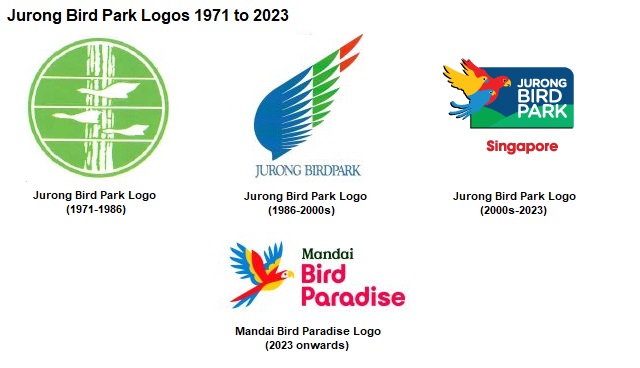
Jurong Bird Park received its last major upgrade in 2006 with a $10-million revamp that included the setup of Asia’s first bird avian hospital. The government announced in 2014 that the bird park would be relocated to Mandai in 2023 as part of the Mandai Wildlife Reserve together with the Singapore Zoo, Night Safari and River Wonders (formerly River Safari). The new bird park will be called Bird Paradise.
Big John, a sulphur-crested cockatoo, is one of Jurong Bird Park’s oldest residents. Estimated to be of a ripe old age of late 50s, it has been with the bird park since its opening in 1971. Big John will also be relocated to Bird Paradise to enjoy its retirement days there.

The day finally came as Jurong Bird Park was shuttered for the final time on 3 January 2023, leaving behind fond memories for countless local and foreign visitors. For many Singaporeans, Jurong Bird Park was part of their growing up journeys and memories, made up of excursion trips with friends, dates with loved ones and family outings with the kids.

Published: 17 January 2023

Posted in Nostalgic | Tagged , , , , , , , , , , , | 3 Comments

Singapore Trivia – Time Adjustment for Singapore in 1982

Singapore’s 1982 New Year was a little special, as it arrived earlier at 11:30pm on 31 December 1981.

To meet the correct time, Singapore’s government bodies, organisations, companies and people had to adjust their clocks and watches by 30 minutes earlier. The move was to synchronise with the time adjustment in Malaysia, which had their time advanced by half an hour on 1 January 1982. With the synchronisation, both countries’ time were fixed at UTC+08:00 (UTC refers to the Coordinated Universal Time).

Singapore had gone through many time adjustments in history. Until 31 Dec 1900, the British Malayan Mean Time was the standard time in Peninsula Malaya and Singapore. The time was set at GMT+06:46:46, which means the time at both Kuala Lumpur and Singapore then was 6 hours, 46 minutes and 46 seconds ahead of the Greenwich Mean Time (GMT).

GMT was the international standard of civil time between 1884 and 1972. Although GMT and UTC share the same current time, GMT is a time zone, whereas UTC, officially adopted since 1963, is a time standard that serves as the basis for civil time and time zones in the world.

The Singapore Mean Time was adopted between 1 January 1901 and 31 May 1905. It was adjusted to GMT+06:55:25 for the convenience of the railway, telegraph and postal services and schedules, which were becoming increasingly important by the turn of the 20th century. The Singapore Mean Time was referenced as Singapore was the Straits Settlements’ administrative centre back then.

The previous British Malaya Mean Time and Singapore Mean Time were awkward and confusing due to the minutes and seconds. On 1 June 1905, the Straits Settlements and Federated Malay States switched to the 105th meridian time zone (meridian 105° east of Greenwich), where the time in Malaya and Singapore became a standardised GMT+07:00.

In 1920, the Legislative Council proposed a bill to incorporate daylight saving time like the United Kingdoms, in order to allow staff and workers more leisure time after work. The bill, recommending a forward adjustment of 30 minutes, did not manage to pass, but it was brought up for debate again in 1932. This time, a 20-minute forward adjustment was accepted and the bill, termed as the daylight saving time Ordnance, was passed. The time in British Malaya was adjusted to GMT+07:20 with effect from 1 January 1933.

The daylight saving time was eventually extended from 20 minutes to 30 minutes and the ordnance was amended on 1 September 1941 to adjust the time to GMT+07:30. This change, however, lasted only a couple of months as Japan invaded and annexed Malaya and Singapore between late 1941 and early 1942. During the Japanese Occupation, Singapore had to follow the Tokyo Standard Time, which was GMT+09:00. It was one and a half hour forward as compared to the previous time.

After the war, the time was reverted to GMT+07:30 as the Malaya Standard Time (or Malaysia Standard Time after 1963). This continued for almost four decades, before Malaysia decided to adjust the time in 1981. This was because Malaysia and Singapore had been stuck “in between” the standard time zones, resulting in both places not reflected in the time zone settings of the increasingly important digital technologies such as computers and watches.

In December 1981, the delegation led by Malaysia Prime Minister Dr Mahathir Mohamad visited and met Singapore Prime Minister Lee Kuan Yew to discuss on various bilateral matters, one of which was the coordinated time adjustment. The Malaysian parliament had passed the Malaysian Standard Time Bill 1981 in December to give Peninsula Malaysia and East Malaysia one standard time.

Singapore agreed to synchronise the time with Malaysia as it would improve the close ties between the two nations and benefitted the convenience for the businessmen, workers and travellers on both sides. There was no major impact observed for the local sectors in aviation, shipping, finance, commodity, stock trading and others.

Published: 31 December 2022

Updated: 5 January 2023

Posted in General | Tagged , , , , , , , , , , | 2 Comments

The Mosque of Paradise and Street of Worship at Old Choa Chu Kang Road

Al-Firdaus Mosque is located at Jalan Ibadat, a short road off present-day Old Choa Chu Kang Road which, in the past, was between Choa Chu Kang Road 13th and 14th milestone.

Jalan Ibadat is “street of worship” in Malay. The road was constructed in the late sixties for the mosque, which, funded by generous public donations, was officially opened in 1968 by Haji Ya’acob bin Mohamed (1925-1989), the then-Minister of State and an advocator of Malay interests, language and education in Singapore. Many Muslim residents from the nearby kampongs were invited to witness the opening ceremony.

In 1983, the mosque’s management held its inauguration ceremony together with a sports event at Tech Whye to raise funds for its $30,000 renovation project. Sidek Saniff, the Parliamentary Secretary to Trade and Industry and Social Affairs was invited as the guest of honour. Other fund raising means were also carried out by the mosque, such as a donation drive by students on Hari Raya Puasa in the previous year.

The mosque has largely retained its humble appearance throughout the decades. Its surroundings, on the other hand, underwent gradual changes. The mosque’s neighbour Tengah Air Base was transferred from the Royal Air Force (RAF) to the Republic of Singapore Air Force (RSAF) in the early seventies. The eighties and nineties saw the demise of Choa Chu Kang Road’s many villages, such as Bulim Village, Lam San Village, Keat Hong Village, Kampong Tengah and Kampong Cutforth.

Rural roads branching off Choa Chu Kang Road were also expunged by the mid-nineties. Jalan Dulang, Jalan Sendok, Jalan Parut, Jalan Bungar, Jalan Ara, Jalan Buey and Jalan Mandar were some of the roads that had walked into history, leaving only a few behind today, such as Jalan Piring, Jalan Tapisan and Jalan Lekar.

One side of Choa Chu Kang Road was allocated for local horticultural and aquacultural production and trades, where aquarium farms, plant nurseries and animal sanctuaries were set up in the areas between Jalan Lekar and Sungei Tengah Road. The opposite was reserved for installations by the Ministry of Defence (Mindef) and Ministry of Home Affairs (MHA), where the Army Logistics Base (opened in 2002), Keat Hong Camp (2005) and Home Team Academy (2006) were built.

Choa Chu Kang Road itself was split into two in the mid-nineties due to the extension of  the Kranji Expressway (KJE). The early phase of KJE ended at Choa Chu Kang Road (present-day Exit 5 near Jalan Lam Sam). The expressway was then extended southwestward to link up with the Pan-Island Expressway (PIE), dividing Choa Chu Kang Road into two sections. The road’s western section was renamed Old Choa Chu Kang Road in the 2000s, whereas its eastern section retained the original name of Choa Chu Kang Road.

As for Masjid Al-Firdaus, it launched another charity drive in the nineties for a $100,000 upgrading project. Volunteers sold fried chicken rice and charity cakes to raise the funds. In 1997, the Majlis Ugama Islam Singapura (MUIS) issued invitations to interested parties to take part of an open tender for the mosque’s upgrading works. After the renovations were completed in 1999, Masjid Al-Firdaus was able to accommodate as many as 200 people for prayers, classes and other religious purposes.

In 2000, Masjid Al-Firdaus was among the 33 organisations and companies in Singapore to participate in the Skills Upgrading Program, by actively playing the role as an Islamic institution in promoting culture and pursuing knowledge in life.

Other than the mosque, one can still find traces of nostalgia along Old Choa Chu Kang Road today, such as the old street signages and an original vintage bus stop dated back to the seventies. The former Lam Soon Community Centre building was recently demolished in 2021 to make way for the new Animal Quarantine Centre.

Published: 27 December 2022

Posted in Religious | Tagged , , , , , , , , , , , , , , , , , , , , , , , , , | 2 Comments