When the Port of Singapore Authority (PSA) successfully applied for the New York-based World Trade Centre Association in 1971, there were plans to build Singapore’s own World Trade Centre.
The Singapore Maritime Centre Project
Surveys were carried out by the Urban Renewal Department in the seventies. The initial plan was to build a 12-storey World Trade Centre (WTC) at Jardine Steps, a eight-acre piece of land that faced the sea. The new building would be part of a more ambitious Singapore Maritime Centre project.
The plan for the larger and more complex Singapore Maritime Centre, however, did not materialise. The WTC project went ahead and the new $83-million building was completed in August 1978. Shortly after its opening, a convention hall, three exhibition halls and a new ferry terminal were added as part of the WTC.
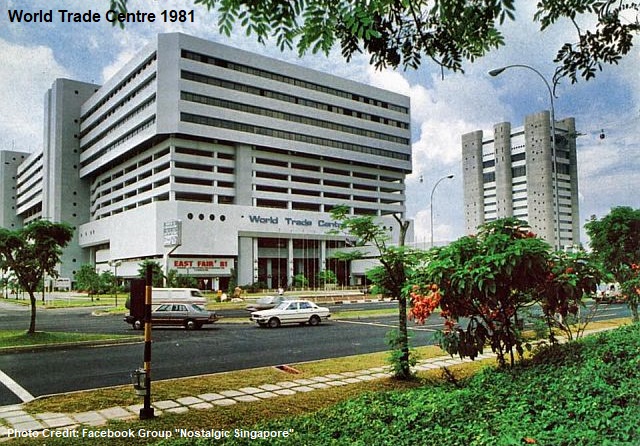
Singapore’s World Trade Centre
Still a developing country in the late seventies, Singapore envisioned its new WTC as the window to the world. Accommodating hundreds of shipping firms, trading companies, banks, insurance agencies and government-linked organisations, the WTC would fit Singapore into the existing international network of world trade centres in 34 countries.
The WTC, after its opening, also quickly became a popular venue for both domestic and international exhibitions and fairs, attracting the interest from at least 36 various organisations in the late seventies.
In just two years between 1978 and 1979, the WTC hosted numerous exhibitions and fairs. Some of the examples were:
- Singapore Fair ’78 (to promote Singapore-made products)
- International Motor Show (automobiles)
- Japan Floating Fair ’78 (Japanese products, technology and culture)
- Transpo Asia ’78 (transportation, maintenance and related products)
- Homemaker ’79 (furniture)
- Enviro ’79 (air-conditioners)
- Wood ’79 (woodworking and forestry machinery)
- Sibus ’79 (office equipment and fixtures)
- Computer ’79 (computers)
- Intersafe ’79 (security and fire-fighting equipment)
- Marintec Asia ’79 (shipping and maritime technologies)
- Jeweltime ’79 (jewellery and watches)
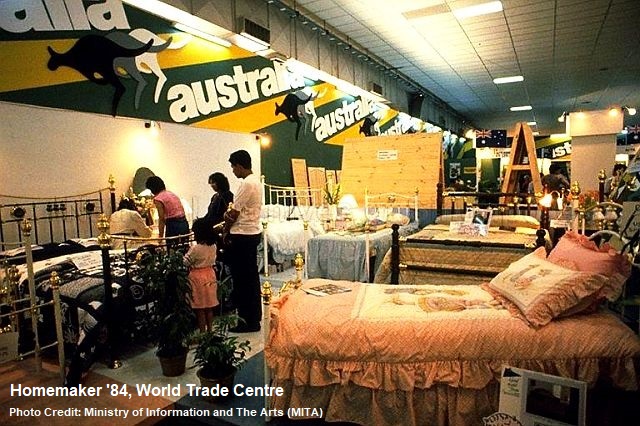
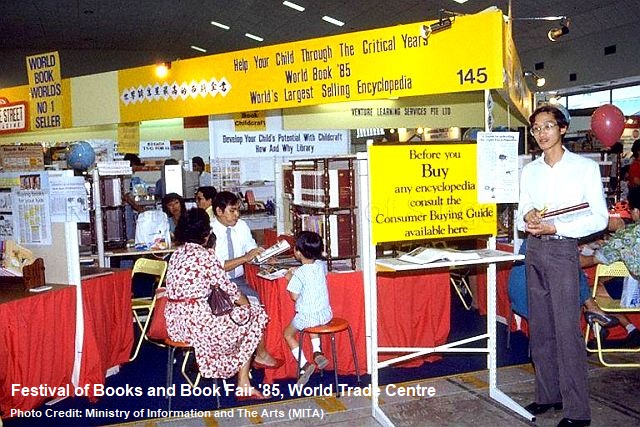
The exhibitions and fairs attracted hundreds of thousands of local and foreign visitors. By end-1979, the WTC had hosted 21 exhibitions and fairs, attracting a total of almost 2 million visitors.
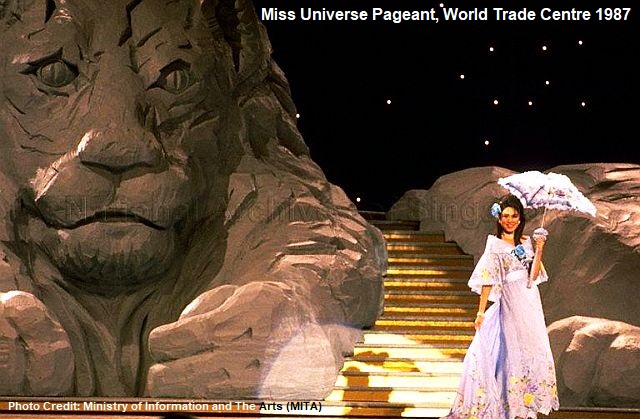
Singapore’s WTC caught the world’s attention when it hosted the 36th Miss Universe pageant on 27 May 1987. Its Hall 4, which could accommodate an audience of 3,200, was the venue of the international contest that was telecast live to 56 countries and more than 600 million viewers. Miss Chile Cecilia Bolocco clinched the victory and was crowned Miss Universe.
Addition of Singapore Cruise Centre
A new $40-million international passenger terminal began its construction at the WTC in 1989, with the aim to tap Singapore’s potential to become a gateway for luxury cruises to Southeast Asian destinations.
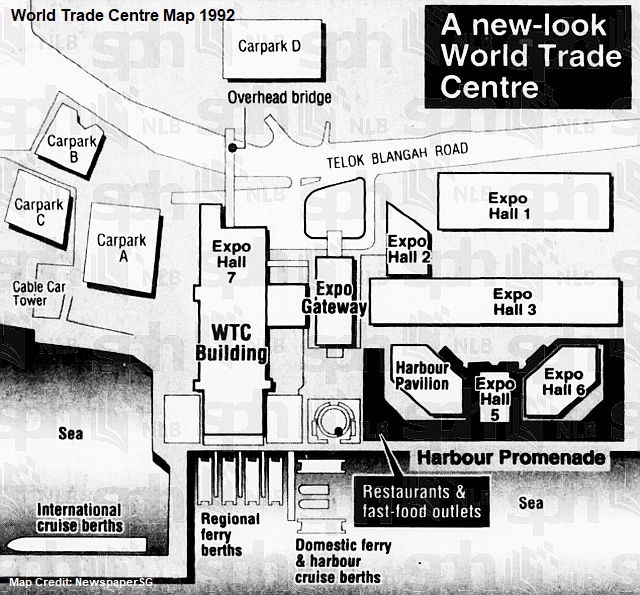
In 1992, the new facility was opened as the Singapore Cruise Centre; its new computerised Regional Ferry Terminal, with a capacity of 1,000 passengers, allowed seamless travels to Batam, the Riau islands and popular Malaysian resorts at Pulau Tioman and Desaru.
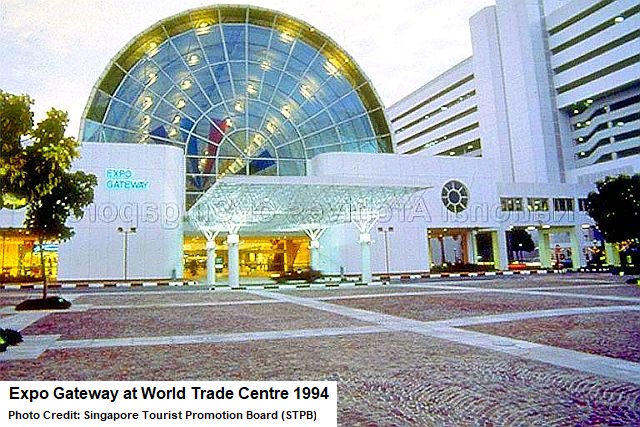
The old godowns next to the WTC were also removed for the development of a new Expo Gateway and Harbour Promenade. The new facilities, for a mix of business and entertainment activities, were opened in 1992. The Expo Gateway was designed in a nautical theme with a dome-shaped roof and trusses that resembled ships’ masts and flags.
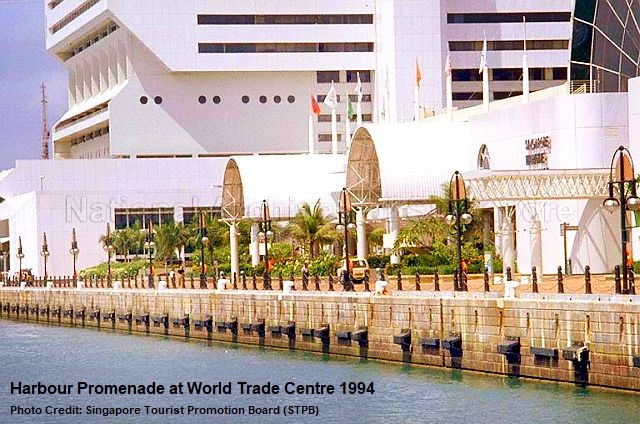
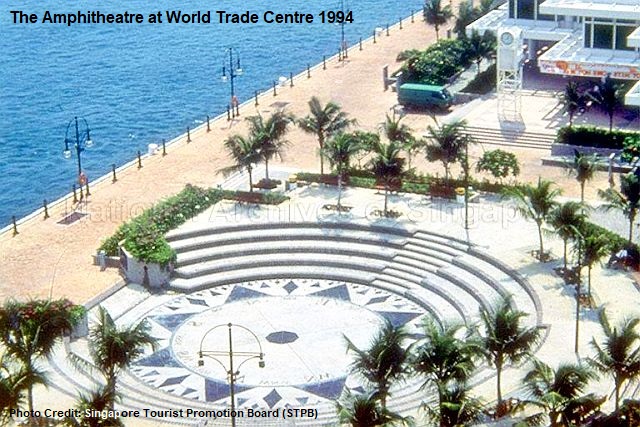
The 320m-long Harbour Promenade, on the other hand, had popular fast food chains and eateries such as McDonald’s, Kentucky Fried Chicken, Milano Restaurant, Baskin Robbins, Yami Yogurt and a seafood restaurant. An open-air amphitheatre that could accommodate 500 people was also constructed for free shows and concerts.
Revitalised as HarbourFront Centre
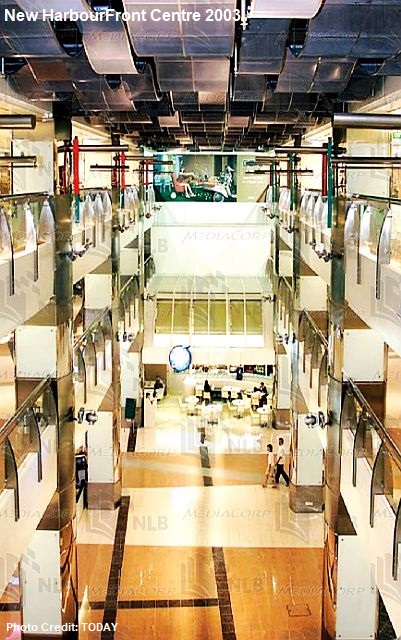
In 1996, the North East Line (NEL) plan was announced by the government, with the WTC designated as the terminus of the new Mass Rapid Transit (MRT) line. This new plan allowed PSA to embark on its multi-million-dollar project to redevelop the aging WTC.
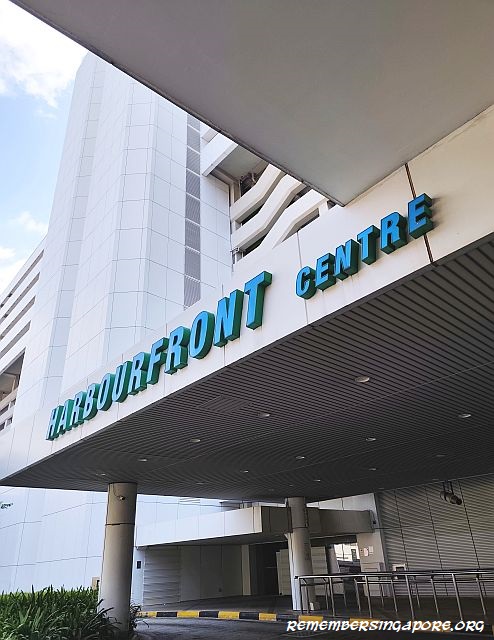
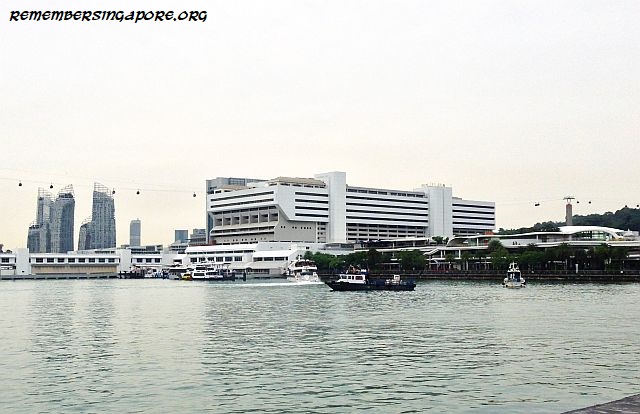
In 2003, after a five-year revamp that cost $30 million, the WTC was reopened with a new name called the HarbourFront Centre. The new 19,000sqm mega mall had a soft opening on 17 February with almost 80 tenants including Starbucks, Cold Storage and U2. HarbourFront MRT Station was opened in June 2003, providing the much needed accessibility to the revitalised mall.
In the early 2000s, the WTC’s adjacent exhibition halls made way for the construction of a new shopping mall. VivoCity, Singapore’s largest mall, was completed and opened in 2006, becoming a new landmark beside HarbourFront Centre.
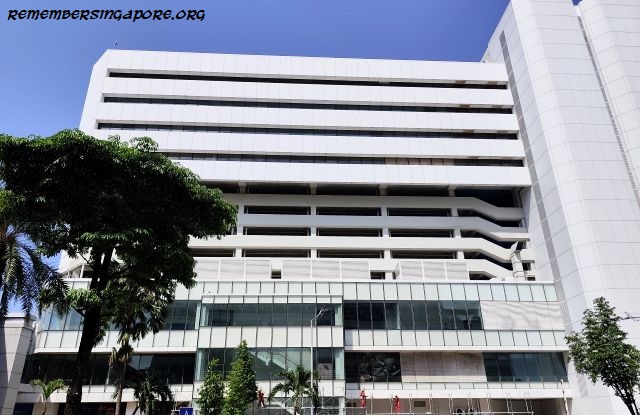
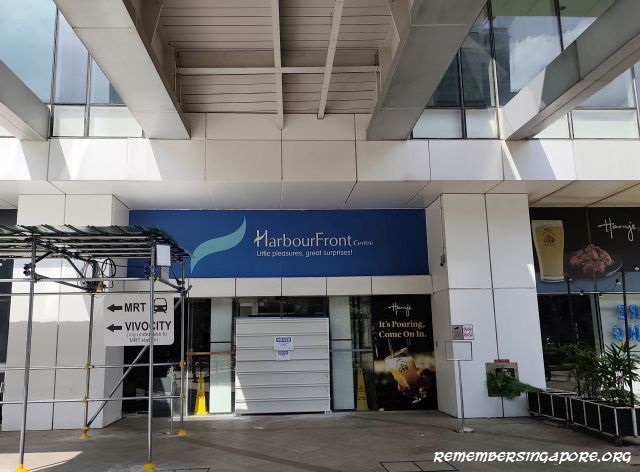
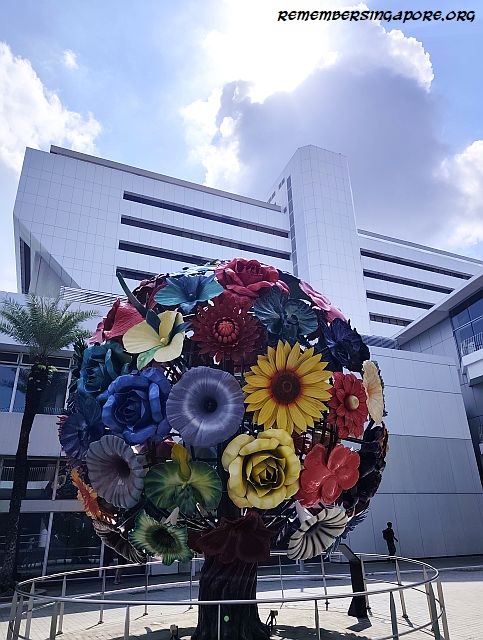
HarbourFront Centre was permanently closed on 27 July 2026, after almost five decades of history. Its buildings will be subsequently demolished for the development of a new 33-storey mixed-use commercial tower. This new waterfront landmark is expected to stand at the site of the former World Trade Centre and HarbourFront Centre by 2031.
Published: 6 September 2026
Discover more from Remember Singapore
Subscribe to get the latest posts sent to your email.







Its sad that so many places are now shutting down. First the bird park, and now harbourfront. But soon snow city will shut down. Are you going to make an article about snow city then?