One of the early records of Muslim cemeteries was carried by the Municipal Engineer in 1875, when he was tasked to conduct site surveys on those burial grounds situated within and on the outskirts of the Singapore’s city area.
As many as 20 cemeteries were recorded; among those were six Malay burial grounds, located at Victoria Street, Tanjong Pagar, Orchard Road and River Valley. The others were Chinese, Bugis, Parsi, Hindu, Roman Catholic and Portuguese cemeteries.
Cemeteries
The Siglap and Bedok areas have a number of old and former Muslim graveyards. The maps of the fifties show that there were plots of Muslim cemeteries, often named as Mohammedan cemeteries, in the vicinity. One of them is the Kubur Kassim Cemetery, established in the 1920s on a piece of land along Siglap Road endowed by Ahna Mohamed Kassim bin Ally Mohamed, a cargo boat and steam launch owner.
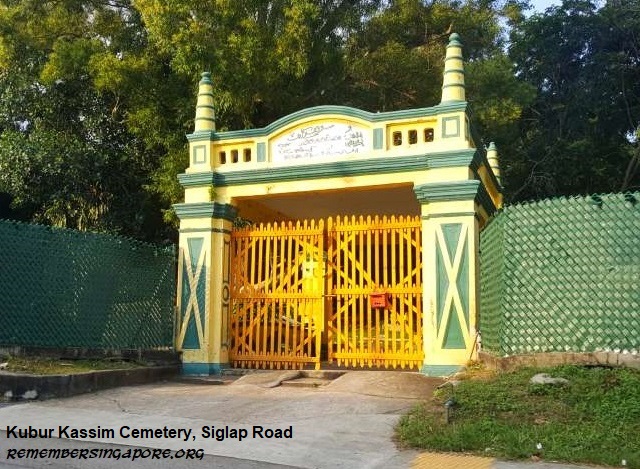
Kubur Kassim Cemetery’s striking yellow and green gates possess the Indo-Saracenic style of a mixture of Mughal and classical European features, a popular architectural design in Malaya in the early 20th century. The cemetery, which also houses a surau (prayer house in Malay), used to serve as the final resting place for the Muslims living in Siglap.
Buried at Kubur Kassim Cemetery were some of the well-known community leaders, including former Singapore Municipal Commissioner Dr Hafeezudin Sirajuddin Moonshi, who became the first in Singapore to open a Muslim clinic in 1916. Another was Che Lembek binte Abdin, the former headmistress of Kampong Glam Girls’ School during the Second World War.

For years, Kubur Kassim Cemetery has been a source of haunted tales. This may be due to the fact that some of its tombs are dedicated to Orang Bunian, a kind of supernatural human-like beings often portrayed in Malay folklore. However, the 90-year-old cemetery may be facing the likelihood of exhumation. In the Urban Redevelopment Authority’s (URA) 2014 master plan, the site where the cemetery resides has been earmarked for future residential development.
About 200m away from Siglap Road, at Jalan Sempadan, was the grave of a Sumatran prince called Tok Lasam (or Lassam), believed to be the founder and penghulu (chieftain in Malay) of Siglap. Marked by yellow tombs, signifying royalty, the grave also included Tok Lassam’s wife and his panglima (commander-in-chief).
It was said that Tok Lasam came to Singapore and established a fishing village by the sea in the early 19th century. In 1821, a solar eclipse occurred, frightening many of the village’s residents who thought their village had fell into the darkness. This led to the naming of the village as si-gelap, meaning “dark one” in Malay.
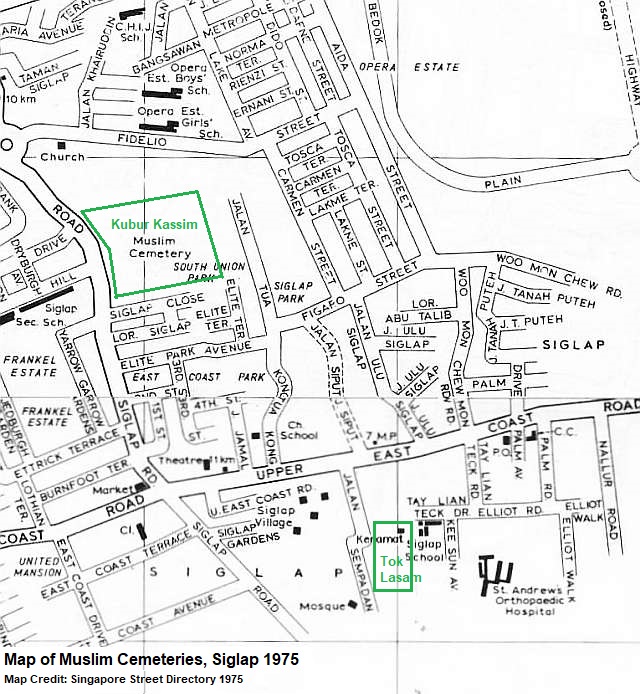
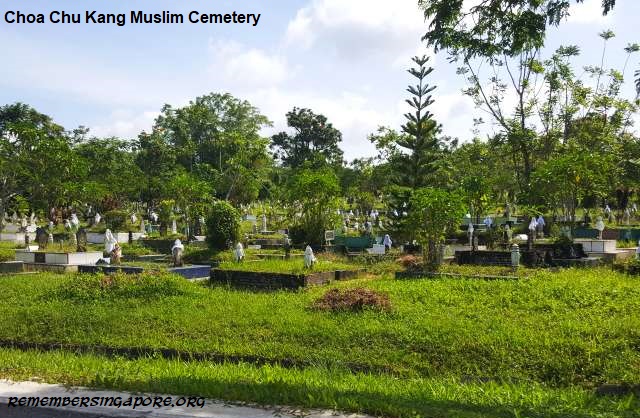
Tok Lasam’s grave used to be part of a larger Muslim cemetery. In the nineties, the redevelopment of the vicinity saw most of the cemetery’s graves exhumed and reinterred at Choa Chu Kang Muslim cemetery. It was only after the petitioning from the community leaders and public that the tomb of the legendary prince was retained at its original site.
A Muslim cemetery in the vicinity that did not make it to this day was the one located at the junction of Upper East Coast Road and Hwa San Road (defunct). A neighbour of the Chinese cemetery Hwa San Teng (or Wah Suah Teng), the cemetery had about 4,000 graves, serving as the burial ground for the Malay residents living at the kampongs around Jalan Bilal, Jalan Haji Salam, Jalan Greja and Jalan Langgar Bedok.
The Muslim cemetery’s last burial was done in the mid-seventies. Together with the Chinese cemetery, exhumations were carried out in the mid-nineties, after which the site was used to build a private condominium called Kew Green.
The cemetery at Lucky Gardens was a Boyanese burial ground. Boyanese, or Baweanese, were originally from Indonesia’s Bawean Island, arriving at Singapore in the early 19th century and working for the British as labourers, horse trainers and drivers. The unique cultural identity of Boyanese was their communal lodging house, known as pondoks, a type of social institution for Boyanese to interact, find jobs or settle newly arrivals.
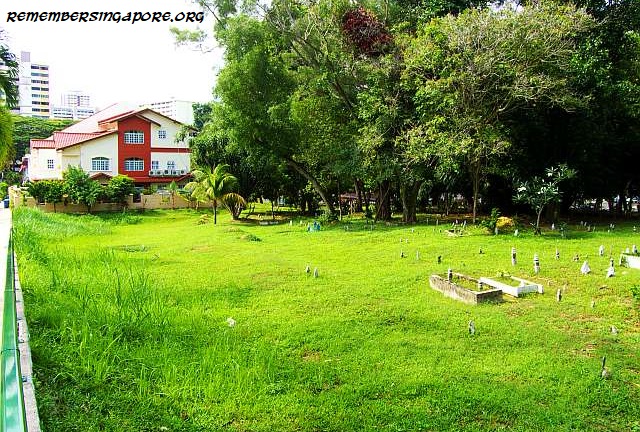

Kampong Boyan and Kampong Kapor, along the Rochor river, used to have many of these pondoks, where the early Boyanese came and worked at the construction site of the racecourse at Farrer Park. The last pondok in Singapore, cleared in 2000, was previously housed at a Club Street shophouse. Most Boyanese, after generations of assimilation and integration, had become part of the local Malay population.
A short distance away from Lucky Gardens’ Boyanese cemetery, near Lucky Heights and Sennett Road, used to exist the grave of Madam Hajijah, a wealthy landowner in the early 20th century who was well-remembered for her contributions to the construction of the Kampong Siglap mosque and welfare of the residents living in the vicinity. The road Jalan Hajijah and the former village Kampong Hajijah were named after her.
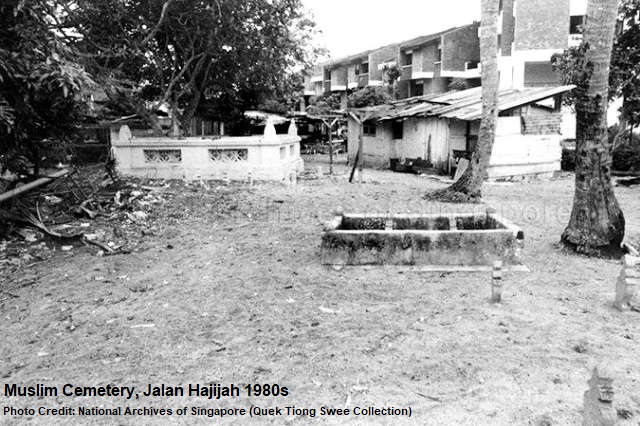
Madam Hajijah’s grave stood at Batu Lapan (8 milestone in Malay) until the eighties when her remains were exhumed and shifted to the Pusara Aman Muslim Cemetery at Choa Chu Kang.
Located at Victoria Street is Jalan Kubor Cemetery. Originated in the 19th century, it is one of the oldest surviving Muslim cemeteries in Singapore. The cemetery was initially separated into three different burial grounds located close to one another, one of which was the reserved royal burial ground for Johor Sultan Hussein Shah’s (1776-1835) family and household. Hence, it was also known as the Tombs of the Malayan Princes, although Sultan Hussein himself was not buried in it.

The graveyard was in an abandoned state by the late 19th century, although it did receive one of its last burials in Tengku Hussain bin Tengku Haji Ali, a royal descendant of Sultan Hussein, in 1954.
The second burial ground was called Malay Burial Ground, meant to be a final resting place for the Muslim commoners. However, it later became better known as Aljunied Burial Ground after prominent businessman and philanthropist Syed Omar bin Ali Aljunied (1792-1852) and his family members were buried there.
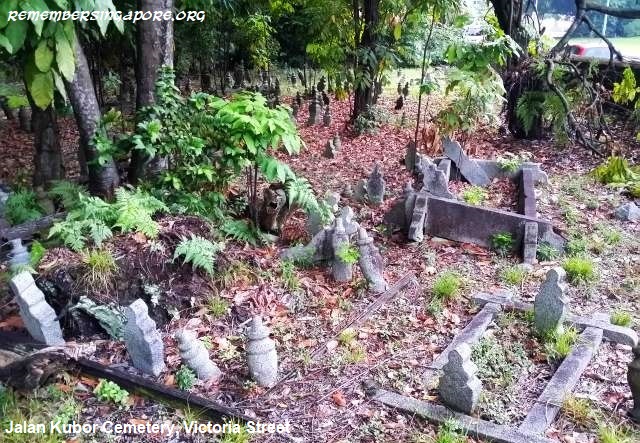
The third was the Kling Burial Ground, mentioned in the municipal engineer’s report in 1875. Mainly used as a cemetery for the Indian Muslims residing at Kampong Glam, it later became known as the Tittacheri Muslim Cemetery, and was managed by the appointed trustees of the Indian Muslim community in the early 20th century.
By 1860, the burial grounds, collectively known as Jalan Kubor Cemetery, was deemed full by the municipal government. The Sultan’s Burial Ground and Malay Burial Ground were closed in 1875 and 1901 respectively, although fresh burials were still carried out occasionally. The Tittacheri Muslim Cemetery remained opened until the Second World War, while its accompanying mosque, Malabar Muslim Jama-ath Mosque, exists until today.
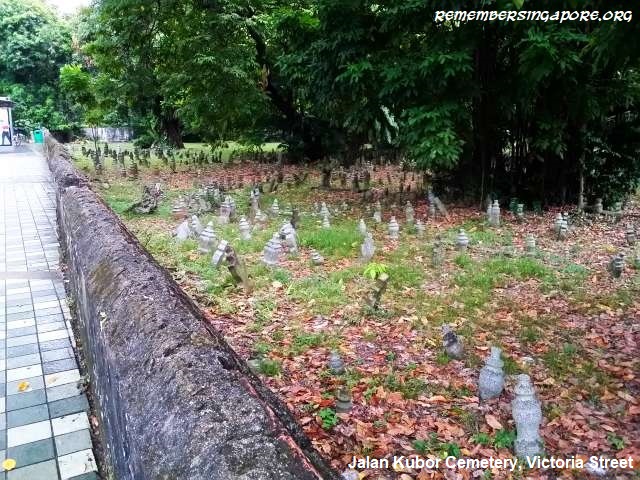
Rich in history, with many old tombstones found with inscriptions in Malay, Arabic, Gujarati, Bugis Aksara, Javanese Aksara, English and Chinese, Jalan Kubor Cemetery was also the burial place of many prominent figures. They included Syed Omar bin Ali Aljunied, Perak warrior and chief Ngah Ibrahim (1830s-1895) and Haji Ambo Sooloh (1891-1963), a wealthy Malay businessman and philanthropist of Bugis descent, and possibly the last person to be buried at cemetery.
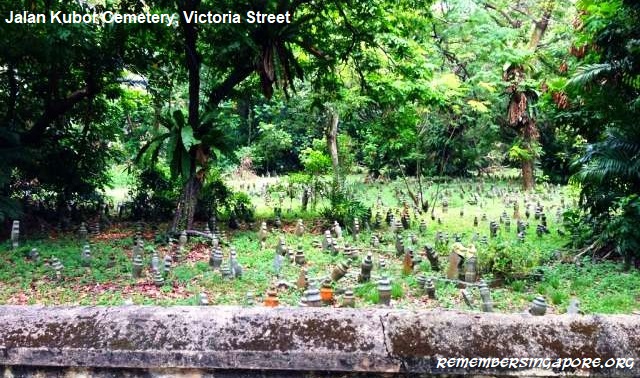
Like the Kubur Kassim Cemetery, the site of Jalan Kubor Cemetery is also earmarked as a future residential development in URA’s 1998 master plan. There have been suggestions from heritage enthusiasts and groups calling for the preservation of the old cemetery.
Another old plot of Muslim graves is the one located at Marang Road, at the foot of the southern side of Telok Blangah Hill. It is said that the graveyard, containing some 200 tombstones, originated from an old Malay village called Kampong Marang. Kampong Marang had existed in the vicinity for almost 200 years until it was destroyed by a big fire in the eighties.

Overran by thick vegetation today, the forgotten cemetery was apparently also the burial place for Ahmad Marang Omar, the founder of Kampong Marang.
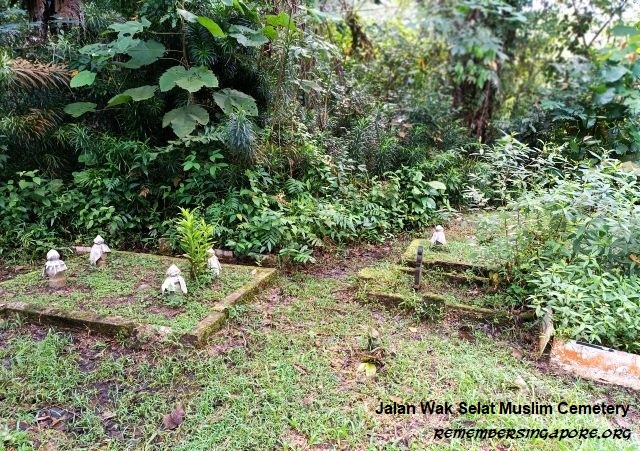
The Jalan Wak Selat Muslim Cemetery was the former burial ground for Kampong Wak Selat. Located beside Kranji Loop today, the cemetery has been forgotten and abandoned for decades. The former kampong was demolished in 1993, and its site was subsequently redeveloped into a small Kranji Industrial Estate made up of three blocks of offices, warehouses and factories. Some of the tombs at Jalan Wak Set Muslim Cemetery dated back to the 1940s.

Keramats
Beside typical cemeteries, there are also a number of keramats (sacred graves or shrines) for Muslim saints or holy men located in various parts of Singapore. Sometimes the keramats contain the makam (tomb) of the holy men, and are regularly visited by pilgrims from other countries. Keramats, other than housing the tombs, also serve as a refuge to the poor and needy, as well as a place of solace for those in distress and agony.
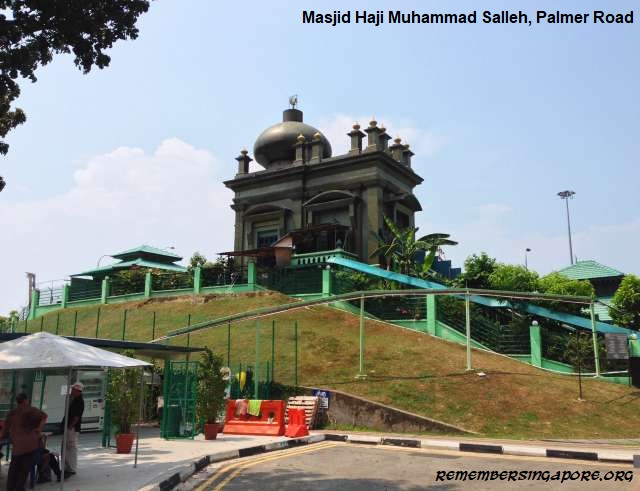
One of the most notable keramats in Singapore is Keramat Habib Noh, dedicated to Muslim saint Sayyid Noh bin Sayyid Mohamad bin Sayyid Ahmad Al-Habshi (1789-1866), also known as Habib Noh. It is situated on the Parsi Hill (previously known as Mount Palmer), where a grand mosque Masjid Haji Muhammad Salleh was built beside it in 1903.
Another famous keramat is located on Fort Canning Hill, belonging to Sri Sultan Iskandar Shah, a historical figure with different accounts regarding his legacy. One such account described him as the last of the five kings of Singapura in the 14th century. He fled during a Javanese attack, and settled and established a new kingdom at Melaka (or Malacca). Another suggested he was the successor of Parameswara, the actual founder of Melaka.
When the British arrived at Singapore in 1819, they observed that the local Malay residents refused to ascend Fort Canning Hill, due to the belief that it was once the palace and the final resting place of the ancient kings. Hence, the hill was formerly known as Bukit Larangan, or Forbidden Hill. The British cleared the forest on the hill and discovered many ancient structures and ruins. By 1822, the burial place of Iskandar Shah was regarded as a keramat and revered by the locals.
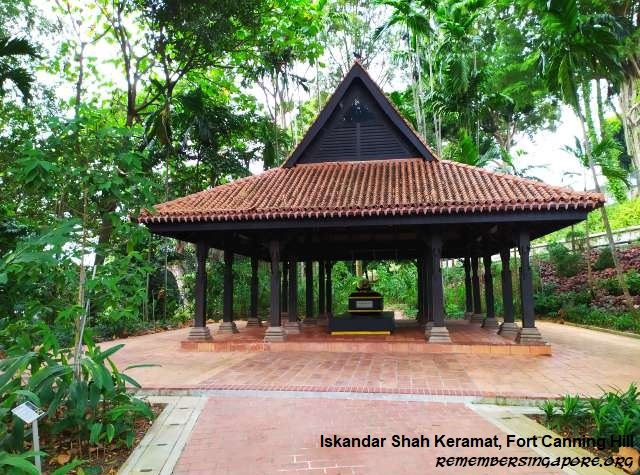
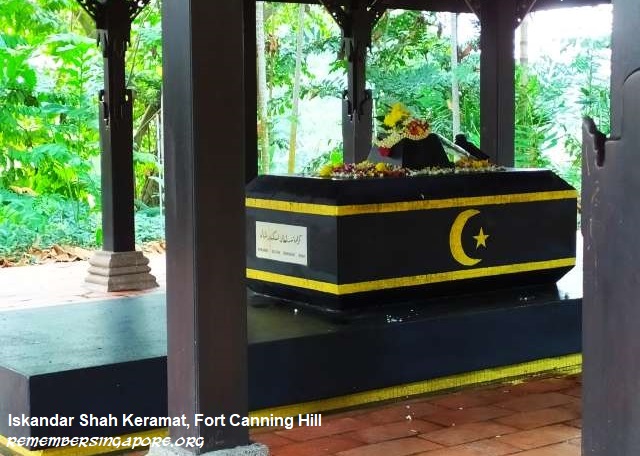
Some of the other well-known keramats in Singapore include Keramat Bukit Kasita (at Kampong Bahru Road), Keramat Sheikh Ali (at Kubur Kassim cemetery, Siglap Road), Keramat Radin Mas (Mount Faber Road) and Keramat Kusu (Kusu Island).
Many of the keramats had significant long histories, as reported in the Straits Times in the 1930s and 1950s. However, over the decades, numerous keramats had made way for redevelopment, with their graves exhumed and reinterred at the Muslim cemetery at Choa Chu Kang. Some of the affected ones were, for example, Keramat Maliki, previously located at Sennett Road and Keramat Syed Mustapha at Changi Road 6½ milestone.
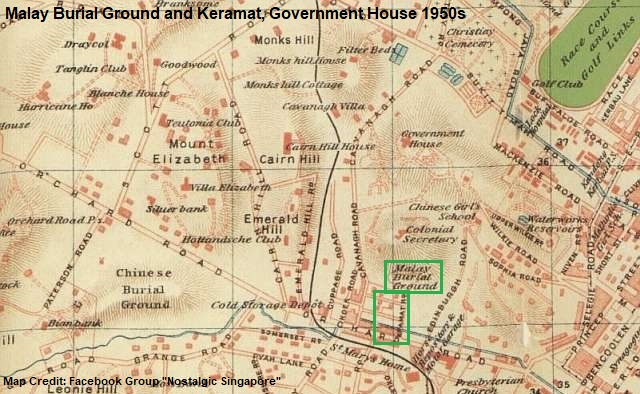
In the fifties, there was even a keramat and burial ground within the Singapore Government House (present-day Istana) premises. Located at a short distance between the Chief Secretary’s bungalow and the Government House’s main gates, it was set up by the Malay staff to commemorate an old Muslim saint, with permission given by then-governor Sir Robert Black.
Closure
Throughout the 20th century, many older Muslim cemeteries had became defunct and closed. Old Malay graveyards – such as those located at Sembawang Road, Upper Serangoon Road, Geylang Road, River Valley Road and near Pagoda Street – had vanished into history.
The early seventies saw another wave of cemeteries’ closure to make way for new developments. In April 1973, the Ministry of Environment announced the shutting down of 34 cemeteries in Singapore. It included 30 Muslim, three Chinese and one Hindu cemeteries.
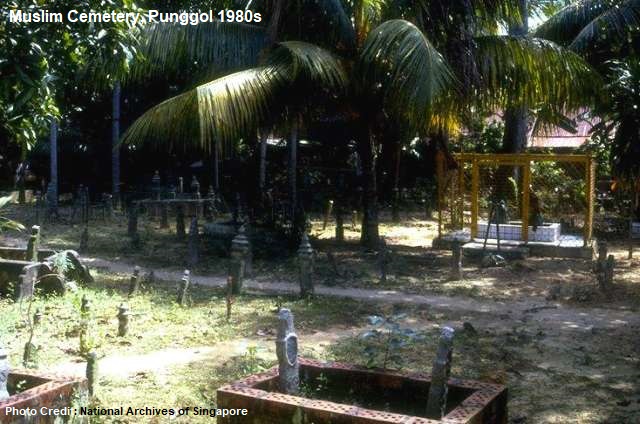
Some of the Muslim cemeteries affected were Kubor Wakaff Nyali (at Parbury Avenue, off East Coast Road), Kubor Wakaff Tanah Merah Kechil (Upper East Coast Road), Kubor Wakaff Serangoon Kechil (Punggol Road), Tanah Perkuboran Islam (Plywood Road, off West Coast Road), Tanah Wakaff Perkboran (Pulau Seking) and an unnamed Muslim cemetery at Nicoll Drive 15½ milestone.
Others were small plots of burial grounds situated at Kampong Ayer Bajau, Wing Loong Road, Jalan Bahar, Lorong Akar, South Seletar, Punggol end, Siak Kuan Road, Kampong Loyang and Nicoll Drive.
A large remaining of the affected Muslim cemeteries were those located on the outlying islands of Singapore. For example, Pulau Tekong had almost a dozen of cemeteries scattered all over the island at Kampong Seminea, Kampong Selabin, Kampong Sayangkong, Kampong Batu Koyak, Kampong Pasir, Kampong Ayer Sama, Kampong Semeni, Kampong Ayer Samak and Kampong Pahang.
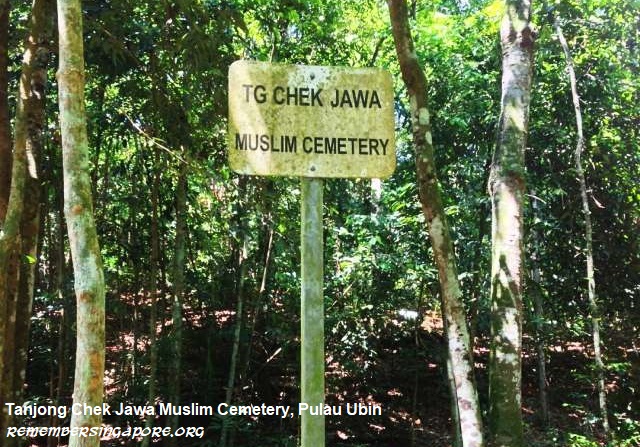
At Pulau Ubin, the burial grounds at Batu Daun, Kampong Chek Jawa, Kampong Surau, Kampong Sungei Durian and Kampong Bahru were eventually cleared. One signage, indicating the site of Tanjong Chek Jawa Muslim Cemetery, did, however, manage to survive till this day.
Exhumations
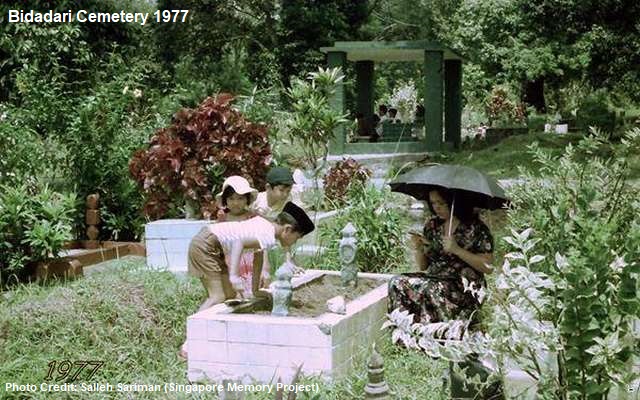
Bidadari Cemetery began as a Christian cemetery in 1908. The Muslim, Hindu and Sinhalese sections were subsequently added to the sites next to the Christian cemetery. In particular, the Muslim burial section at Bidadari Cemetery was opened in February 1910. A small mosque called Masjid Bidadari was built within the cemetery in 1932, providing religious needs until its demolition in 2007.
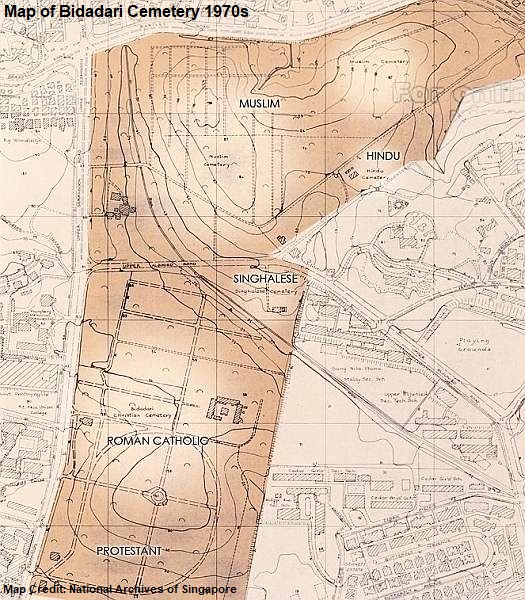
Bidadari Cemetery was closed in 1972. After two decades of sequestered state, the site came under redevelopment plans in the nineties for new Housing and Development Board (HDB) housing projects. By the mid-2000s, more than 100,000 Muslim (68,000) and Christian (58,000) graves had been exhumed. Most of the Muslim remains were reburied at the Choa Chu Kang Cemetery.
Former Minister for Labour Ahmad bin Ibrahim (1927-1962) was one of the prominent figures to have formerly buried at Bidadari Cemetery.
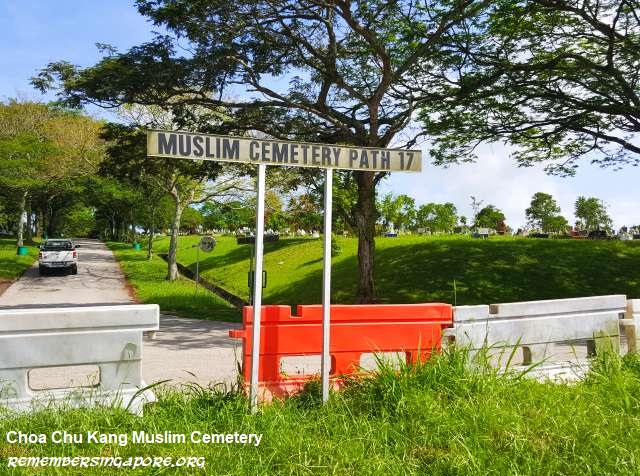
Choa Chu Kang Cemetery therefore remains as the only cemetery in Singapore still opened for new burials. However, this may also change in the next decade. About 35,000 Muslim graves at Choa Chu Kang Cemetery will be exhumed in the next few years, as portions of the cemetery gives way to the expansion of Tengah Air Base.
Since 2007, a new interment system has been used for Muslim grave exhumations, in order to save space by having the interred bodies reburied in a more compact method as compared to the traditional earth plots.
Under the new arrangement, the remains of eight deceased who have been claimed by their families will be buried together in one grave. Otherwise, 16 will be buried in one instead. During the exhumation, the gravedigger will seek permission from the deceased’s family members to collect the remains, after which they will be placed carefully on a piece of white linen.
Wrapped by the white linen, the remains will be cleaned, before being tied up and placed in the grave with seven other remains. The ustaz (Islamic religious teacher) will recite the Quran verses and pray with the deceased’s family members before the remains are lowered into the grave and covered with soil. A concrete lid, with grass on its surface, will be used to seal the grave.
Also read Past and Present Cemeteries of Singapore (Part 1) – Old Chinese Graveyards.
Published: 01 September 2019
Updated: 30 July 2023




 A
A  Highlights: Make a list of shops that your mother may want to go to – prices are lower and all kinds of fascinating things can be found. Put the shops under these headings – glass, frames, spices, household utensils, crockery, textiles, books, joss-sticks, furniture, Chinese herbs – accompanied by little map sketches, so that mum doesn’t have to hunt around on a hot afternoon.
 Highlights: Think of them as coach tours of rural Singapore. All services end by the sea:
 Highlights: The fish farm is commercial – you have to pay $5.50 for every rod you bring in. You can also rent rods from the owner. Day fishing from 6am to 6pm. Overnight fishing from sundown to sun-up – bring warm pullover, raincoat, thermos flask of hot beverages, some snacks, powerful battery lamp and waterproof torch for immersing in the water to attract the fish. Don’t bring books to read overnight – you will only strain you eyes. Make up ghost stories to stay awake.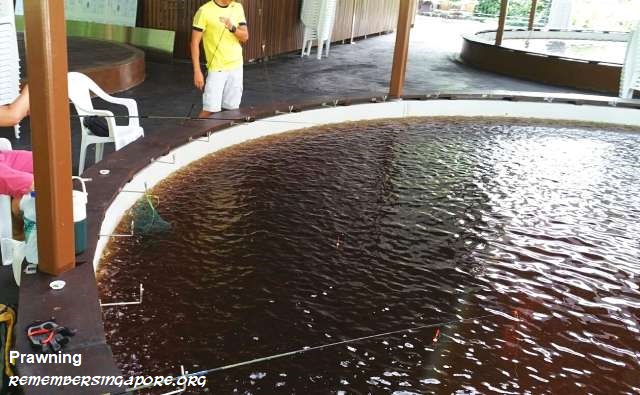
 Highlights: First get a permit – granted straightaway – from Parks and Recreation Dept, 19th floor, National Development Building, Maxwell Road. Don’t bring too much food – stuff like sausages, chicken wings and drumsticks, slices of ham and bacon, and bread are convenient. Remember the charcoal (no PUB cookers around!) and skewers or tongs. Afterwards, don’t douse the fire but sit around the dying embers telling tall tales or singing campfire songs.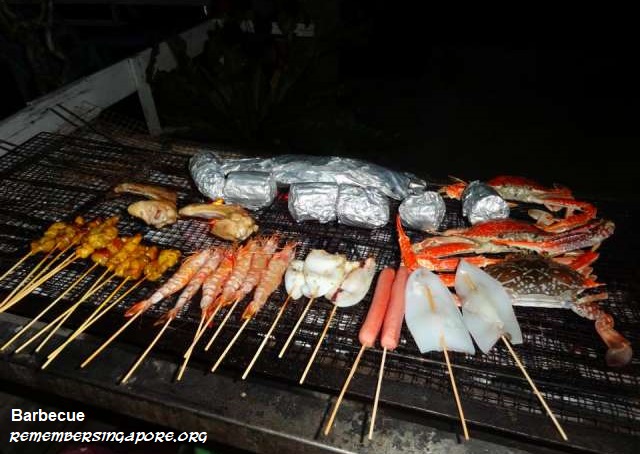
 Highlights: All you need is your passport. Five services daily, 8.45am, 1.15pm, 2, 8 and 10. Fare: Adults $1.30 (2nd class) and 90 cents (3rd class), children (under 12) 70 and 50 cents. Be at the station at least 45 minutes early to buy your tickets and go through Customs. Lots of things to do when you get to JB. Explore the tiny streets crammed with hawkers displaying their wares on the ground, the seafront padang, the cinemas, the shopping centres – all with a flavour so similar yet so unlike Singapore’s.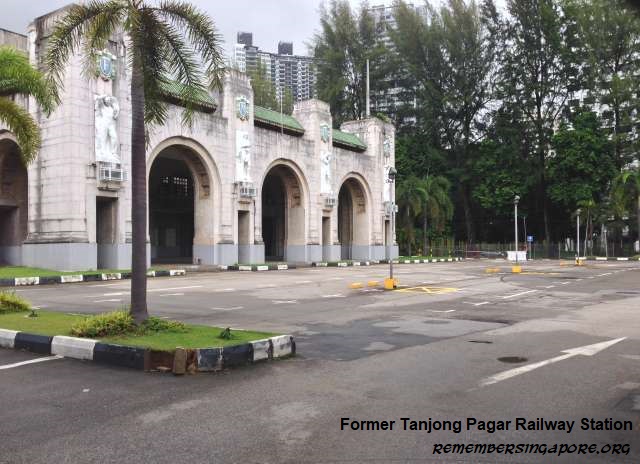
 Highlights: Two trips daily, 9am and 2pm. Organised by Universal Travel Corporation of People’s Park Centre. You board the boat at Clifford Pier for a 2-1/2 hour trip down the river (highlights are Boat Quay, boatmen’s shrine, Pulau Saigon, Raffles’ landing place), then back to the open sea towards Kallang Basin and the boatyards of Tanjong Rhu. Land at Oasis floating restaurant for refreshments and a coach tour of Katong including a visit to a Malay shrine, the Kramat Panjang. Adult fare $16, children under 12 years, half-price.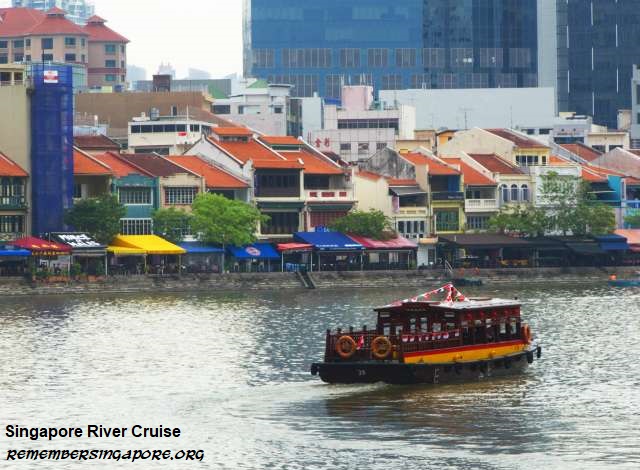
 Highlights: If you’re already a resident, start to find out everything about your satellite town; the police station, the various hawker centres, clinics, schools, major bus stops, unusual shops, late-night coffee shops, playgrounds, cinemas, banks and post offices. The best way to get around is by bicycle. New HDB streets are laid in geometrical patterns, making mapping easy. First draw an outline of the streets, then start filling in the important spots. To add realism, buy a compass ($2 or $3 for a simple one available from bookshops and emporiums) and draw the streets according to their compass direction. When the map is completed, you can frame it up in the living room for easy reference by the family.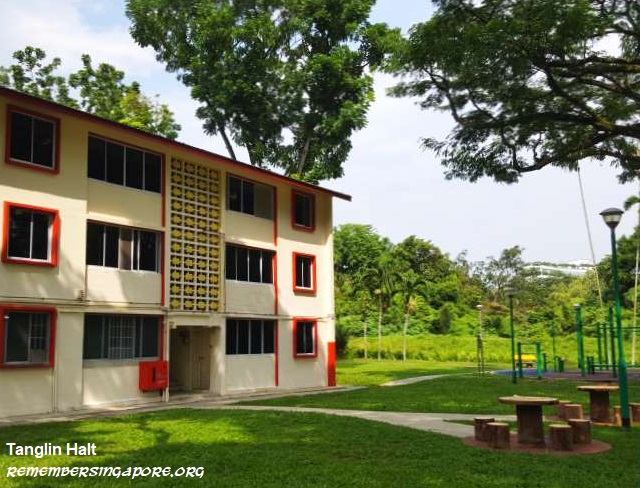
 Highlights: Climb up the series of steps to the summit or follow the winding track. For the more adventurous, bash through the bushes – you won’t get lost as long as you keep heading up. Watch out for the quarry. Note: Carry all your snacks and drinks in a haversack (the bag slung behind your shoulders, try Sungei Road) so as to leave your hands free.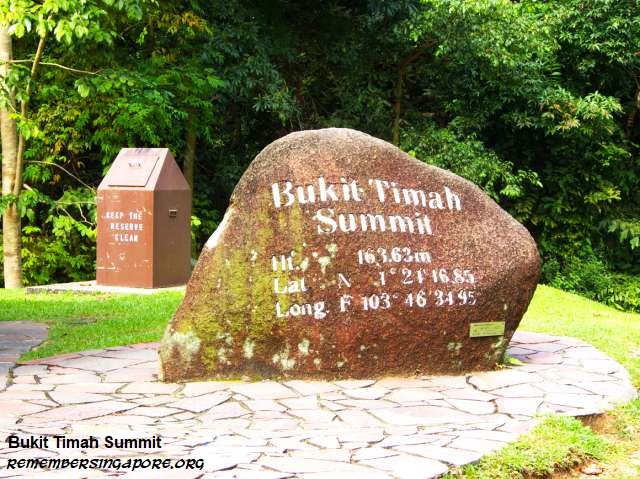
 Highlights: Our second biggest little island (after Pulau Tekong Besar) is just the right size for trekking and overnight camping. Try night fishing at a jetty on the northside, but don’t swim because jellyfish abound near the jetty. Trekking across island is not for children under 13 because of secondary forest and hilly ground.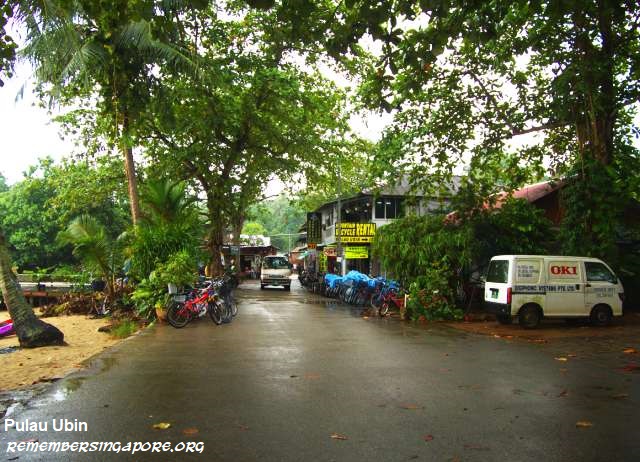
 Highlights: Cruise from the WTC is a quick half-hour round the harbour, at $1 for adults and 50 cents for children. Bring a camera to take unusual shots of the city skyline viewed from the sea, the busy port and the container terminal. For a long cruise, go to Clifford Pier – it’s a harbour and southern islands tour, at 9.30am and 3.30pm. The trip is 2-1/2 hours – you visit the harbour, the islands and stop over at Kusu.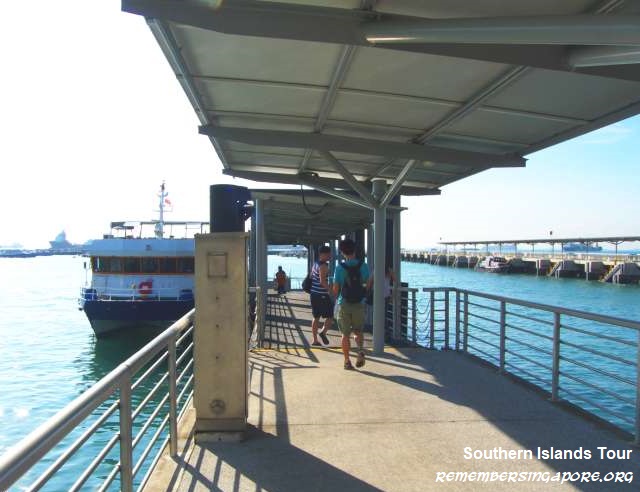
 Highlights: There are actually two reservoirs – Upper Peirce and Lower Peirce. Head for the Upper where there are toilets. Lots of huge spreading trees near the back for a quiet afternoon picnic. The place is practically deserted so you can have it all to yourself. But remember to get out before dark for the gate closes after 6pm.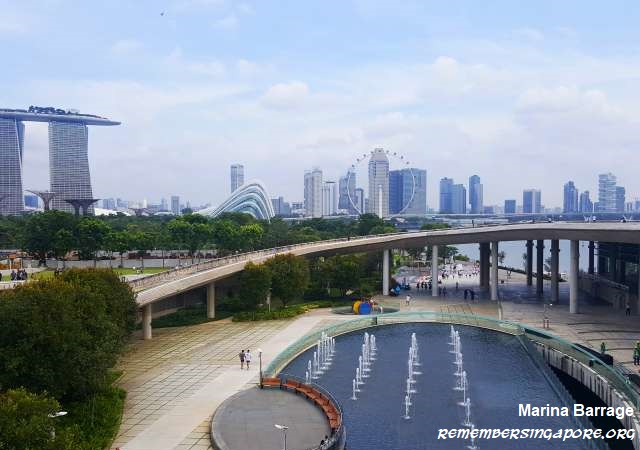
 Highlights: Why pay to see cinema shows when the museum has lots of movies – free but on first-come-first-served basis. Wednesdays (June 11, 18 and 25, at 8pm) and Saturdays (June 14, 21, 28, at 10.45pm). Some titles are World Beneath The Sea (June 14), Through The North-West Passage (June 18) and Reef Of Steel (June 28).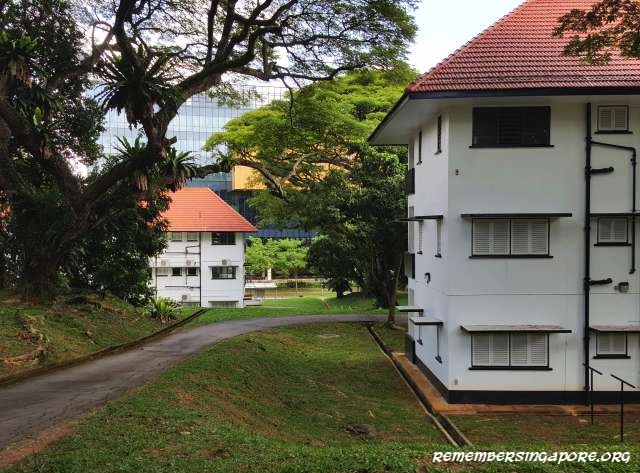
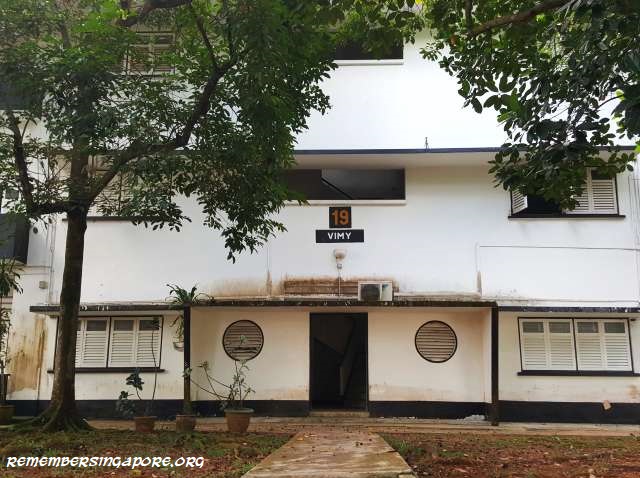
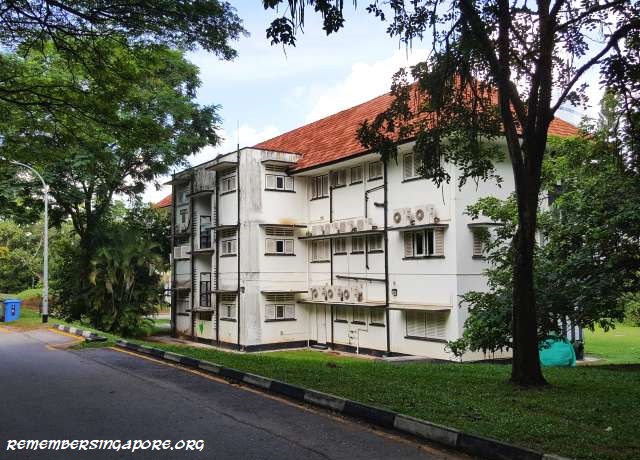
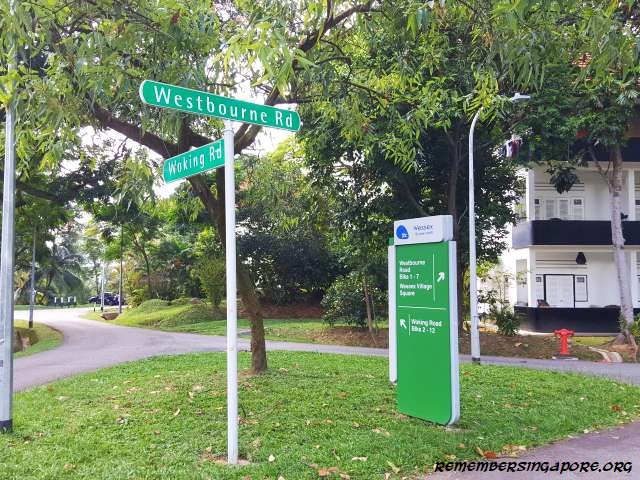
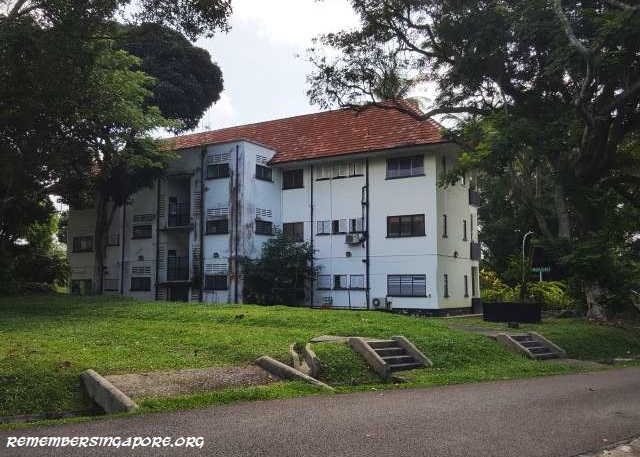
 In the fifties, a primary school was built at Wessex Estate by the British military for the children of their servicemen. In 1955, the use of the school premises was extended as a goodwill to the children of the Malay Other Ranks (MOR). Hence, the school became known as the Pasir Panjang Army Children’s School in the morning, and Wessex Estate Malay School in the afternoon sessions.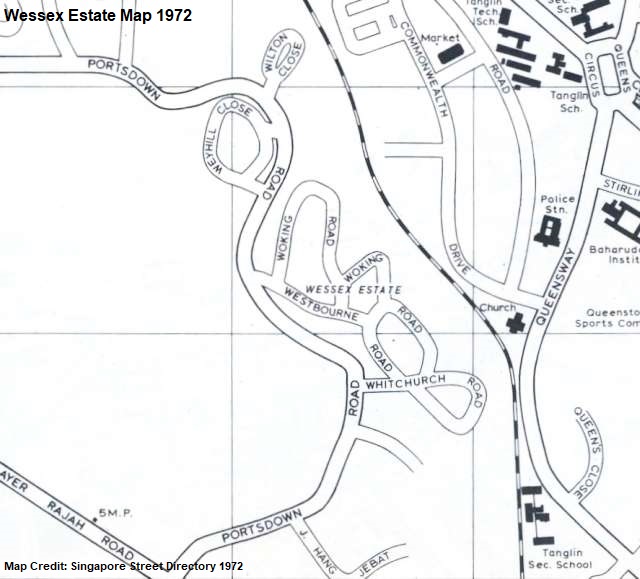




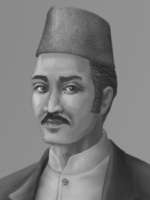 The Malacca-born multilingual
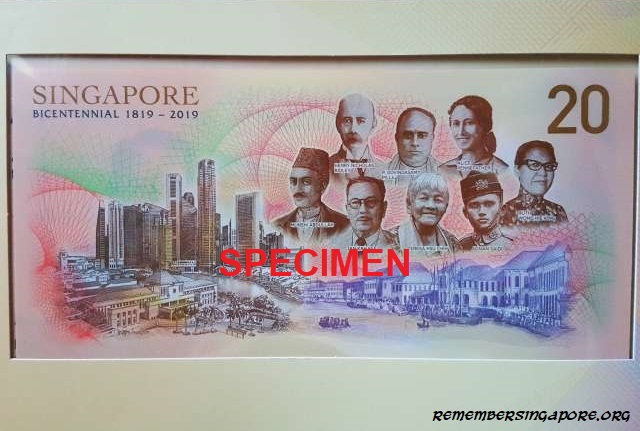
 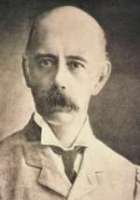 Henry Nicholas Ridley was Singapore Botanic Gardens’ first director, arriving at Singapore in 1888 for his appointment which lasted until 1911. During his stay, Henry Ridley explored much of Malay Peninsula for botany specimens, but his greatest contributions were his tireless research in improved tapping of latex and promotion of rubber trees as a valuable commercial commodity. This largely led to Singapore and Malaya’s booming rubber trades in the early 20th century, earning Henry Ridley his distinguished reputation as the father of the rubber industry. Ridley Park was named after him in 1923.
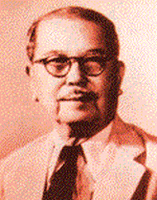 Tan Kah Kee was a prominent local businessman in the early 20th century, with investments in various industries such as rubber, newspapers, rice, manufacturing and shipping. Although his business empire was later severely impacted by the Great Depression, Tan Kah Kee remained a well-respected community leader and philanthropist. A firm advocate of education, Tan Kah Kee contributed to the establishment of many schools in Singapore, including Tao Nan, Ai Tong and Nanyang Girls’ Schools. He also led Singapore’s, as well as China’s, war efforts against the Japanese during the Second World War. Downtown Line’s Tan Kah Kee MRT Station was named in honour of him.
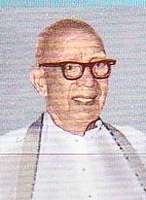 Successful South Indian businessman, property owner and philanthropist P. Govindasamy Pillai first came to Singapore in 1905 as a poor youth, slogging at a provision shop for years. When the shop closed down, Govindasamy Pillai took a leap of faith and bought over it with his savings and borrowed money. The Second World War made him lost almost everything, but he was able to revive his business after the war and further expanded it to Johor and Malacca. Govindasamy Pillai’s contributions were well-remembered, especially his generous donations to Sri Srinivasa Perumal Temple and welfare organisation Ramakrishna Mission.
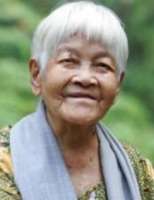 Born in China to a poor family, Teresa Hsu and her family moved to Penang after her father had abandoned them. With no formal education, she managed to gain knowledge by joining the children’s classes at the convent she worked in. In 1933, she left to work in Hong Kong, learning English and typing at night. After the war, Teresa Hsu, at age 47, studied nursing at London, and participated in voluntary services to help the poor and needy. She arrived at Singapore and founded the Home for the Aged Sick in 1965.
 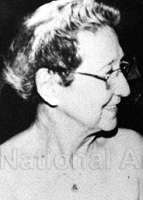 Alice Pennefather – her full name was Alice Edith Wilhemina Patterson – was one of Singapore’s pioneering sportswomen, winning multiple badminton championships in Singapore and Malaya from the 1930s to 1950s. Equally good in tennis, she was crowned champion of the Singapore Ladies Tennis for three consecutive years in the late 1930s. The all-round Alice Pennefather also captained the Girls’ Sports Club hockey team from 1931 to 1958. During its 50th anniversary in 1980, the Sports Club hailed her as “The Grand Old Lady of Sport”. She was inducted into the Singapore Women’s Hall of Fame in 2016.
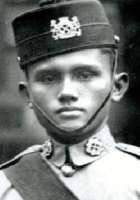 A war hero, Lieutenant Adnan Saidi led his Malay Regiment’s 1st Battalion men in the defence of Singapore during the Second World War. Born in Selangor, Adnan Saidi joined the Malay Regiment in 1933 and was posted to Singapore in 1941 to defend Pasir Panjang. At the intense Battle of Opium Hill (Bukit Chandu) on 13 February 1942, Adnan Saidi and his men put up fierce resistance against waves of Japanese attacks. Outnumbered and undersupplied, the brave troop fought to the last man. Adnan Saidi was captured and brutally tortured, before killed by the Japanese. His valour and loyalty would always be remembered in history.
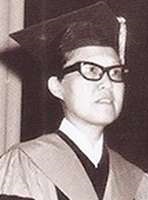 Singapore’s pioneering educator, Ruth Wong Hie King was credited with the revolutionary transformation of teacher training in Singapore. As the first woman principal of the Teachers’ Training College (later became Institute of Education) in the early seventies, Ruth Wong introduced a disciplined approach to the training of new teachers and enhanced their curriculum. This greatly aided in the professional competence of the teachers and indirectly improved the growth of the students under their charge. Singapore’s educational standard of teachers and students, as a whole, had therefore risen significantly.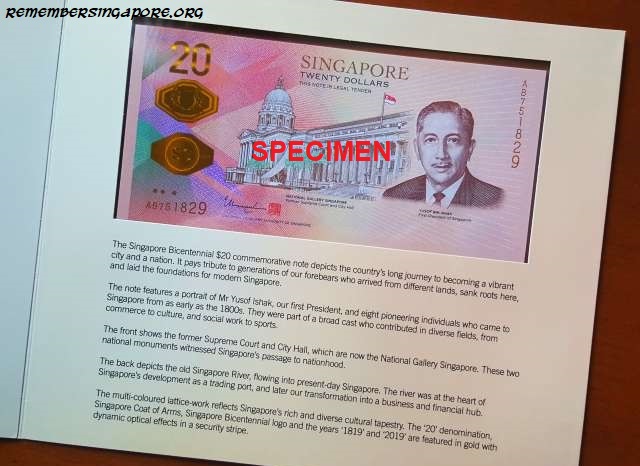

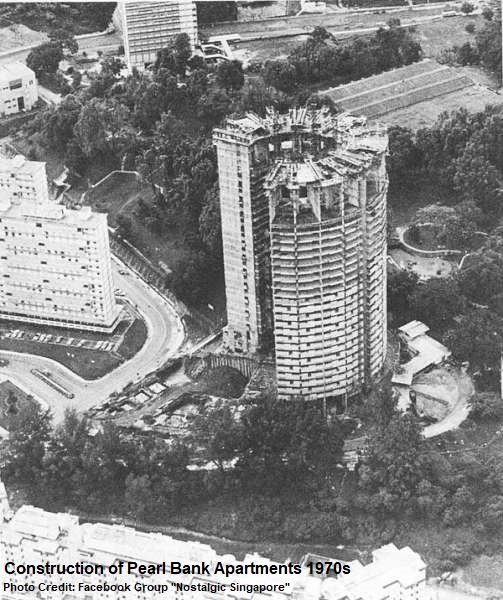
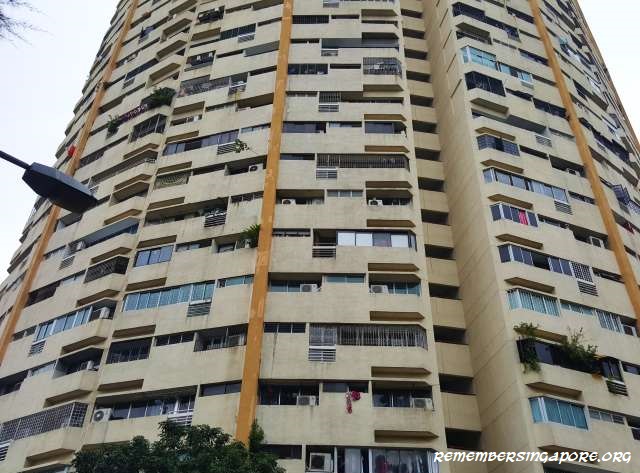
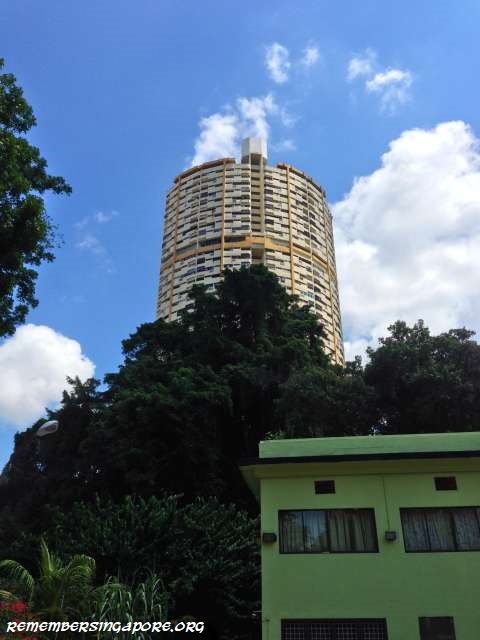
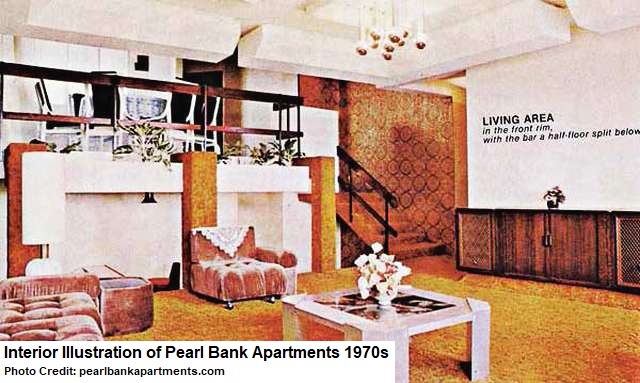
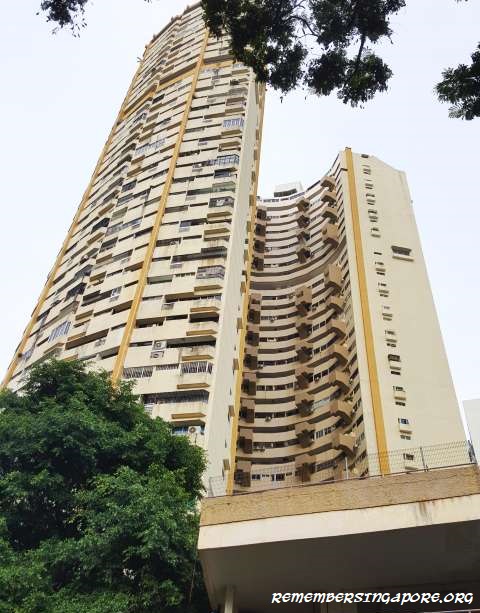
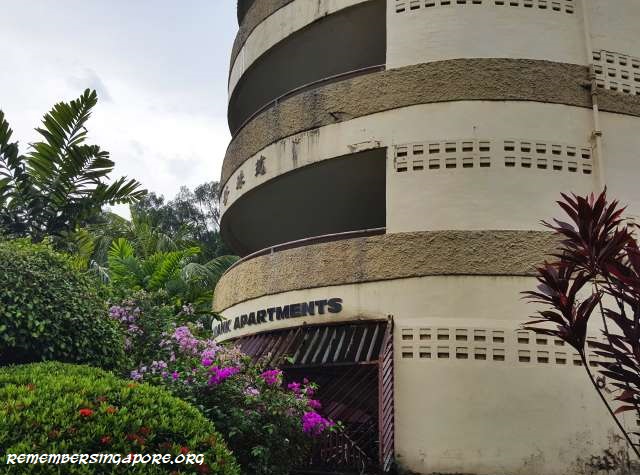
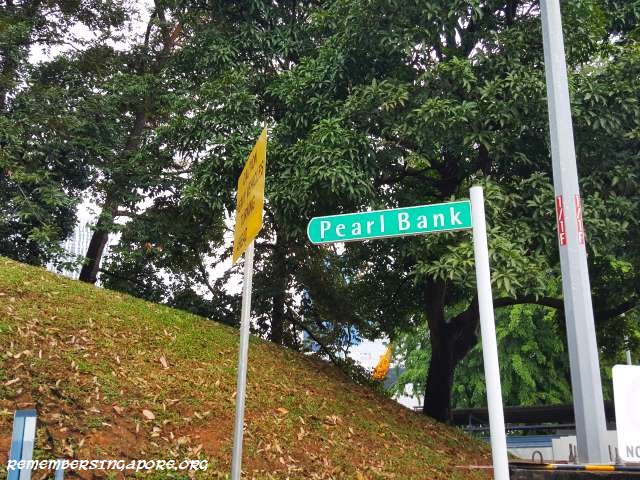
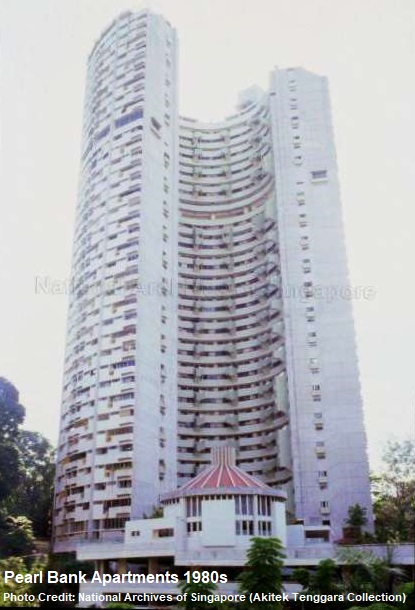 Hence, in 1978, the Housing and Urban Development Company (HUDC), the government’s middle-income housing development arm, moved in to buy 38 Pearl Bank Apartments units, making them available for HUDC applicants. URA also purchased eight penthouses in 1979, after which they were offered to interested civil servants and statutory board employees.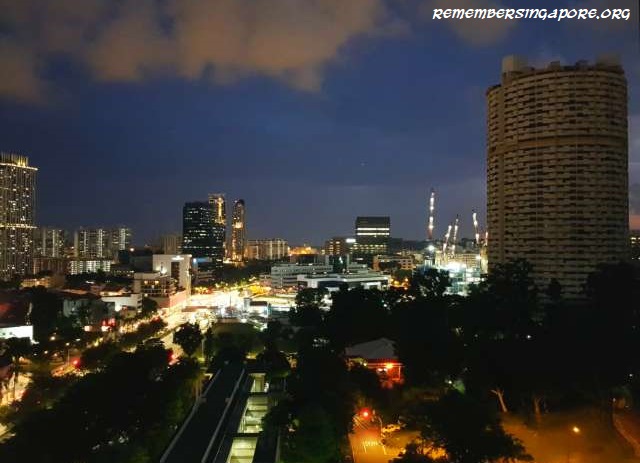
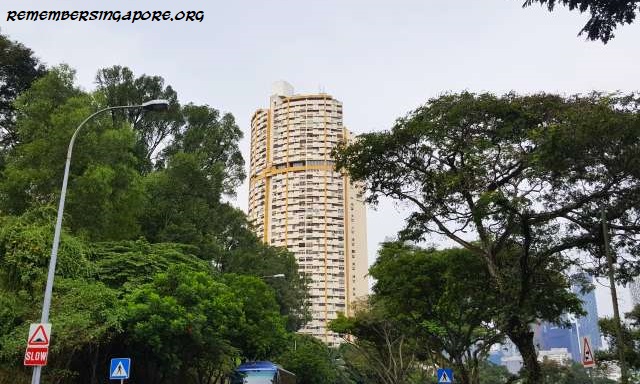
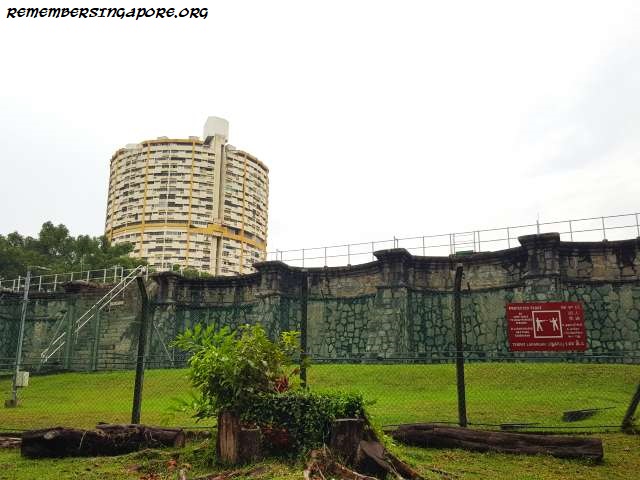
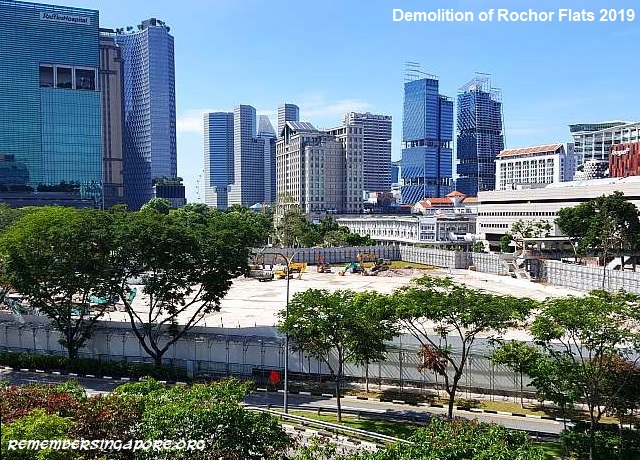
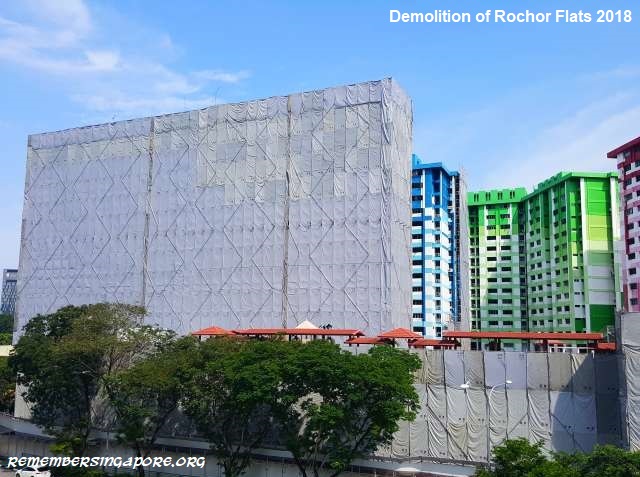
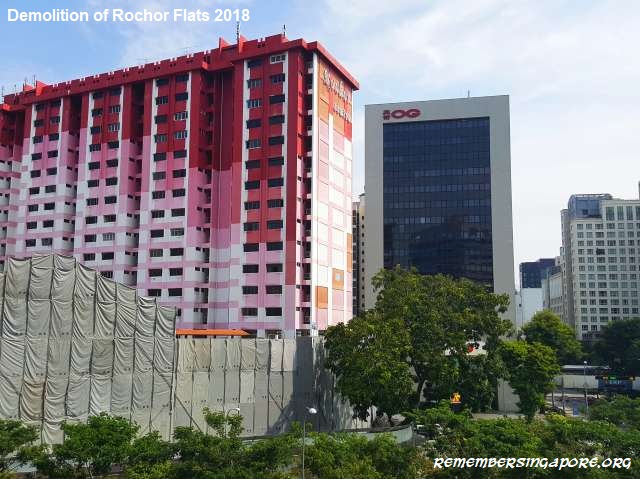

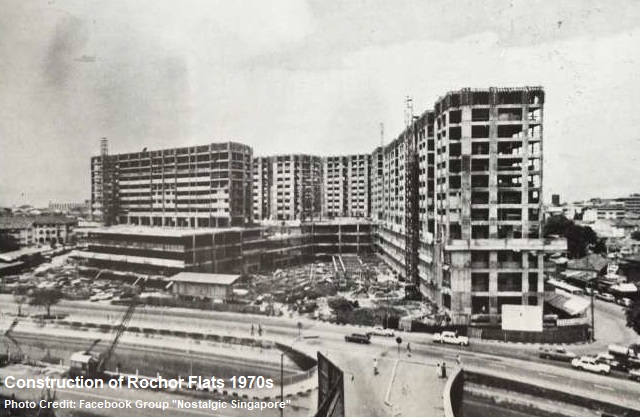
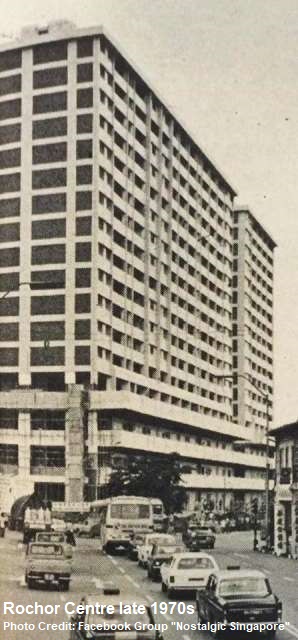 Many more flats were built, between the late seventies to mid-eighties, at Albert Street, Jalan Sultan, Kitchener Road, Blanco Court, Bras Basah, Boat Quay, Cantonment Road, Hong Lim and Anthony Road, bringing the total number of HDB’s residential units at the central area to almost 10,000.