
Floats procession was one of the highlights of Singapore’s National Day celebration event. Starting from 1967, various local organisations, ministries and statutory boards would spent tons of efforts to design their floats, wowing spectators with different flashy, creative and sometimes unique appearances. In the early days, the floats also aimed to send messages and promote slogans to the public.
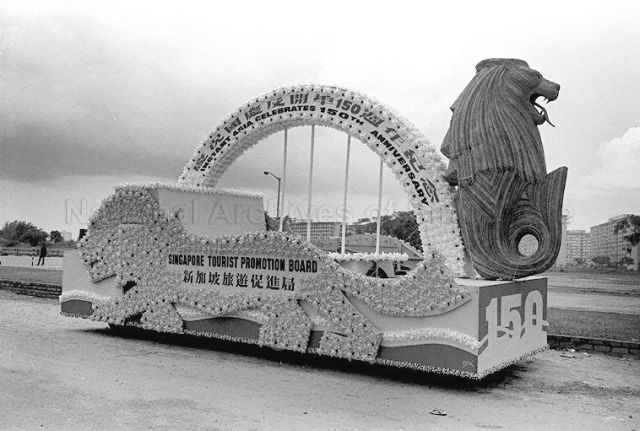
1969 – A float by the Singapore Tourist Promotion Board (STPB) displaying a large merlion at the front. First designed in 1964, the merlion became STPB’s trademark two years later with exclusive rights for its usage.
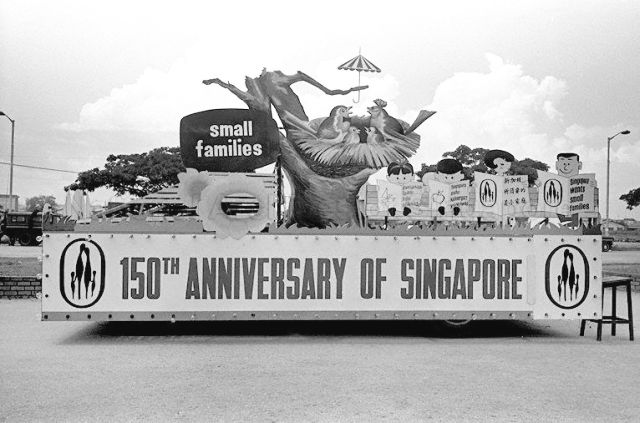
1969 – Under the Ministry of Health, the Singapore Family Planning and Population Board (SFPPB) was established in 1965 to oversee family planning in Singapore under the government’s Five-Year Family Planning Program (1966–1970). Its float here advocated the “small families” slogan, as well as commemorated Singapore’s 150th anniversary (1819-1969).
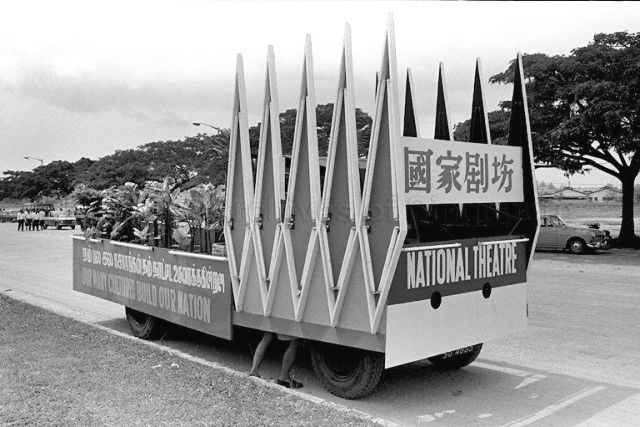
1969 – This float designed in the shape of the iconic National Theatre (1963-1984) was the efforts by the National Theatre Trust, which managed the funds raised from the general public and organisations for the construction, operations and maintenance of the theatre.
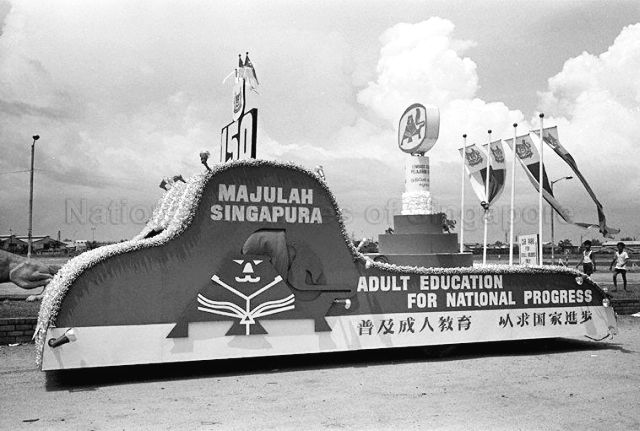
1969 – The Adult Education Board (AEB), under the Ministry of Culture, was established in 1960 to provide adult education through language proficiency, vocational, technical and general courses. It was later evolved to become ITE (Institute of Technical Education) in the early nineties.
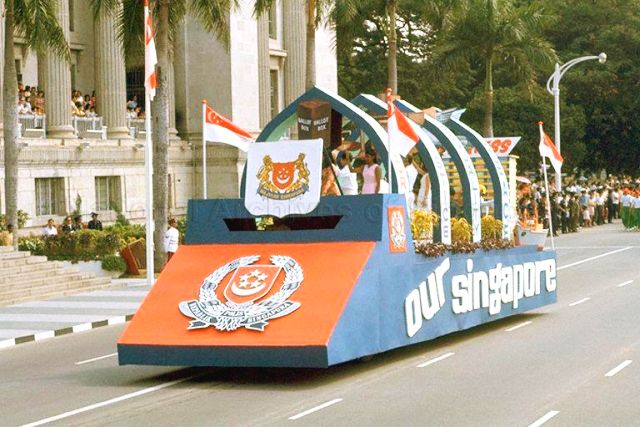
1972 – The Singapore Police Force (SPF) float displayed its crest, embeded with the “Polis Repablik Singapura” (Republic of Singapore Police in Malay) name that was adopted in 1968. The police force also saw another big change in 1969, when its grey flannel shirts and khaki shorts were replaced by the modern navy blue shirts and pants.
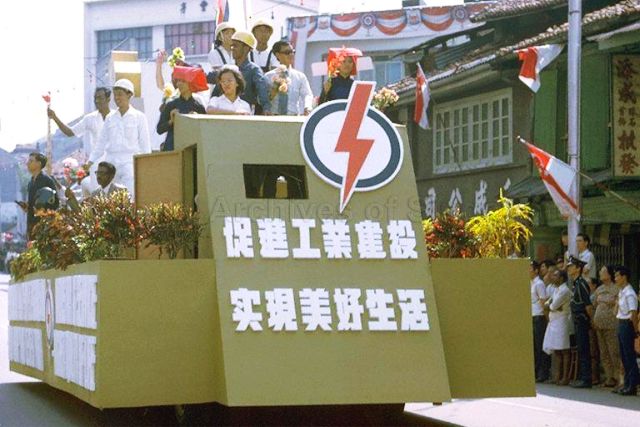
1972 – The People’s Action Party’s (PAP) float depicted Singaporeans from all walks of life, working together for the nation’s industrial development and towards a better life.
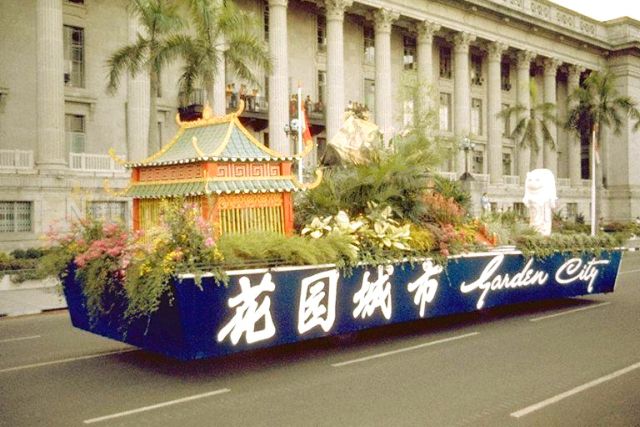
1973 – A beautiful float by the Singapore Tourist Promotion Board (STPB) with the “Garden City” slogan.
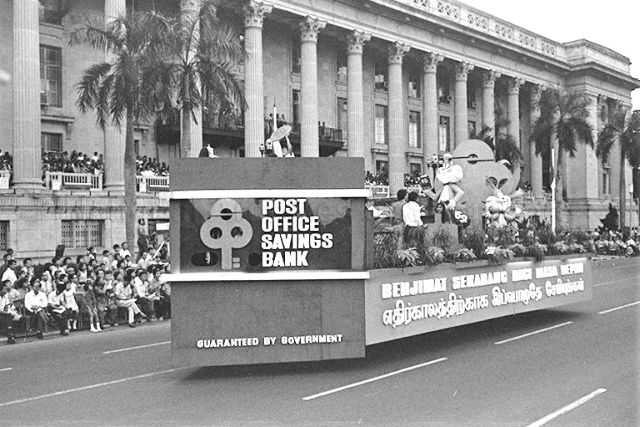
1974 – The Post Office Savings Bank (POSB) was converted into a statutory corporation by the government in 1972 so that the bank could improve its operations by having more flexibility and freedom in management.
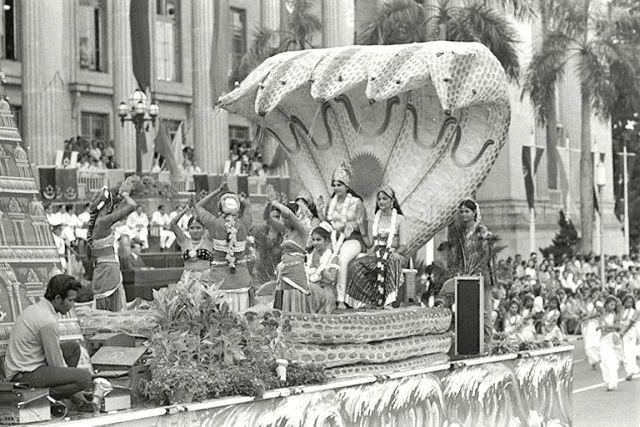
1974 – The Singapore Indian Chamber of Commerce’s float had participants portraying Hindu mythology of Lord Vishnu and his consort Lakshmi.
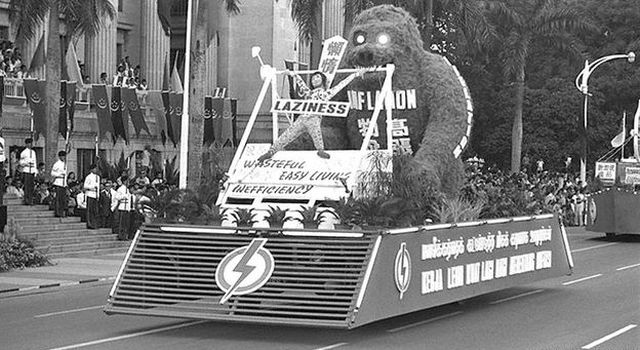
1974 – Probably one of the “strangest” float designs ever, but it was clear that the new nation needed to boost productivity and enhance efficiency and effectiveness. The National Productivity Board (NPB) was set up in 1972 under the Ministry of Labour for this purpose.
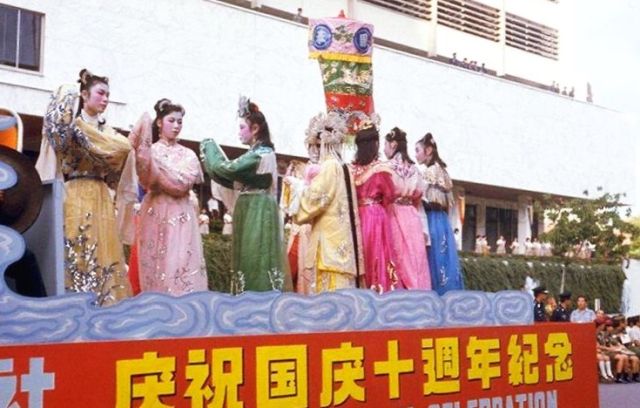
1975 – In the 10th anniversary of Singapore’s independence, a float was created by a local Chinese opera troupe and participated in the National Day Parade.
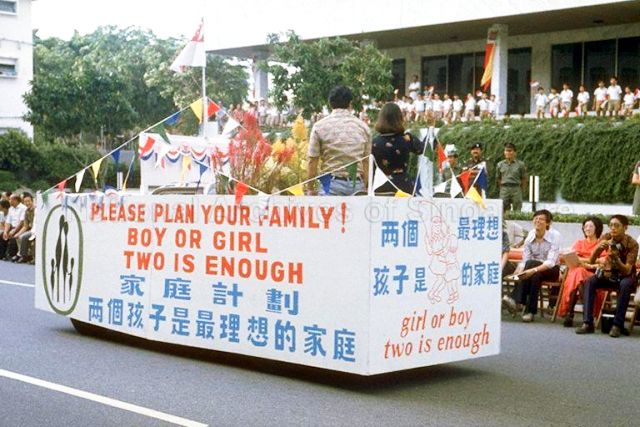
1975 – The float of the Singapore Family Planning and Population Board (SFPPB) was simple in design yet bold and clear in its “Two is Enough” message.
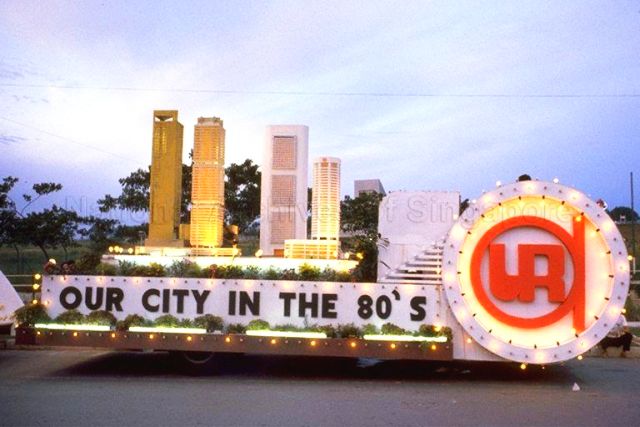
1980 – The Urban Redevelopment Authority (URA) was formed in 1974 for the long term planning of Singapore’s land usage. Its float, consisted of several iconic skyscrapers, promoted the importance of a well-planned city in the eighties.
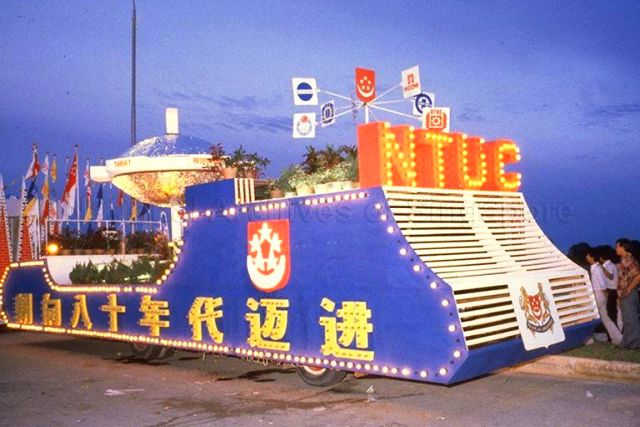
1980 – A national confederation of trade unions, National Trades Union Congress (NTUC) was formed in 1961. Its float here displayed the Chinese wordings of “Marching into the Eighties”.
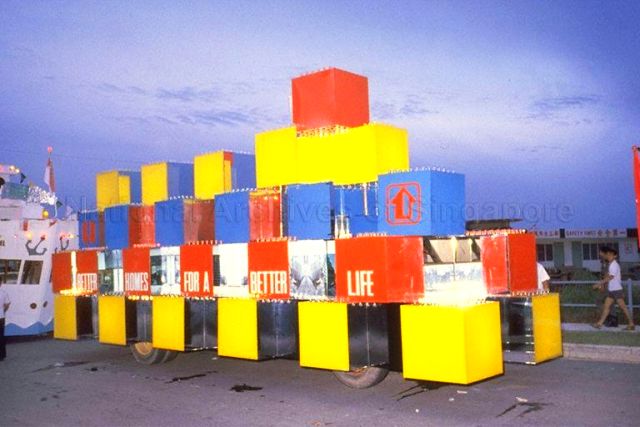
1980 – The float by the Housing and Development Board (HDB) probably would not win any prizes in design but it did carry an encouraging message of “Better Homes for a Better Life”.
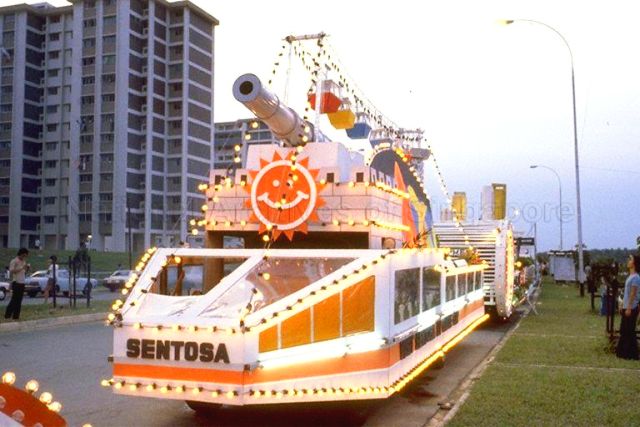
1980 – The Sentosa Development Corporation’s (SDC) float displayed a cannon, representing one of its main attractions Fort Siloso, which was opened in Sentosa in 1974 as a military museum.
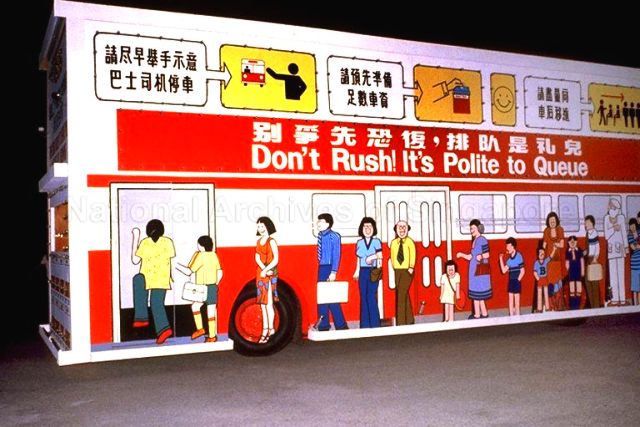
1980 – The National Courtesy Campaign kicked off in 1979, and was promoted here in a mock up double decker bus. Singapore had its first fleet of double decker buses in 1977. Meanwhile, iconic mascot Singa did not appear in the courtesy campaign until 1982.
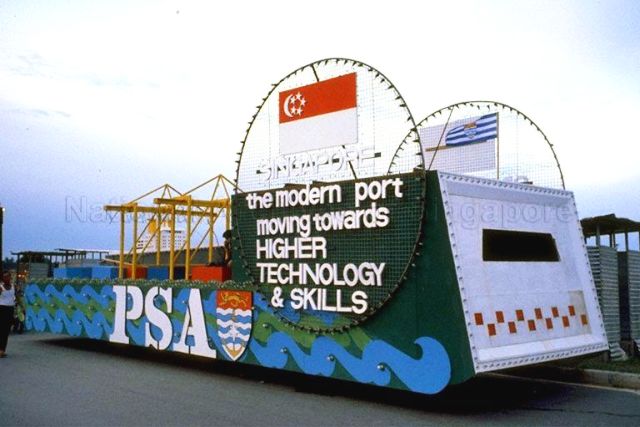
1980 – The Port of Singapore Authority (PSA) was established in 1964, and as its slogan on the float implied, it would begin to leverage on technology to automate and computerise its port operations in the eighties.
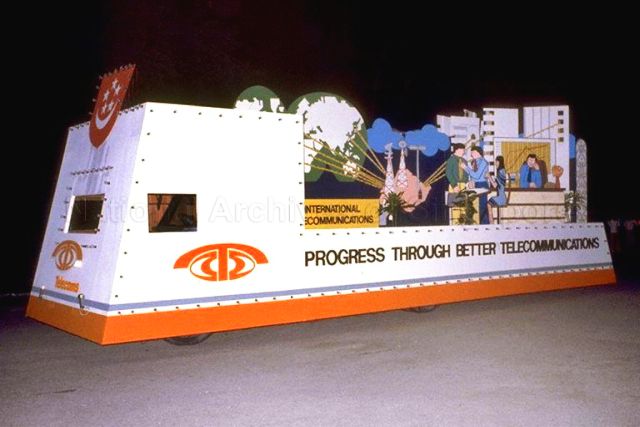
1980 – The Telecommunication Authority of Singapore (TAS) was formed in 1974 as a statutory board to manage and administrate all the domestic and international telecommunications of Singapore.
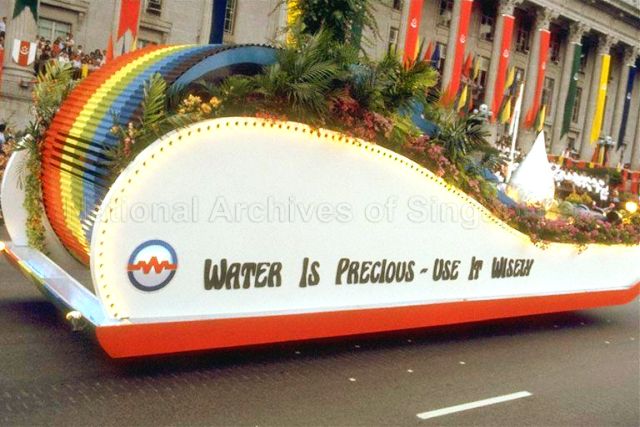
1982 – Established in 1963, the Public Utilities Board (PUB) had been advocating the conservation and usage of water in Singapore.
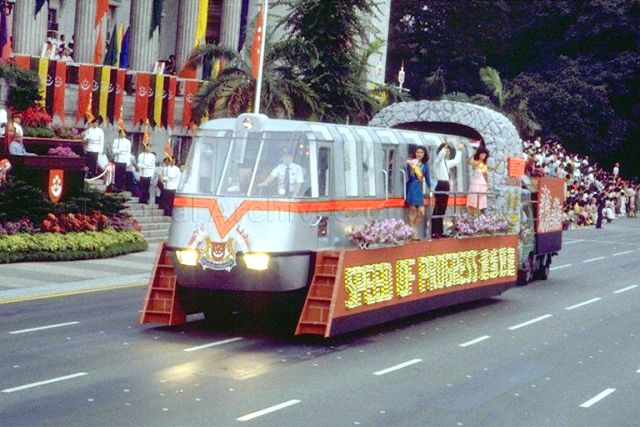
1982 – Singapore’s fast progress in the early eighties was likened to a Mass Rapid Transit (MRT), conceptualised here as the design of the float. The MRT would become a reality for Singapore when it officially operationalised in 1987.
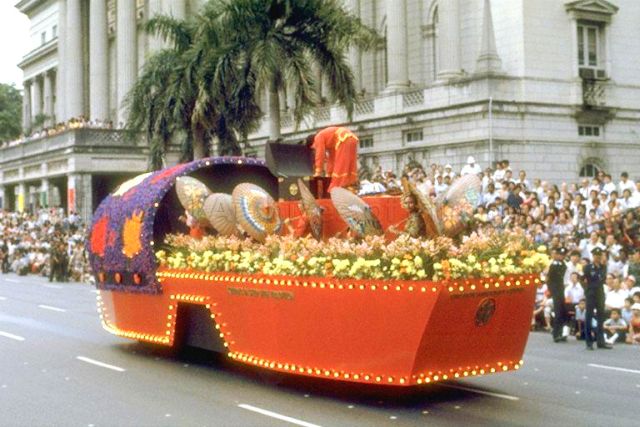
1982 – A unique float designed in the shape of a giant red clog. Clogs were once popular footwear in Singapore, especially among the hawkers, housewives and residents living in Chinatown, where many clog shops flourished.
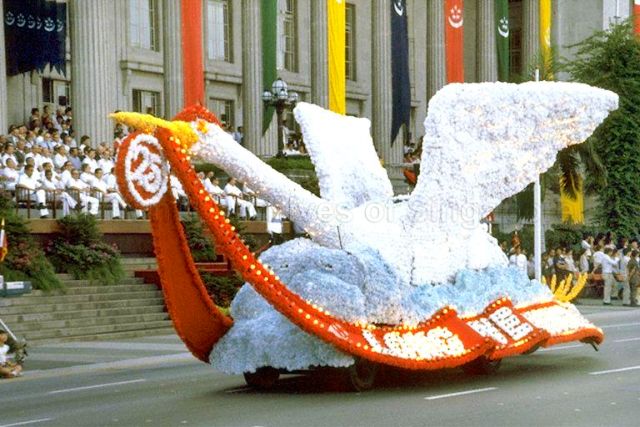
1984 – The People’s Association’s (PA) float commemorated Singapore’s 25 Years of Nation Building (1959-1984).
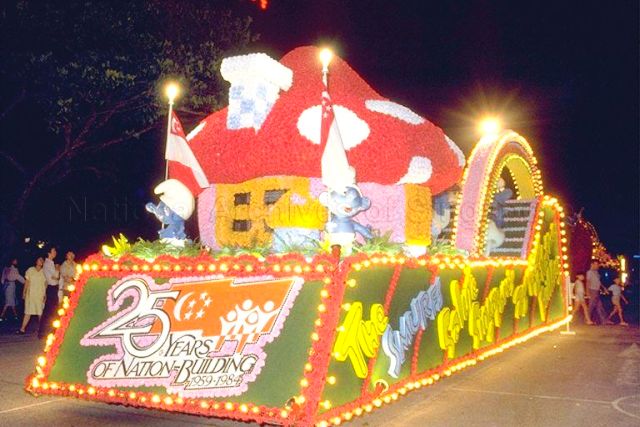
1984 – Private organisations also sponsored floats to participate in the procession, as shown here in a smurf-themed float by Cardinal Points Pte Ltd. It proved to be popular among the kids.

1984 – This unique float by the Handicraft Centre won the Most Creative Float award.
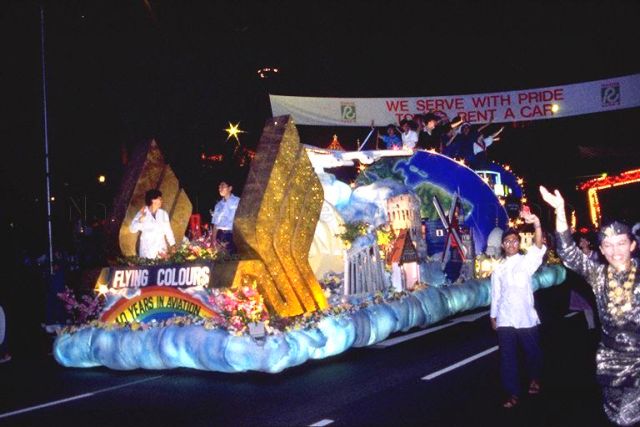
1987 – The national carrier Singapore Airlines (SIA) started in 1972 after the split and cease of the former Malaysia-Singapore Airlines (MSA). Its logo of a golden bird spreading its wings has since become a renowned symbol of SIA.
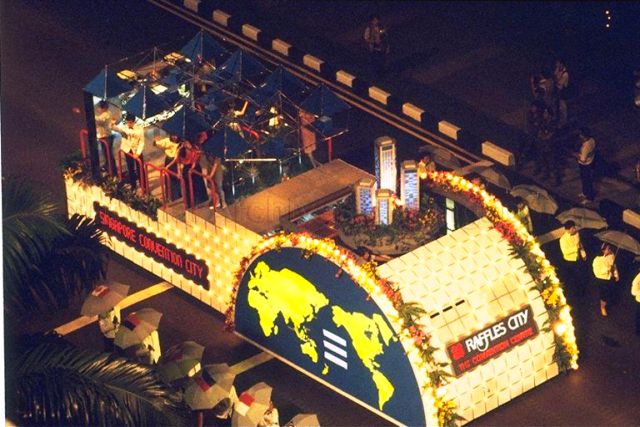
1987 – Raffles City, the new landmark opened in 1986, consisted of a shopping complex, hotel, offices and a large convention centre.
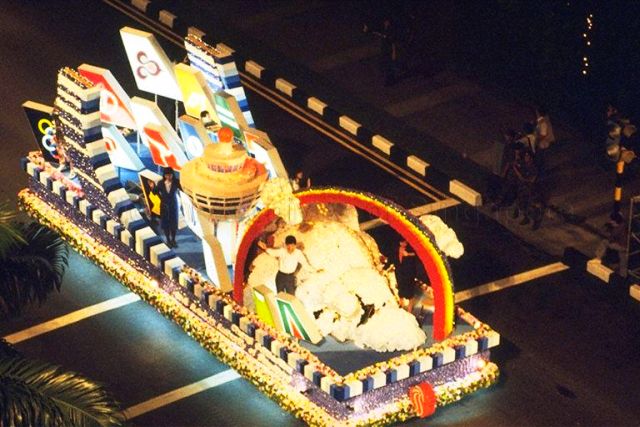
1987 – The Civil Aviation Authority of Singapore (CAAS) was formed in 1984 as a regulator of civilian air traffic and also to promote Singapore as an international air and aviation hub.
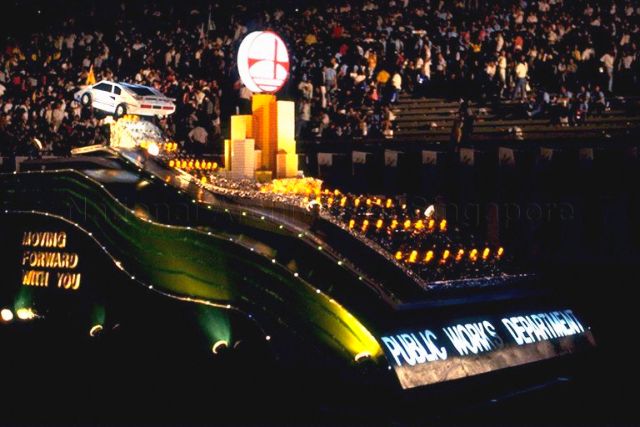
1991 – The Public Works Department (PWD) was a long-time government agency in-charge of public infrastructure projects. It was incorporated in 1999 and become CPG Corporation today.
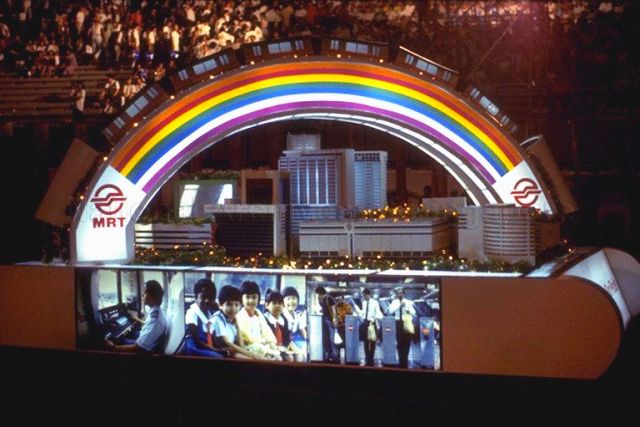
1991 – The Singapore Mass Rapid Transit (SMRT) was set up in 1987 for the train operations and maintenance. The MRT system was widely accepted by the public, and by the early nineties, more new stations were opened at the extended North-South and East-West lines.
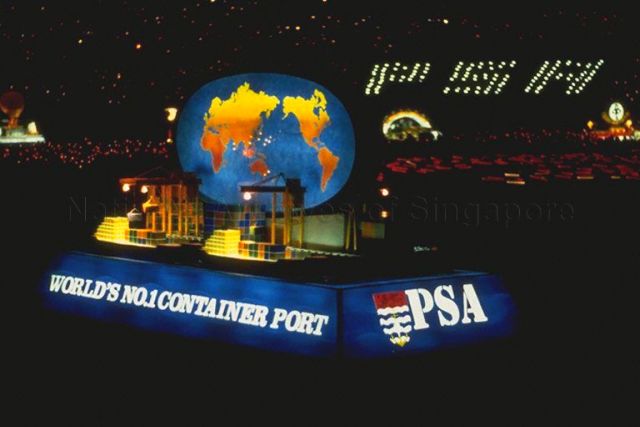
1991 – The Port of Singapore Authority (PSA) proudly displayed the wordings “World’s No. 1 Container Port” on its float. Indeed, a year earlier, its annual throughput had reached 5.2 million TEUs (cargo capacity term of “twenty-foot equivalent unit”), helping Singapore to become the busiest container port in the world.
A happy 56th birthday to Singapore!
Photo Credit: All photos are sourced from the Ministry of Information and The Arts (MITA) via the National Archives of Singapore.
Published: 9 August 2021
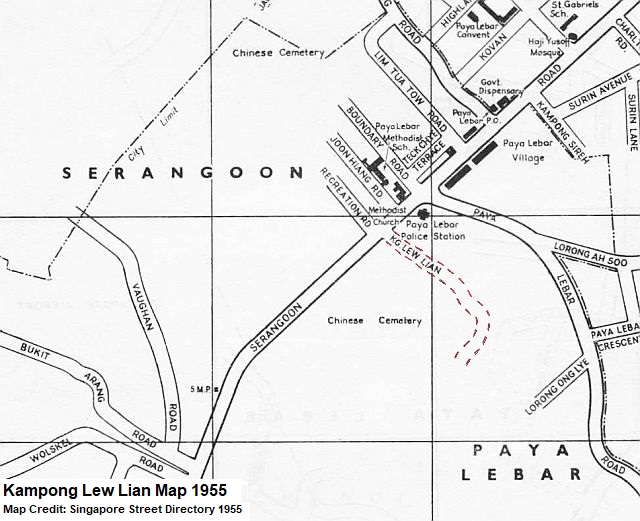



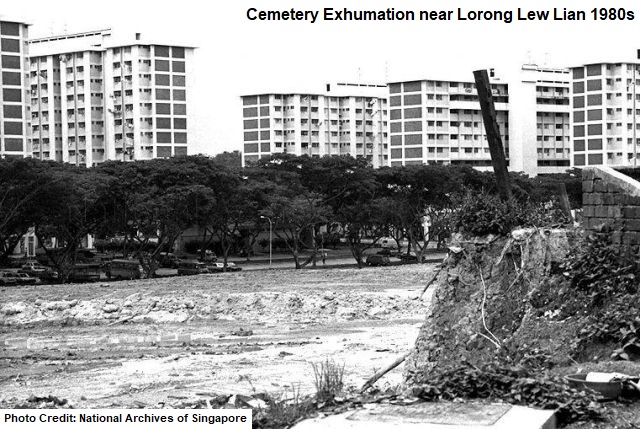








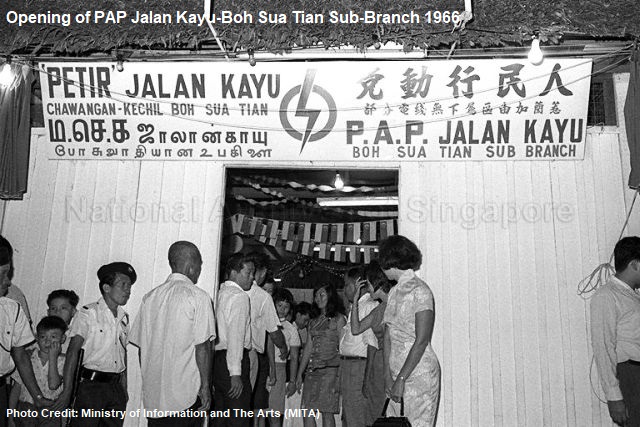
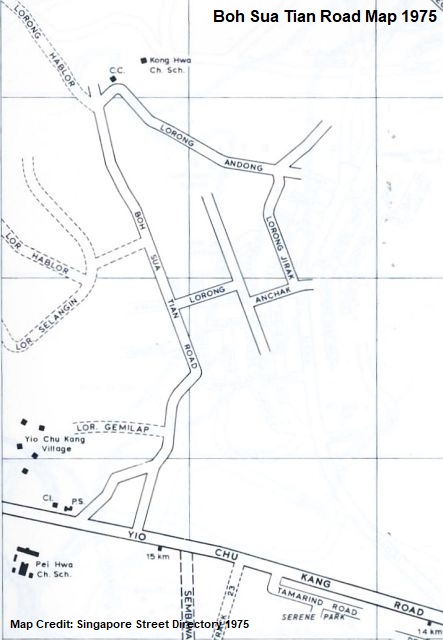 At its peak, Boh Sua Tian Road was home to numerous community centres, temples and schools, such as Sin Cheng Chinese School and Kong Hwa Chinese School. A Seletar Sewage Treatment Works was also installed at the junction of Boh Sua Tian Road and Lorong Andong in the seventies.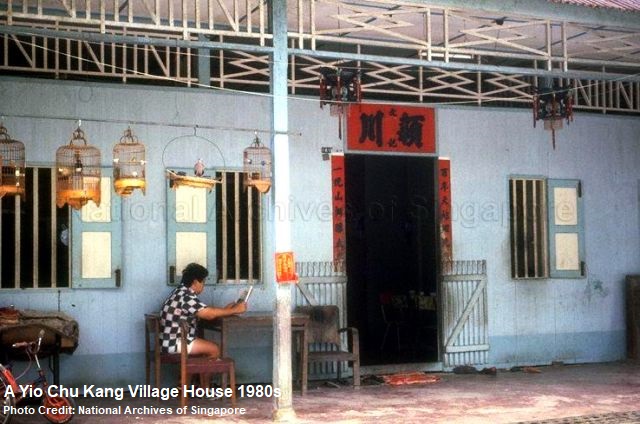
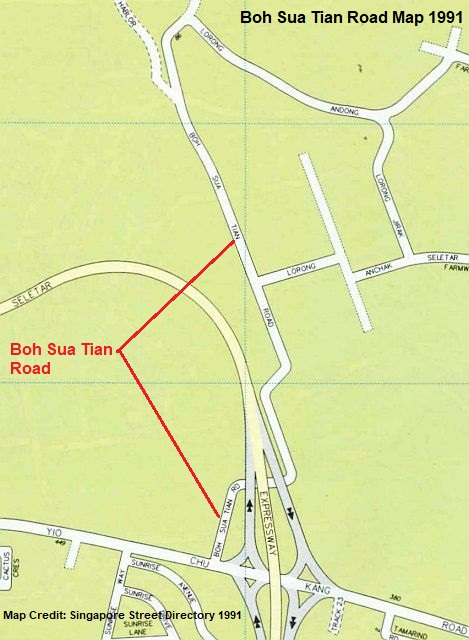 The first phase of the massive CTE project (between Yio Chu Kang Road and Bukit Timah Road) was completed in 1989, after which the development of the expressway was continued to be linked to the Seletar Expressway (SLE) and Tampines Expressway (TPE). In 1990, the direct link between SLE and CTE was officially opened for traffic.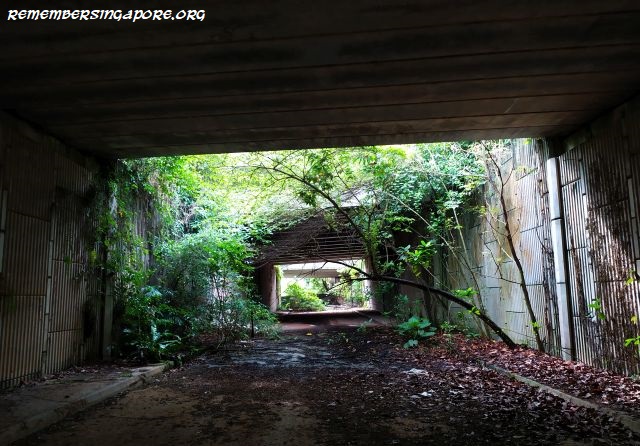

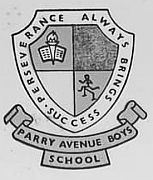
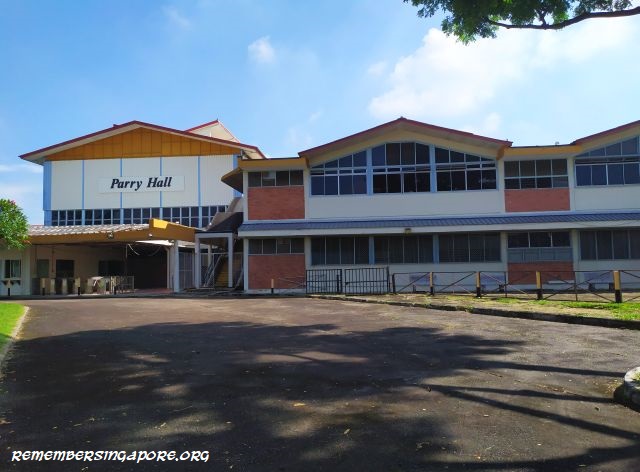
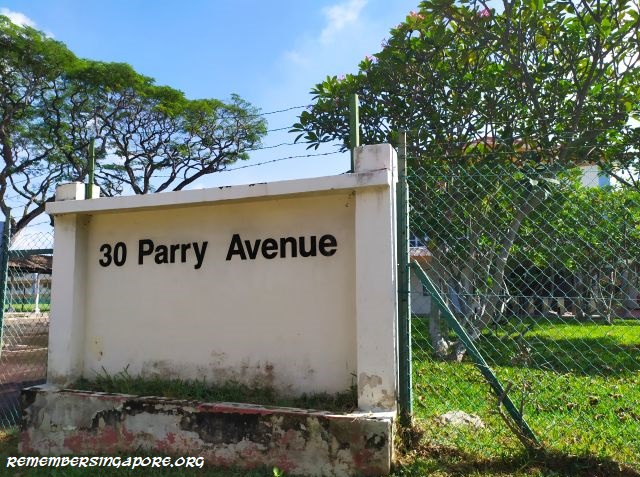
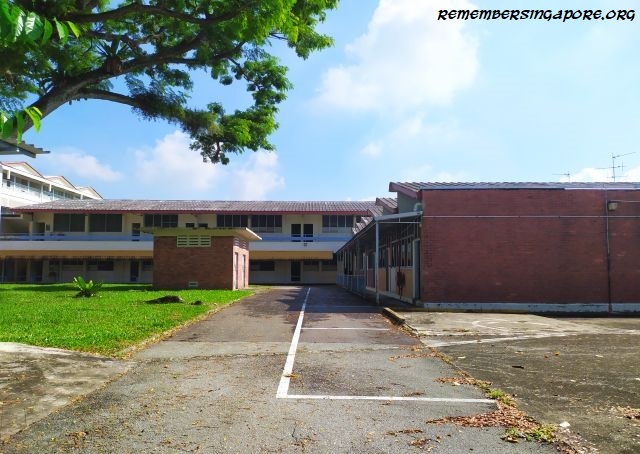
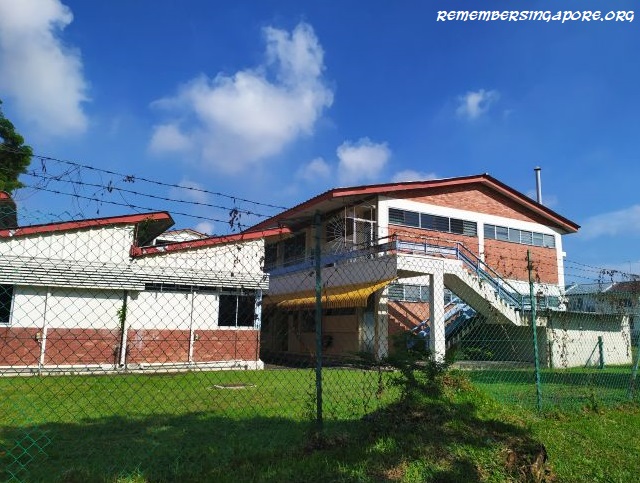
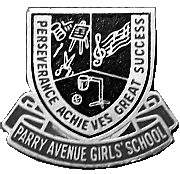 The national level of primary education remained low in the fifties. In 1958, the Education Ministry announced on the newspapers to request parents to seek admission for their children to the published list of government schools with vacancies. Parry Avenue Boys’ and Girls’ Schools were two of the schools with many vacancies. Both schools were also affiliated. It meant that the sibling of a student at Parry Avenue Boys’ School could claim affiliation and register to study at Parry Avenue Girls’ School, and vice versa.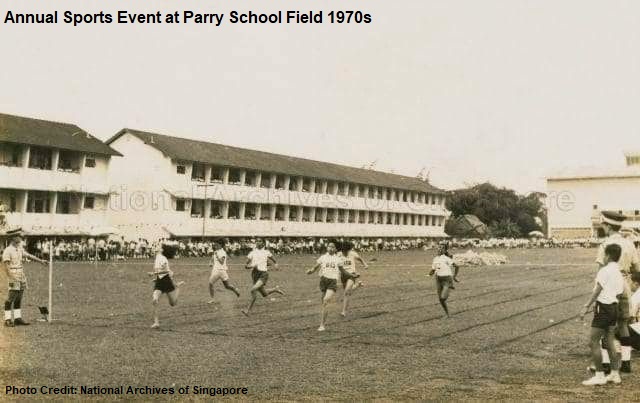
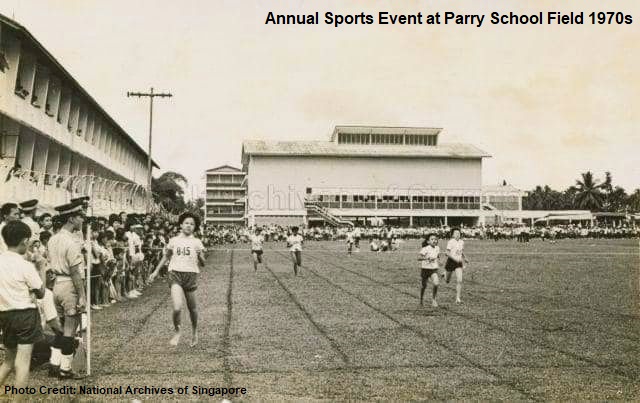
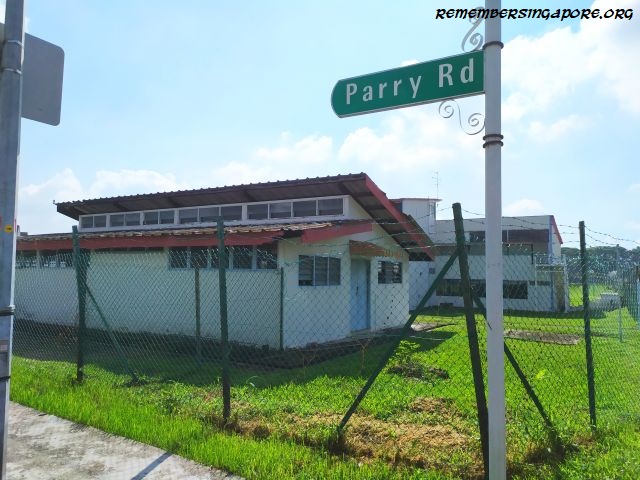
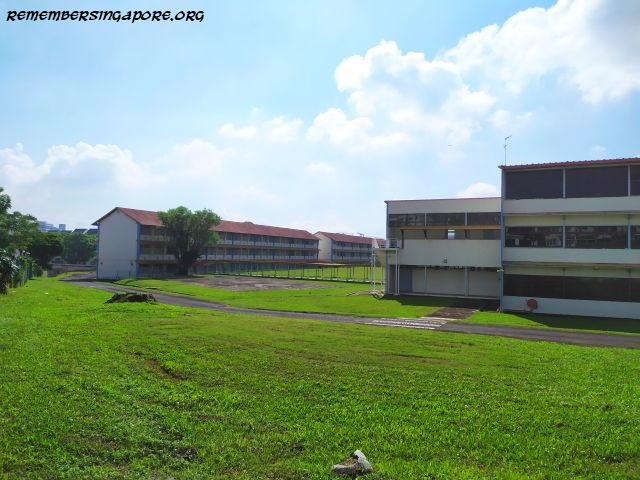
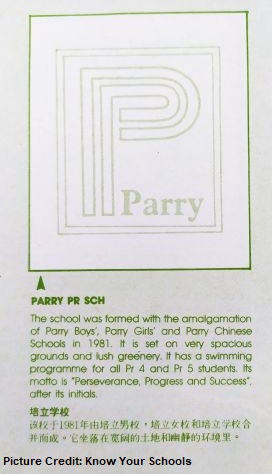
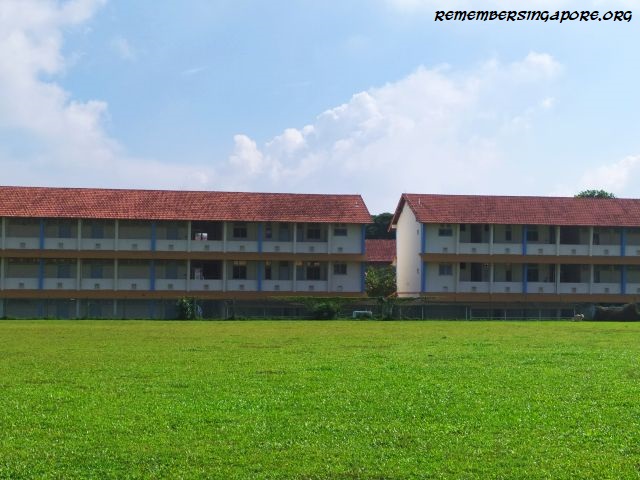
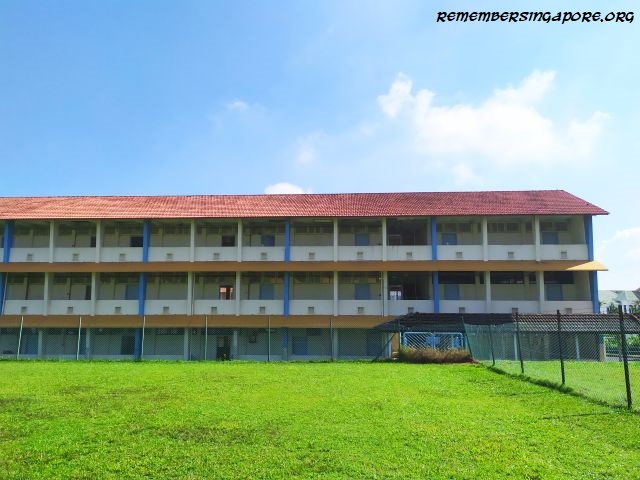
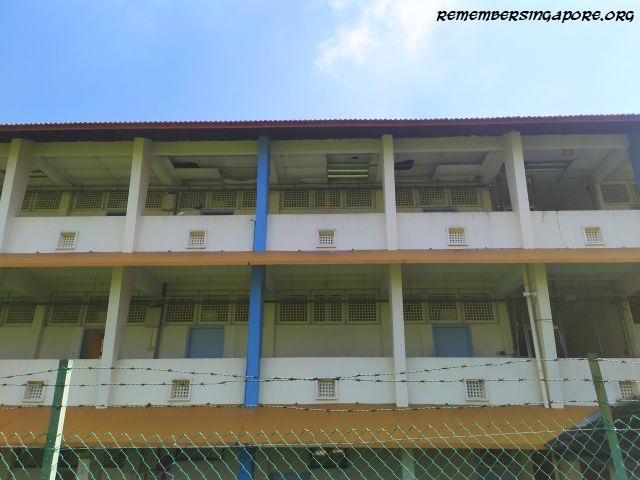
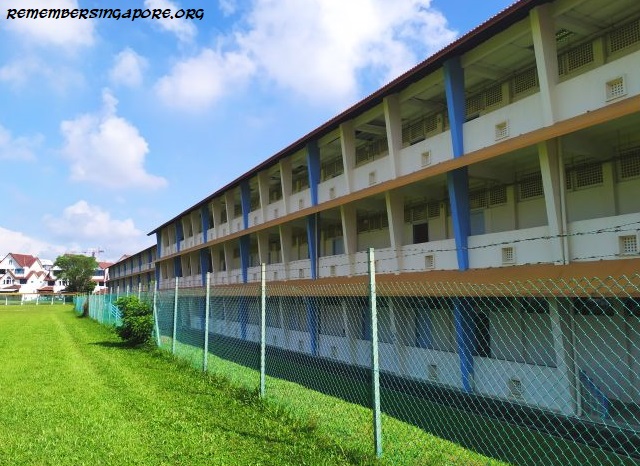
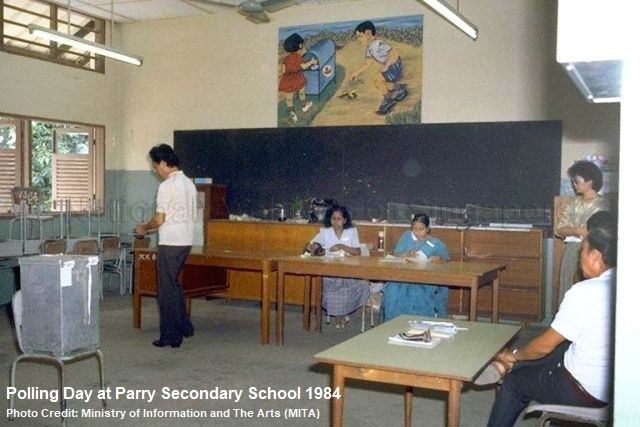
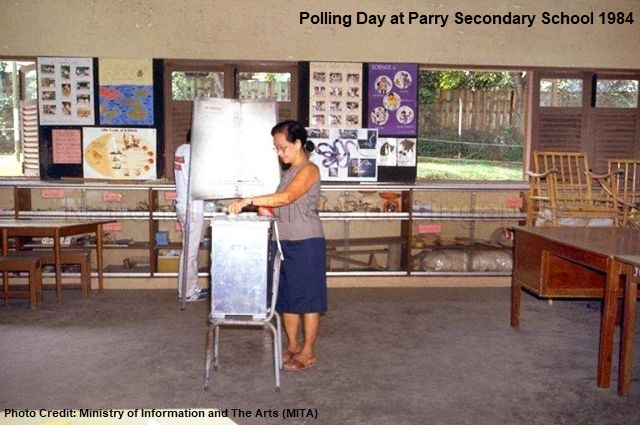
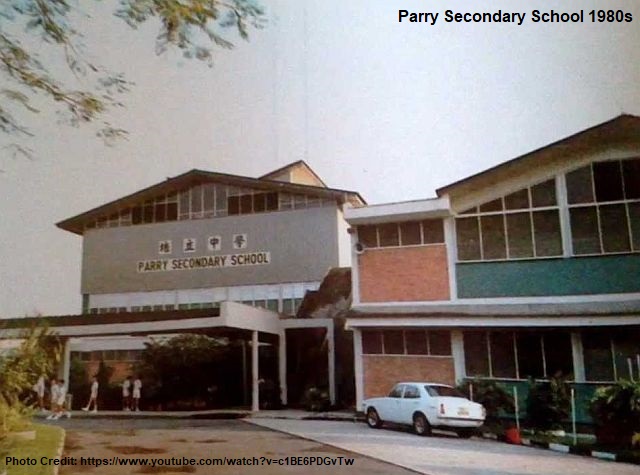
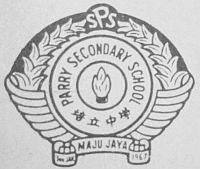 The fourth school at Parry Avenue was Parry Secondary School. It was established in 1967 (but was officially opened on 3 July 1968 by Sia Kah Hui, then-Parliamentary Secretary to the Labour Minister).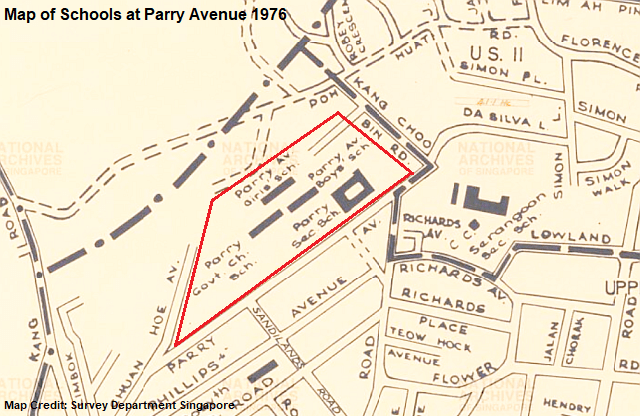

















 Remember Singapore